Mediterranean Diet for Heart Health
HealthyLivingAfter60 Editorial Team
Reviewed by the HealthyLivingAfter60 Editorial Team
Key Takeaways
- ✅ Not a 'Diet' but a Lifestyle: It focuses on whole, delicious foods rather than strict calorie counting or deprivation.
- ✅ Heart Protection: Consistently ranked as the #1 diet for heart health, it lowers the risk of heart attacks and strokes.
- ✅ Healthy Fats: Olive oil and nuts replace butter, providing essential omega-3s and monounsaturated fats.
- ✅ Plant-Forward: Vegetables, fruits, legumes, and whole grains make up the foundation of every meal.
- ✅ Brain and Joint Benefits: The anti-inflammatory nature of the diet also supports cognitive function and reduces arthritis symptoms.
If there were a single prescription for healthy aging, it would likely be the Mediterranean Diet. Year after year, medical experts and nutritionists rank it as the best overall diet, specifically for its profound benefits on cardiovascular health.
For adults over 60, adopting a Mediterranean style of eating is one of the most effective ways to lower blood pressure, improve cholesterol, and maintain a healthy weight. Best of all, it is incredibly flavorful and sustainable, focusing on what you can eat rather than what you can't.
The primary source of added fat, replacing butter and margarine.
Recommended frequency for eating fish and seafood.
Red wine is consumed in moderation, usually with meals.
Core Principles of the Mediterranean Diet
The Mediterranean diet isn't a rigid rulebook; it's a flexible set of guiding principles based on the traditional eating habits of countries bordering the Mediterranean Sea. The focus is on natural, unprocessed foods.
- Base every meal on vegetables, fruits, whole grains, beans, nuts, and seeds.
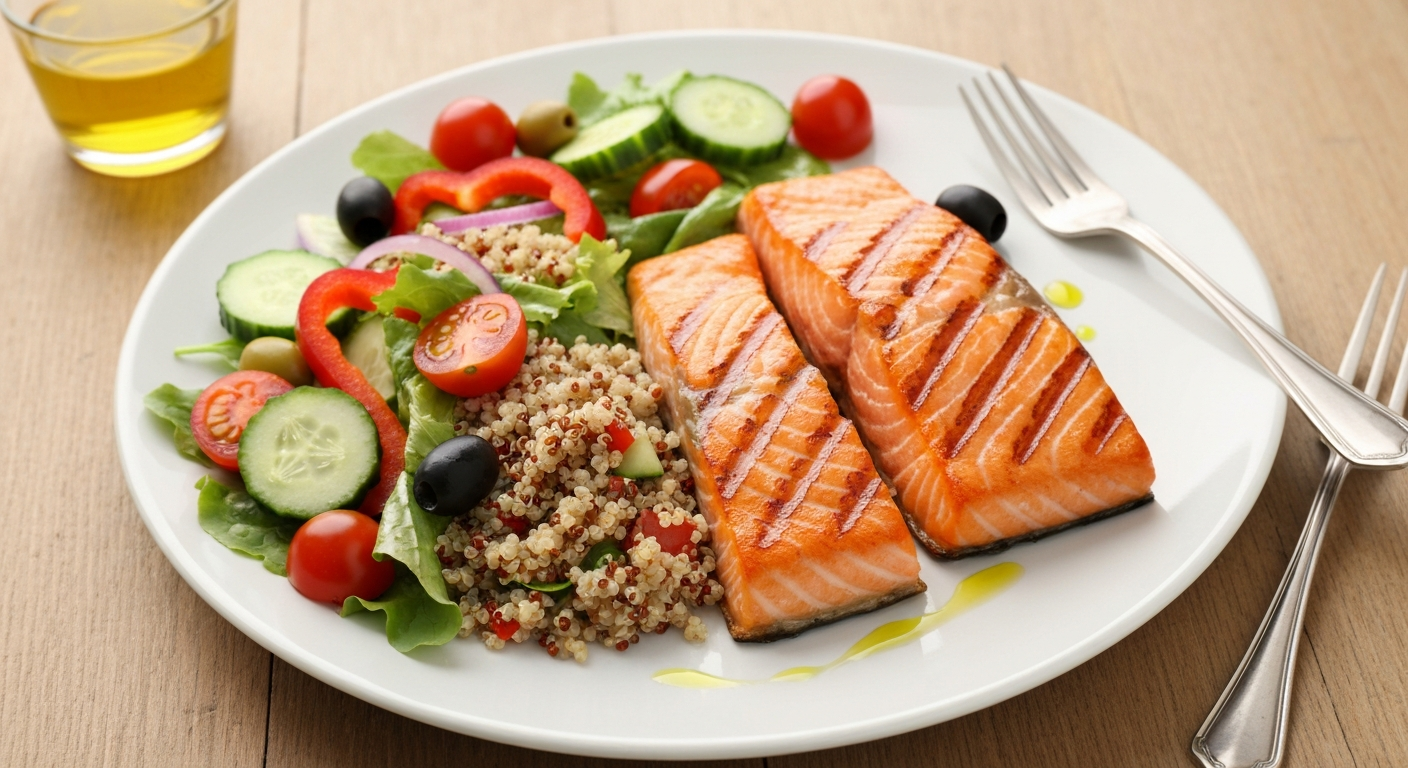
- Use olive oil as your primary cooking fat instead of butter or margarine.
- Eat fish and seafood at least twice a week.
- Consume poultry, eggs, and dairy (like cheese and yogurt) in moderate portions.
- Save red meat and sweets for special occasions.
Myth vs. Fact
Myth: The Mediterranean diet is expensive and requires hard-to-find ingredients.
Fact: While fresh fish and certain nuts can be pricey, the foundation of the diet—beans, lentils, whole grains, and seasonal or frozen vegetables—is often cheaper than processed foods and red meat.
How the Mediterranean Diet Protects the Heart
This eating pattern is incredibly effective at reducing cardiovascular risks for adults over 60. According to the American Heart Association, it can help prevent heart disease and stroke.
The diet's high concentration of antioxidants and anti-inflammatory foods directly protects the cardiovascular system:
- Lowers Cholesterol: Monounsaturated fats from olive oil and nuts help lower LDL (bad) cholesterol. Read more about foods that lower cholesterol.
- Reduces Blood Pressure: The high potassium and low sodium content naturally supports healthy blood pressure levels.
- Fights Inflammation: Fatty fish provide omega-3 fatty acids, which reduce triglycerides and decrease the risk of arrhythmias.
| Food Group | How Often | Examples |
|---|---|---|
| Vegetables, Fruits, Whole Grains | Every Meal | Spinach, tomatoes, oats, quinoa, apples, berries. |
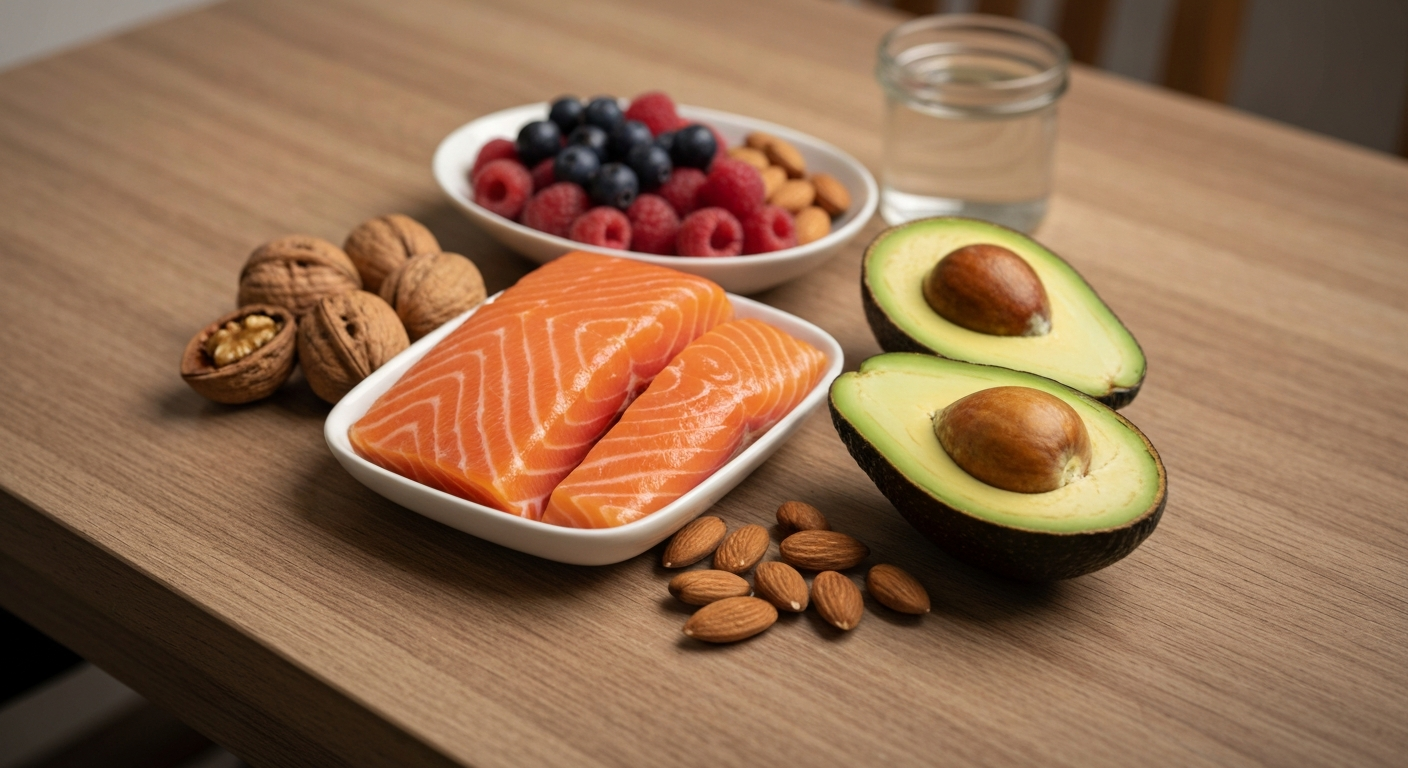
| Healthy Fats | Every Day | Extra virgin olive oil, walnuts, almonds, avocados. |
| Fish & Seafood | Twice a Week | Salmon, sardines, tuna, mackerel. |
| Poultry, Eggs, Dairy | Moderate Portions | Chicken breast, Greek yogurt, feta cheese. |
| Red Meat & Sweets | Rarely | Beef, pork, pastries, sugary drinks. |
Practical Tips to Get Started
You don't need to completely overhaul your kitchen overnight. Try making these simple, sustainable swaps:
- Swap your cooking fat: Use extra virgin olive oil instead of butter when sautéing vegetables or cooking eggs.
- Rethink your protein: Try replacing one red meat meal a week with a bean-based dish, like lentil soup or a chickpea salad.
- Snack smarter: Reach for a handful of unsalted almonds, walnuts, or an apple instead of chips or cookies.
- Eat more fish: Canned tuna or salmon is an easy, affordable way to increase your seafood intake.
- Switch to whole grains: Choose 100% whole wheat bread, brown rice, and whole-grain pasta over refined white versions.
Common Mistakes to Avoid
When adopting this lifestyle, older adults sometimes fall into a few common traps:
- Eating too many calories from nuts and oil: While healthy, olive oil and nuts are calorie-dense. Portion control is essential for weight management.
- Ignoring sodium levels: Canned beans and vegetables can be high in sodium. Always rinse canned beans and choose "no salt added" options to protect your blood pressure.
- Drinking too much wine: While moderate wine is part of the traditional diet, it is not required. If you don't drink, don't start.
When to Talk to Your Doctor
While the Mediterranean diet is safe and recommended by the National Institute on Aging for almost everyone, it's always wise to consult your healthcare provider or a registered dietitian:
- If you have chronic kidney disease and need to monitor your potassium, protein, or phosphorus intake.
- If you are taking blood thinners like Warfarin, as sudden increases in leafy greens (Vitamin K) can affect your medication.
- Before starting any new dietary supplements, such as fish oil capsules.
- If you have digestive issues that make increasing fiber difficult.
The Bottom Line
The Mediterranean diet is more than just food; it's a joyful, sustainable way of eating that celebrates fresh ingredients. By making small, consistent changes, you can dramatically improve your heart health and enjoy delicious meals in the process.
Frequently Asked Questions
Is the Mediterranean diet expensive?
It doesn't have to be. While fresh fish and certain nuts can be pricey, the foundation of the diet—beans, lentils, whole grains, and seasonal or frozen vegetables—is often cheaper than processed foods and red meat. Canned and frozen options are also highly nutritious and budget-friendly.
Do I have to drink wine on the Mediterranean diet?
No. While moderate wine consumption (one glass a day for women, two for men) is traditionally part of the diet, health experts do not recommend starting to drink alcohol if you don't already. You can get similar antioxidant benefits from grapes, berries, and a generally healthy diet.
Can the Mediterranean diet help with weight loss after 60?
Yes. Although it includes healthy fats, the diet is rich in fiber and protein, which keep you full longer. By replacing processed foods and sugary snacks with whole foods, many older adults naturally achieve a healthier weight.
What is the best breakfast on a Mediterranean diet?
A great breakfast could be a bowl of oatmeal topped with berries and walnuts, or plain Greek yogurt with a drizzle of honey and sliced almonds. Whole-grain toast with avocado and an egg is another excellent, heart-healthy option.
Is it okay to eat pasta on the Mediterranean diet?
Yes, but portion size and type matter. Choose 100% whole-wheat pasta and serve it as a side dish rather than the main course. Top it with plenty of vegetables, olive oil, and perhaps some lean protein like grilled chicken or beans.
How quickly will the Mediterranean diet lower my cholesterol?
Many people see improvements in their cholesterol and blood pressure within 3 to 6 weeks of strictly following the Mediterranean diet, especially when combined with regular physical activity like daily walking.
Sources & References
- American Heart Association. (2024). What is the Mediterranean Diet?
- National Institute on Aging. (2023). What Do We Know About Healthy Aging?
- Mayo Clinic. (2023). Mediterranean diet for heart health.
- Harvard T.H. Chan School of Public Health. (2023). Diet Review: Mediterranean Diet.
Further Reading
- Foods That Help Lower Cholesterol After Age 60
- How to Lower Blood Pressure Naturally
- 10 Foods That Support Heart Health
- Mediterranean Baked Eggs with Spinach and Feta
Table of Contents
Join Our Newsletter
Get weekly health tips delivered to your inbox.
HealthyLivingAfter60 Editorial Team
Our editorial team creates evidence-based educational content focused on healthy aging, nutrition, exercise, chronic disease prevention, and wellness for adults over 60. Content is reviewed for accuracy and supported by trusted medical sources.
Read our Editorial PolicyRelated Articles

How to Prevent Heart Disease After 60: 2026 Guide
4 min read