Foods That Help Lower Cholesterol After Age 60: Complete Guide (2026)
HealthyLivingAfter60 Editorial Team
Reviewed by the HealthyLivingAfter60 Editorial Team
Key Takeaways
- ✅ Cholesterol management becomes more critical after age 60 due to metabolic and hormonal changes.
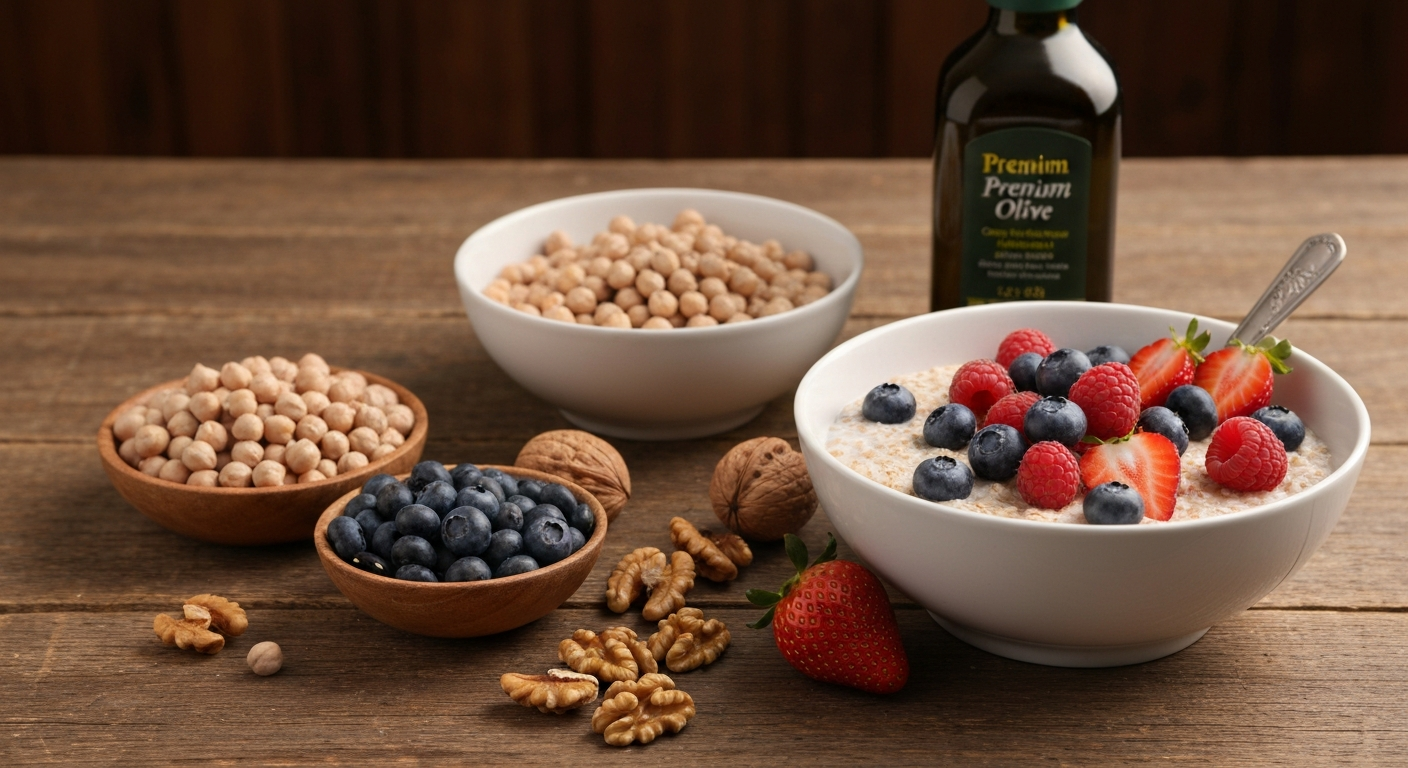
- ✅ Soluble fiber (found in oats, beans, and apples) binds to cholesterol and helps remove it from the body.
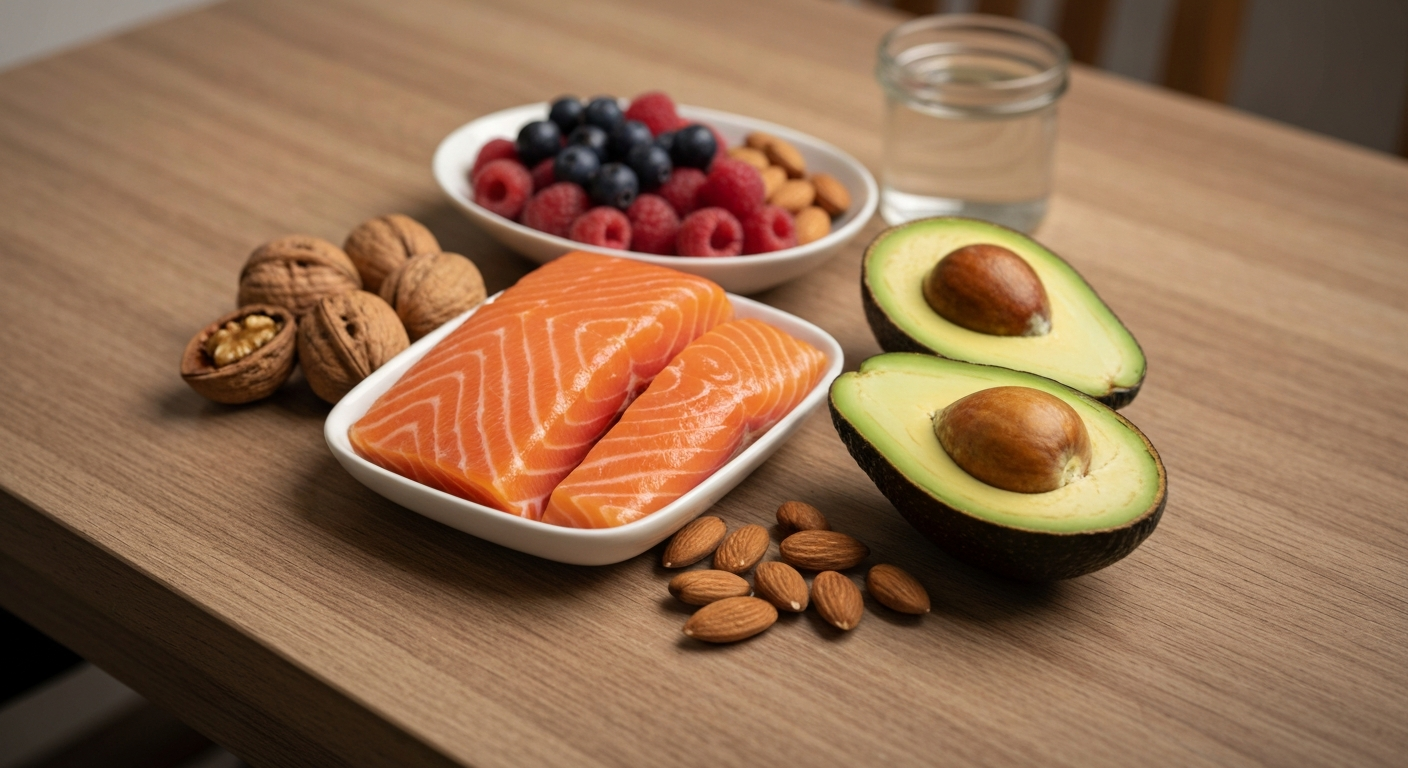
- ✅ Replacing saturated fats (butter, red meat) with unsaturated fats (olive oil, avocados) lowers LDL (bad) cholesterol.
- ✅ Omega-3 fatty acids in fish protect the heart and lower triglycerides.
- ✅ Dietary changes combined with regular exercise like walking can significantly improve your lipid profile.
Managing cholesterol is one of the most important steps you can take to protect your heart health as you age. After age 60, the risk of heart disease naturally increases, making it more critical than ever to maintain healthy cholesterol levels. The good news? You don't always need to rely solely on medication. A heart-healthy diet can have a profound impact on your cholesterol numbers and overall well-being.
In this comprehensive guide, we'll explore the top foods that help lower cholesterol naturally, explain the difference between "good" and "bad" cholesterol, and provide practical tips for making sustainable dietary changes that fit into your lifestyle.
Quick Answer
To lower cholesterol naturally after 60, focus on foods high in soluble fiber (like oats, beans, and apples), healthy fats (like olive oil and avocados), and omega-3s (like salmon). Limit saturated fats found in red meat and full-fat dairy, and avoid trans fats in processed foods.
Reduction in preventable heart disease with lifestyle changes
Daily soluble fiber can lower LDL significantly
Weekly brisk walking improves HDL levels
What Is Cholesterol?
Cholesterol is a waxy, fat-like substance found in all the cells in your body. Your body needs cholesterol to make hormones, vitamin D, and substances that help you digest foods. Your liver produces all the cholesterol you need, but you also get cholesterol from the foods you eat, particularly animal products.
When you have too much cholesterol in your blood, it can combine with other substances to form plaque. Plaque sticks to the walls of your arteries, a condition known as atherosclerosis. This narrowing can lead to coronary artery disease, increasing the risk of a heart attack or stroke.
Myth vs. Fact
Myth: You should avoid all fats to lower cholesterol.
Fact: Healthy fats, like those found in olive oil and avocados, can actually help improve your cholesterol profile by raising HDL and lowering LDL.
Why Cholesterol Changes After Age 60
As we age, our bodies undergo several changes that can affect cholesterol levels:
- Metabolism Slows Down: The liver becomes less efficient at removing LDL (bad) cholesterol from the blood.
- Hormonal Changes: For women, the drop in estrogen during and after menopause often leads to an increase in LDL cholesterol and a decrease in HDL (good) cholesterol.
- Lifestyle Shifts: Changes in physical activity levels or dietary habits can contribute to higher cholesterol.
| Cholesterol Type | Healthy Range for Adults Over 60 |
|---|---|
| Total Cholesterol | Less than 200 mg/dL |
| LDL (Bad) Cholesterol | Less than 100 mg/dL |
| HDL (Good) Cholesterol | 50+ mg/dL (Women) / 40+ mg/dL (Men) |
| Triglycerides | Less than 150 mg/dL |
LDL vs HDL Explained
When you get a lipid panel (cholesterol test), you'll see several numbers. Here's what they mean:
- LDL (Low-Density Lipoprotein): Often called "bad" cholesterol. High levels of LDL can lead to plaque buildup in your arteries.
- HDL (High-Density Lipoprotein): Known as "good" cholesterol. HDL carries cholesterol back to the liver, where it is flushed from the body.
- Triglycerides: Another type of fat in your blood. High triglycerides combined with high LDL or low HDL can further increase your risk of heart disease.
Top 25 Foods That Help Lower Cholesterol
Incorporating specific foods into your diet can actively help lower your cholesterol. Here are the top categories to focus on:
Foods High in Soluble Fiber
Soluble fiber binds to cholesterol in the digestive system and drags it out of the body before it gets into circulation.
- Oats and Oatmeal: A bowl of oatmeal for breakfast gives you 1 to 2 grams of soluble fiber.
- Barley: A great whole grain alternative to rice.
- Beans & Lentils: Kidney beans, chickpeas, and lentils are packed with heart-healthy fiber.
- Fruits: Apples, pears, and citrus fruits are rich in pectin, which lowers LDL.
Healthy Fats
- Olive Oil: Replace butter with extra virgin olive oil.
- Avocados: Rich in monounsaturated fats.
- Nuts: Walnuts and almonds are high in omega-3s and plant sterols.
Foods to Limit or Avoid
To effectively lower your cholesterol, it's equally important to reduce foods that raise it. Focus on reducing saturated and trans fats found in processed foods and certain animal products.
The Bottom Line
Managing cholesterol after 60 is a journey of small, consistent choices. By prioritizing soluble fiber, healthy fats, and regular movement, you can significantly protect your heart health and longevity.
Frequently Asked Questions
What foods lower cholesterol the fastest?
Foods high in soluble fiber, like oats and beans, along with plant sterols, work most rapidly to block cholesterol absorption.
Are eggs bad for cholesterol?
For most people, saturated fat has a bigger impact than dietary cholesterol. One egg a day is generally safe for healthy seniors.
How long does it take to see results?
With consistent changes, you can see improvements in your lipid panel in as little as 4 to 6 weeks.
Is walking enough?
Brisk walking for 30 minutes daily is excellent for raising HDL 'good' cholesterol and improving overall heart health.
Sources & References
- American Heart Association (AHA) Guidelines on Cholesterol Management
- National Institutes of Health (NIH) - Your Guide to Lowering Cholesterol With TLC
- National Institute on Aging - Heart Health for Older Adults
- CDC - Cholesterol Myths and Facts
Table of Contents
Join Our Newsletter
Get weekly health tips delivered to your inbox.
HealthyLivingAfter60 Editorial Team
Our editorial team creates evidence-based educational content focused on healthy aging, nutrition, exercise, chronic disease prevention, and wellness for adults over 60. Content is reviewed for accuracy and supported by trusted medical sources.
Read our Editorial PolicyRelated Articles

How to Prevent Heart Disease After 60: 2026 Guide
5 min read