10 Foods That Support Heart Health
HealthyLivingAfter60 Editorial Team
Reviewed by the HealthyLivingAfter60 Editorial Team
Key Takeaways
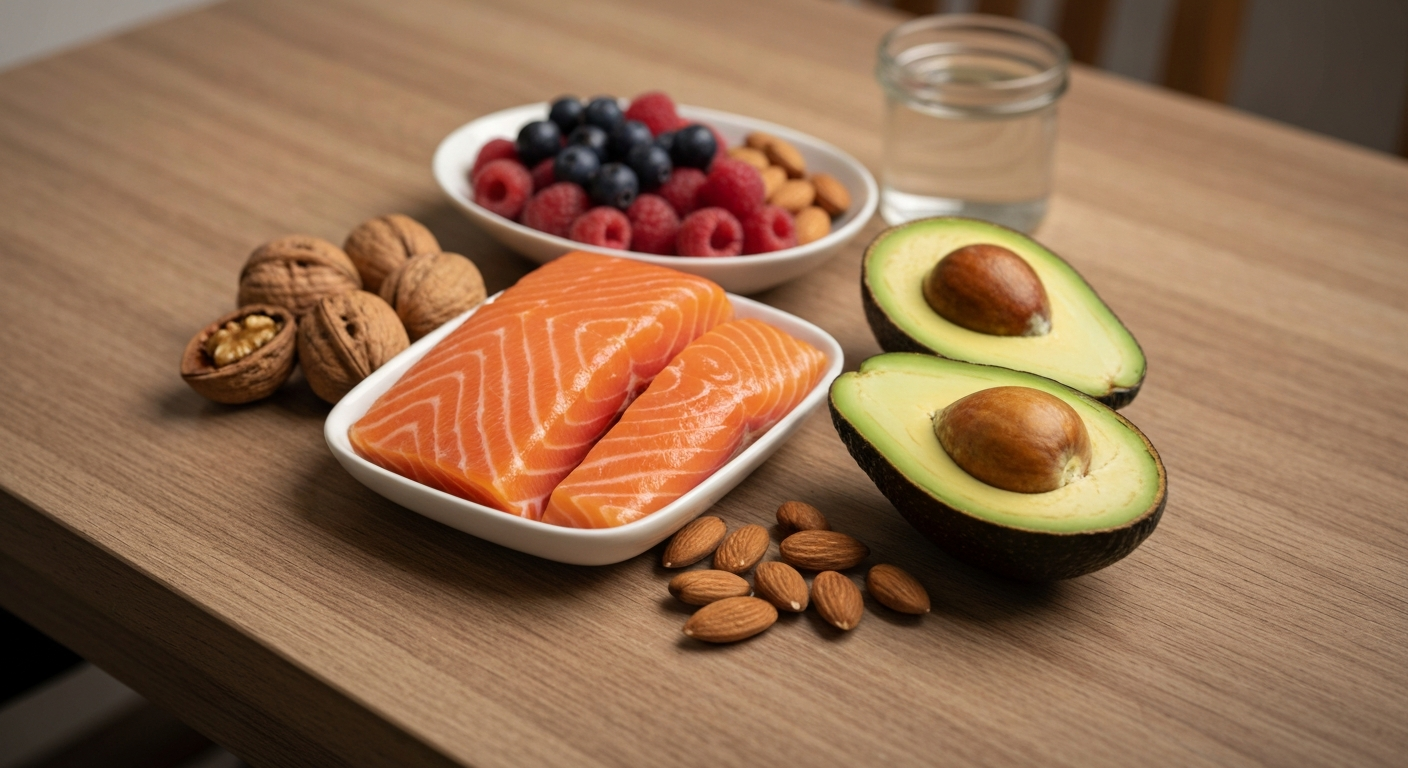
- ✅ Focus on Omega-3s: Fatty fish like salmon are crucial for reducing arterial inflammation and lowering triglycerides.
- ✅ Fiber is Your Friend: Soluble fiber from oats and beans actively helps remove LDL (bad) cholesterol from your body.
- ✅ Embrace Healthy Fats: Extra virgin olive oil and nuts provide monounsaturated fats that protect blood vessels.
- ✅ Color Equals Antioxidants: Berries and leafy greens are packed with compounds that prevent cellular damage to the heart.
What you put on your plate is one of the most powerful tools you have to protect your heart. For adults over 60, a diet rich in specific nutrients can help lower blood pressure, reduce inflammation, improve cholesterol levels, and keep arteries flexible.
This guide highlights 10 scientifically proven heart-healthy foods that you should incorporate into your weekly meals. We will explain exactly why these foods are beneficial and provide practical, delicious ways to add them to your diet to support cardiovascular longevity.
Recommended servings of fatty fish per week to significantly lower heart disease risk.
Daily soluble fiber needed to effectively lower LDL cholesterol levels.
Reduction in cardiovascular events associated with a Mediterranean diet rich in olive oil.
The Power of Dietary Prevention
Heart-healthy foods work through several mechanisms. Some, like oats and legumes, bind to cholesterol in the digestive tract, preventing it from entering the bloodstream. Others, like fatty fish and walnuts, provide omega-3 fatty acids that reduce systemic inflammation and prevent erratic heart rhythms.
Foods rich in potassium, such as leafy greens and avocados, help the body excrete excess sodium, thereby lowering blood pressure. By combining these foods, you create a synergistic effect that robustly defends your cardiovascular system.
Myth vs. Fact
Myth: Eggs are bad for your heart because they contain cholesterol.
Fact: For most people, dietary cholesterol has a minimal impact on blood cholesterol levels. Eating up to one whole egg per day is generally considered safe and healthy for adults over 60.
Expert Tip
From the Dietitian
Don't try to overhaul your entire diet overnight. Start by adding just one heart-healthy food to your routine each week. Swap your morning cereal for oatmeal, or use olive oil instead of butter for cooking.
| Heart-Healthy Food | Key Nutrient | Primary Cardiovascular Benefit |
|---|---|---|
| Salmon & Mackerel | Omega-3 Fatty Acids | Reduces inflammation and lowers triglycerides |
| Oatmeal | Soluble Fiber (Beta-glucan) | Lowers LDL (bad) cholesterol |
| Extra Virgin Olive Oil | Monounsaturated Fats & Polyphenols | Improves blood vessel function and reduces plaque |
| Walnuts & Almonds | Plant Sterols & Healthy Fats | Improves cholesterol profile and reduces oxidation |
| Berries (Blueberries, Strawberries) | Anthocyanins (Antioxidants) | Lowers blood pressure and prevents blood vessel damage |
| Spinach & Kale | Nitrates & Vitamin K | Promotes arterial flexibility and proper blood clotting |
Common Mistakes to Avoid
- Fearing All Fats: Avoiding healthy fats (like avocados and nuts) deprives your heart of essential protective nutrients.
- Relying on Supplements: Getting omega-3s and vitamins from whole foods is generally more effective than taking pills.
- Ignoring Portion Sizes: Even healthy foods like nuts and olive oil are calorie-dense and can lead to weight gain if overconsumed.
- Falling for 'Low-Fat' Labels: Many low-fat processed foods are packed with added sugars, which are detrimental to heart health.
- Overcooking Vegetables: Boiling vegetables too long can destroy water-soluble vitamins and antioxidants.
The Bottom Line
A heart-healthy diet isn't about deprivation; it's about abundance. By filling your plate with fatty fish, whole grains, nuts, olive oil, and colorful produce, you actively nourish and protect your cardiovascular system.
Frequently Asked Questions
Is dark chocolate actually good for my heart?
Yes, in moderation. Dark chocolate (at least 70% cocoa) contains flavonoids that can help lower blood pressure and improve blood flow. Limit it to 1-2 small squares a day.
Can I get enough omega-3s if I don't eat fish?
Yes, plant-based sources include flaxseeds, chia seeds, and walnuts. However, plant omega-3s (ALA) are not absorbed as efficiently as marine omega-3s (EPA/DHA), so an algae-based supplement might be beneficial.
Are canned beans as healthy as dried beans?
Yes, they provide the same fiber and protein. However, canned beans are often high in sodium. Always rinse them thoroughly or buy 'no salt added' varieties.
How much olive oil should I consume daily?
Aim for 1 to 2 tablespoons per day, using it to replace less healthy fats like butter or margarine in cooking and dressings.
Is coffee good or bad for heart health?
Moderate coffee consumption (1-3 cups a day) is generally safe and may even be protective for the heart, provided you don't load it with sugar and heavy cream.
What is the worst food for heart health?
Trans fats (partially hydrogenated oils) and high amounts of added sugars are among the most damaging foods for cardiovascular health, promoting inflammation and plaque buildup.
Sources & References
- American Heart Association. (2023). The American Heart Association Diet and Lifestyle Recommendations.
- Mayo Clinic. (2022). Heart-healthy diet: 8 steps to prevent heart disease.
- Cleveland Clinic. (2023). 15 Heart-Healthy Foods to Work into Your Diet.
Table of Contents
Join Our Newsletter
Get weekly health tips delivered to your inbox.
HealthyLivingAfter60 Editorial Team
Our editorial team creates evidence-based educational content focused on healthy aging, nutrition, exercise, chronic disease prevention, and wellness for adults over 60. Content is reviewed for accuracy and supported by trusted medical sources.
Read our Editorial PolicyRelated Articles

How to Prevent Heart Disease After 60: 2026 Guide
7 min read
7 Natural Ways to Lower Blood Pressure After 60 (2026 Guide)
6 min read