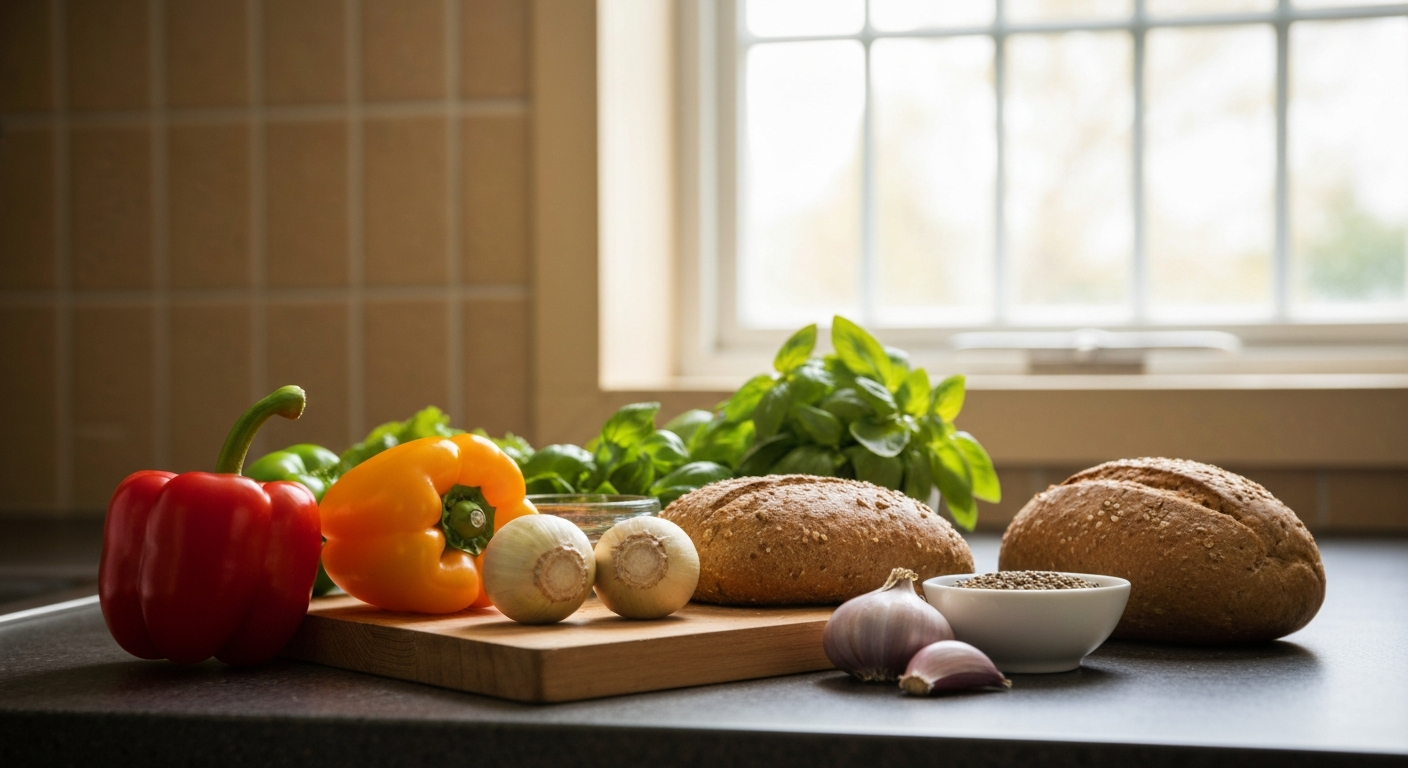
Portion Control Tips for Older Adults
HealthyLivingAfter60 Editorial Team
Reviewed by the HealthyLivingAfter60 Editorial Team
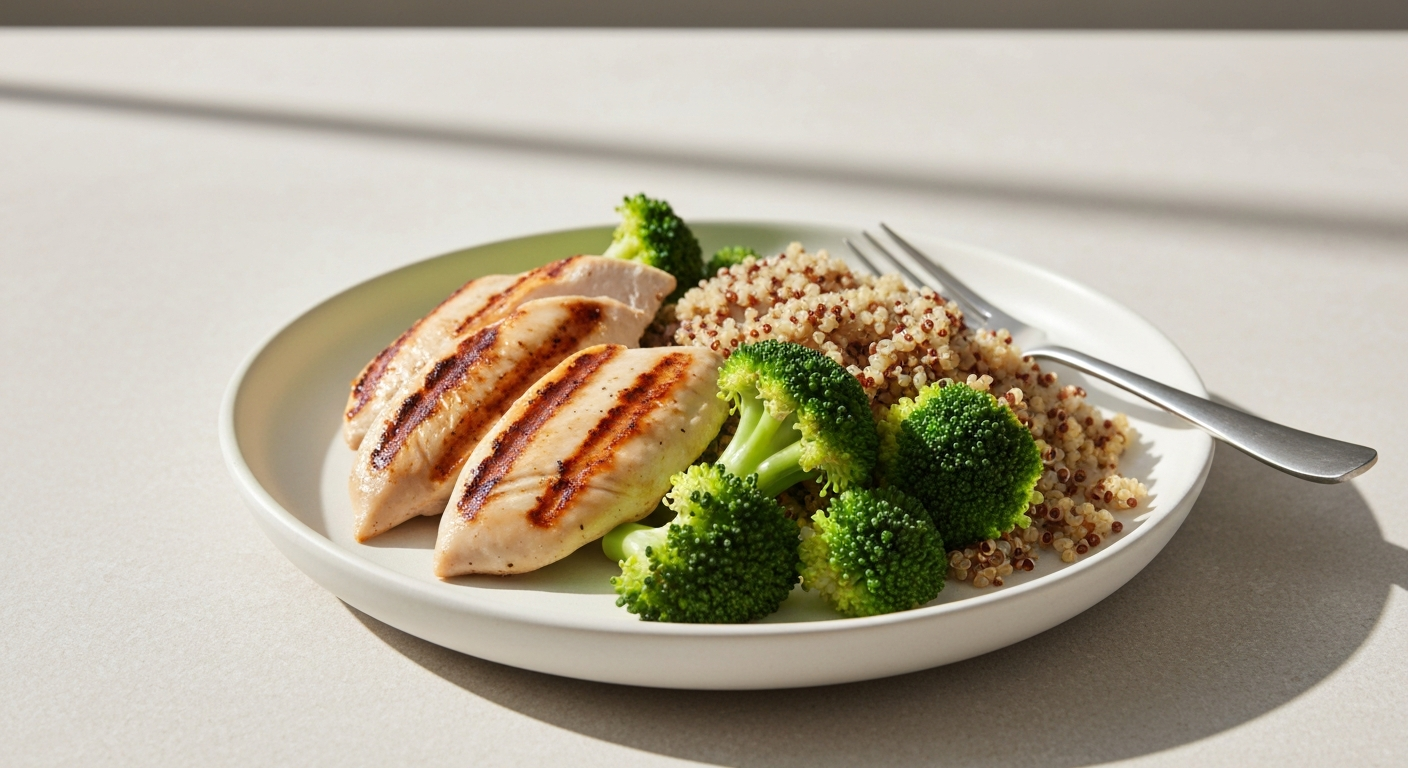
Key Takeaways
- ✅ Visual Cues Matter: Using smaller plates and visual references (like your hand) is more sustainable than weighing food.
- ✅ The Plate Method: Filling half your plate with vegetables naturally controls calorie intake.
- ✅ Mindful Eating: Slowing down allows your brain time to register fullness, preventing overeating.
- ✅ Quality Over Quantity: Nutrient-dense foods provide more satiety than empty calories.
As our metabolism slows and our daily calorie needs decrease after age 60, continuing to eat the same portion sizes we did in our 40s inevitably leads to weight gain. However, strict calorie counting can be tedious and stressful. The solution lies in mastering portion control.
This guide provides practical, visual strategies to help you right-size your meals, ensuring you get the nutrients you need without the excess calories, all while still feeling satisfied and enjoying your favorite foods.
Average reduction in calories consumed when using a smaller plate.
Time it takes for your stomach to tell your brain it is full.
Percentage of your plate that should be filled with non-starchy vegetables.
The Psychology of Portion Sizes
Over the past few decades, portion sizes in restaurants and packaged foods have drastically increased, distorting our perception of a 'normal' serving. We are often conditioned to 'clean our plates' regardless of how large the plate is. By changing our environment—using smaller dishware, serving food from the stove rather than family-style at the table, and repackaging bulk snacks into single servings—we can trick our brains into feeling satisfied with less food.
Myth vs. Fact
Myth: You have to weigh and measure everything to lose weight.
Fact: While measuring can be helpful initially to learn what a true serving looks like, using visual cues (like the Plate Method or your hand) is a much more practical and sustainable approach for long-term success.
Expert Tip
From the Dietitian
When eating out, ask the waiter for a to-go box right when your meal arrives. Immediately pack up half of the meal before you take your first bite. You'll save calories and have a delicious lunch ready for the next day.
| Food Group | Visual Cue (Hand Method) | Approximate Serving |
|---|---|---|
| Protein (Meat, Fish, Poultry) | Palm of your hand | 3-4 ounces |
| Carbohydrates (Pasta, Rice, Potatoes) | Cupped handful | 1/2 cup |
| Vegetables | Two cupped hands | 1 cup or more |
| Fats (Oils, Butter) | Tip of your thumb | 1 teaspoon |
| Cheese | Whole thumb | 1 ounce |
| Nuts/Seeds | Small handful | 1 ounce |
Common Mistakes to Avoid
- Eating Straight from the Bag: It is nearly impossible to gauge how much you have eaten when snacking directly from a large package.
- Drinking Your Calories: Juices, sodas, and alcohol provide many calories but very little satiety.
- Eating While Distracted: Eating in front of the TV prevents you from noticing your body's fullness signals.
- Ignoring Liquid Calories: Dressings, oils, and sauces can add hundreds of hidden calories to an otherwise healthy meal.
- Skipping Meals to 'Save' Calories: This usually backfires, leading to extreme hunger and overeating later in the day.
Understanding the Illusion of 'Healthy' Overeating
A common pitfall in weight management is the belief that if a food is 'healthy,' portion sizes don't matter. While foods like nuts, avocados, olive oil, and whole grains are incredibly nutritious, they are also highly calorically dense. Eating a large bowl of almonds or generously pouring olive oil over a salad can easily add hundreds of excess calories to your day. Mastering portion control means recognizing that even the healthiest foods must be consumed in moderation to maintain a calorie balance appropriate for your aging metabolism.
The 20-Minute Rule for Satiety
It takes approximately 20 minutes for the stretch receptors in your stomach to signal your brain that you are full. In our fast-paced culture, it is easy to consume a massive amount of food before this signal ever registers. To combat this, practice the 20-minute rule: eat slowly, chew your food thoroughly, and put your fork down between bites. If you finish your meal and still feel hungry, wait a full 20 minutes before going back for seconds. Often, you will find that the hunger dissipates as your brain catches up with your stomach.
Pre-Portioning Snacks for Success
Snacking directly from a large bag or box is a guaranteed way to lose track of how much you are eating. Research shows that people consume significantly more when eating from larger containers. To set yourself up for success, immediately divide bulk snacks into individual, single-serving containers or bags as soon as you bring them home from the grocery store. When you want a snack, take one pre-portioned container. This simple physical boundary forces you to be mindful of exactly how much you are consuming.
The Bottom Line
Portion control is not about deprivation; it is about recalibrating your habits. By using visual cues, eating mindfully, and prioritizing nutrient-dense foods, you can comfortably manage your weight without the stress of calorie counting.
Frequently Asked Questions
What is the Plate Method?
It's a visual guide where you fill half your plate with non-starchy vegetables, one-quarter with lean protein, and one-quarter with complex carbohydrates.
How can I control portions when eating at a restaurant?
Share an entrée with a friend, order an appetizer and a side salad instead of a main dish, or ask for a to-go box immediately.
I'm always hungry when I eat smaller portions. What should I do?
Increase your intake of fiber (vegetables, beans) and protein, and drink a glass of water before meals. These provide bulk and satiety without excess calories.
Does the size of my plate really matter?
Yes. The Delboeuf illusion shows that the same amount of food looks smaller on a large plate and larger on a small plate, heavily influencing how satisfied you feel.
How do I handle family gatherings where food is abundant?
Survey all the options before putting anything on your plate. Choose only your absolute favorites, take small portions, and step away from the food table to socialize.
Should I use portion control plates?
They can be a helpful training tool if you struggle with visual estimates, but simply using a standard 9-inch salad plate instead of a 12-inch dinner plate works just as well.
Is it better to eat three large meals or six small meals?
There is no one-size-fits-all answer. Some seniors prefer three distinct meals to avoid constant grazing, while others find smaller, more frequent meals easier to digest. The total daily caloric intake and nutritional quality matter most.
How can I control portions of pasta and rice?
Use a measuring cup to serve yourself exactly half a cup of cooked grains, and use a smaller bowl or plate. Fill the rest of the bowl with a large serving of vegetables and a lean protein to add bulk without excess calories.
What should I do if I'm still hungry after a portion-controlled meal?
First, drink a glass of water and wait 20 minutes. If you are genuinely still hungry, opt for a high-fiber, low-calorie snack like carrot sticks, cucumber slices, or a small apple.
Sources & References
- Centers for Disease Control and Prevention. (2023). Portion Size Pitfalls.
- National Institute of Diabetes and Digestive and Kidney Diseases. (2022). Just Enough for You: About Food Portions.
- Academy of Nutrition and Dietetics. (2023). Serving Size vs Portion Size Is There a Difference.
Further Reading
Table of Contents
Join Our Newsletter
Get weekly health tips delivered to your inbox.
HealthyLivingAfter60 Editorial Team
Our editorial team creates evidence-based educational content focused on healthy aging, nutrition, exercise, chronic disease prevention, and wellness for adults over 60. Content is reviewed for accuracy and supported by trusted medical sources.
Read our Editorial PolicyRelated Articles
Why Weight Loss is Different After 60
8 min read
How to Lose Weight Without Losing Muscle
5 min read