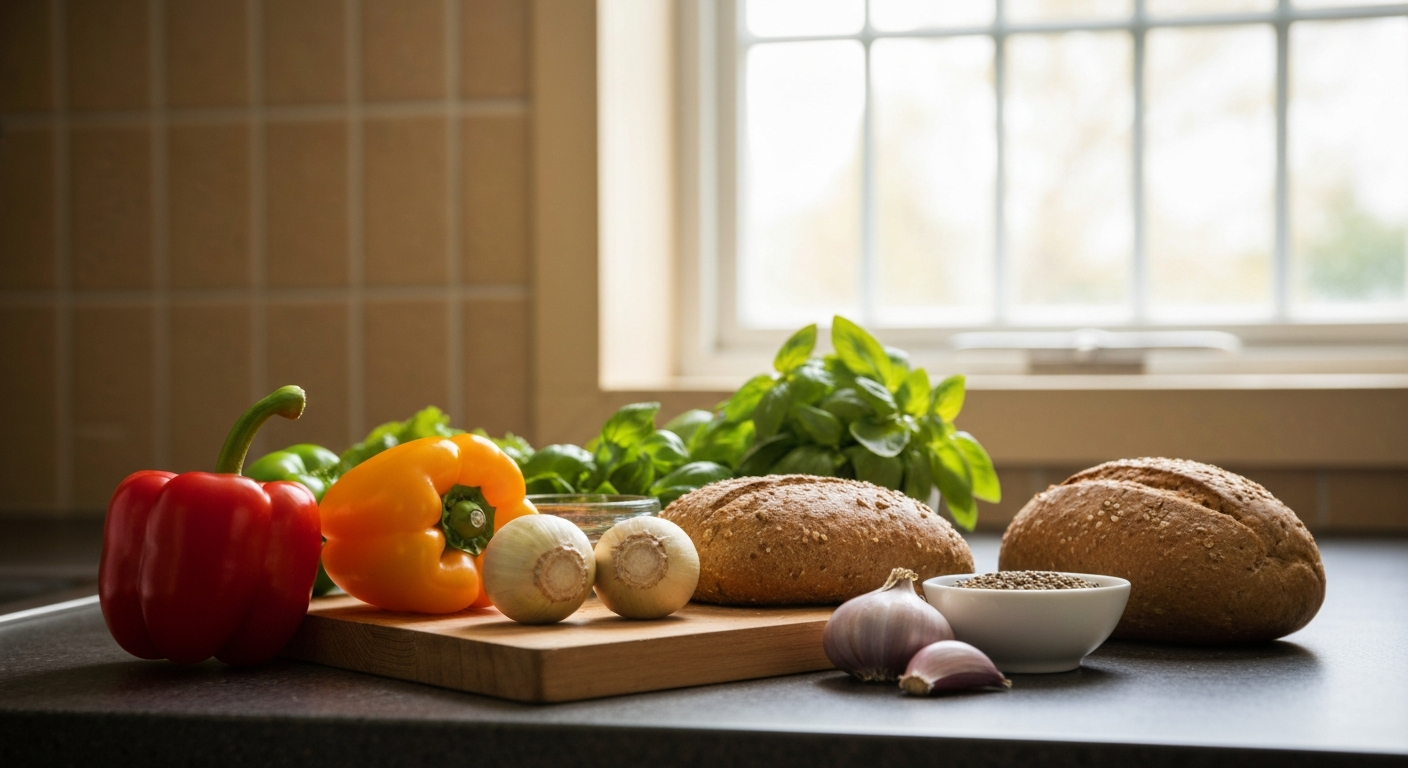
The Best Diet Plans for Seniors
HealthyLivingAfter60 Editorial Team
Reviewed by the HealthyLivingAfter60 Editorial Team
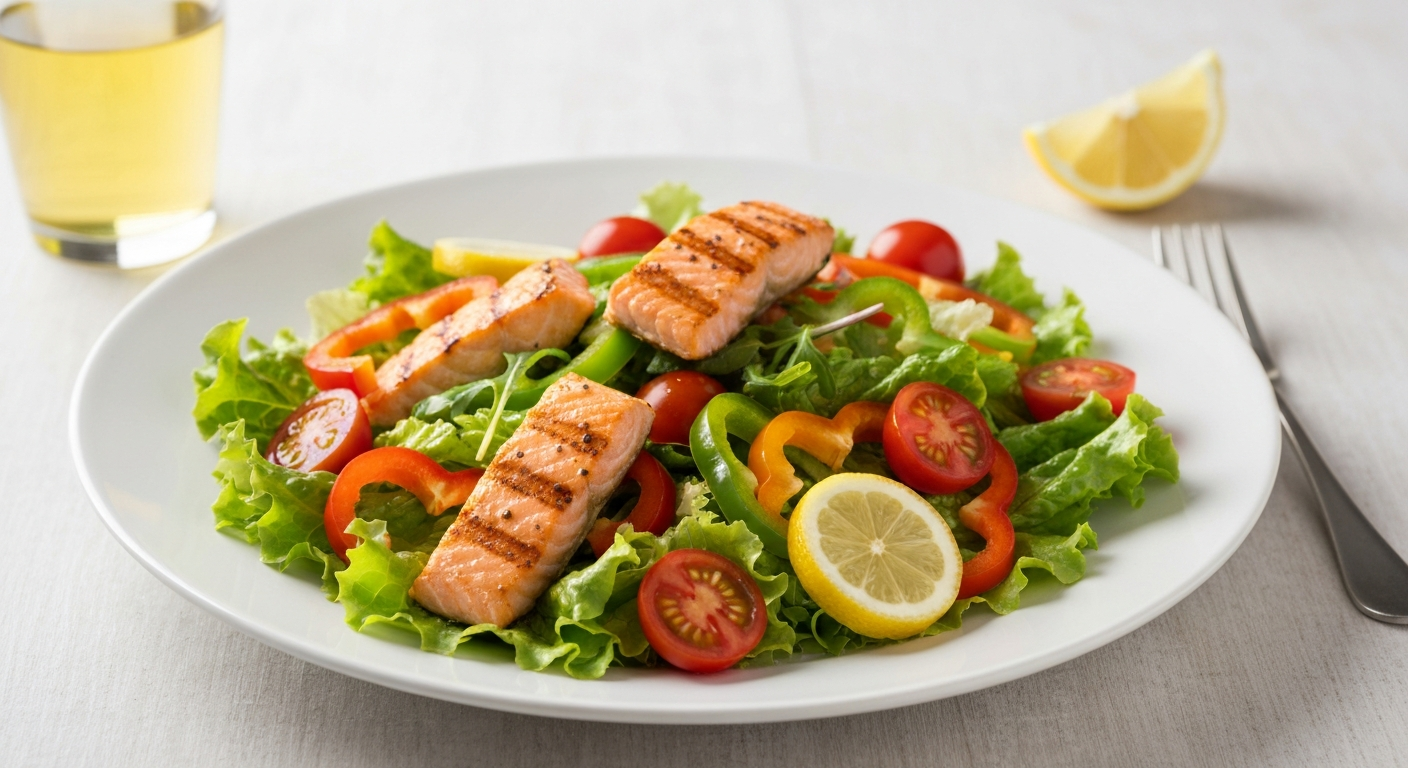
Key Takeaways
- ✅ Mediterranean Diet is Top Ranked: Consistently proven to support heart and brain health while promoting a healthy weight.
- ✅ DASH Diet for Blood Pressure: Specifically designed to combat hypertension, a common issue for adults over 60.
- ✅ MIND Diet for Cognition: A hybrid approach focused on foods that protect against cognitive decline.
- ✅ Flexibility is Key: The best plan is one you can stick to long-term without feeling deprived.
With countless diets dominating the headlines—from Keto and Paleo to Vegan and Carnivore—it can be overwhelming to know which approach is actually safe and effective for adults over 60. The truth is, the 'best' diet for a senior is rarely a restrictive fad; it is a sustainable eating pattern that supports heart health, preserves muscle, and manages blood sugar.
This guide evaluates the most scientifically backed dietary patterns for older adults, helping you choose an approach that fits your lifestyle, medical needs, and personal preferences without sacrificing the joy of eating.
Ranking of the Mediterranean Diet for overall health by U.S. News & World Report.
Potential reduction in Alzheimer's risk for strict followers of the MIND diet.
Average drop in systolic blood pressure on the DASH diet.
Evaluating Dietary Patterns
When evaluating a diet after 60, you must consider nutritional adequacy. Restrictive diets (like strict Keto) may result in quick weight loss but can lack essential fiber, vitamins, and minerals needed for aging bodies, while potentially increasing cardiovascular risk due to high saturated fat intake. The most successful approaches—Mediterranean, DASH, and MIND—share common principles: high intake of vegetables, whole grains, and healthy fats, with moderate lean protein and low amounts of processed foods and added sugars.
Myth vs. Fact
Myth: Older adults need a bland diet to avoid digestive issues.
Fact: Unless specifically prescribed by a doctor for a condition like an ulcer, older adults benefit from a wide variety of herbs, spices, and fibrous foods, which enhance flavor and support a healthy gut microbiome.
Expert Tip
From the Dietitian
Don't view these as rigid 'diets' you are either on or off. View them as dietary frameworks. If you follow the Mediterranean principles 80% of the time, you will reap the vast majority of the health benefits while still enjoying occasional treats.
| Diet Plan | Primary Focus | Pros for Seniors | Considerations |
|---|---|---|---|
| Mediterranean | Heart health, longevity | Rich in healthy fats, easy to sustain, social | Requires cooking with fresh ingredients |
| DASH | Lowering blood pressure | Clinically proven, high in potassium/calcium | Requires strict sodium monitoring |
| MIND | Brain health, preventing dementia | Specifically targets cognitive decline | Requires tracking specific food servings (e.g., berries) |
| Flexitarian | Plant-based with occasional meat | High fiber, flexible, environmentally friendly | Must ensure adequate protein and B12 intake |
| Low-Carb (Moderate) | Blood sugar control | Helps manage type 2 diabetes and weight | Can be low in fiber if not planned carefully |
Common Mistakes to Avoid
- Following Extreme Fads: Diets that eliminate entire macronutrient groups (like all carbs) are difficult to sustain and can cause nutritional deficiencies.
- Ignoring Hydration: Many diets focus only on food, but older adults have a diminished thirst response and must consciously drink water.
- Overlooking Protein: Even on plant-heavy diets, seniors must ensure they get enough protein to prevent muscle loss.
- Not Adapting for Medications: Certain diets (like very high Vitamin K intake) can interfere with medications like blood thinners.
- Forgetting Enjoyment: Food is social and cultural. A diet that isolates you from family meals is not sustainable.
Adapting Diets for Dental and Digestive Changes
Even the healthiest diet plan must be adapted if you have difficulty chewing, swallowing, or digesting certain foods. As we age, changes in dentition or a decrease in stomach acid can make it challenging to consume raw vegetables, tough meats, or certain whole grains. The Mediterranean or DASH diets can be easily modified by cooking vegetables until soft, blending fruits into smoothies, and choosing softer proteins like flaky fish, eggs, and Greek yogurt. Prioritizing foods that are easy to eat ensures you continue to receive essential nutrients without discomfort.
The Hidden Danger of Ultra-Processed Foods
While many diets focus on what to include, it is equally important to recognize what to exclude. Ultra-processed foods—such as packaged snacks, sugary cereals, and frozen dinners—are engineered to be hyper-palatable, making it easy to overeat. They are typically stripped of fiber and loaded with sodium, added sugars, and unhealthy fats. For seniors, these foods contribute to inflammation, high blood pressure, and cognitive decline. Shifting your focus to whole, single-ingredient foods is the most impactful dietary change you can make, regardless of the specific 'diet' you follow.
The Importance of Social Eating and Mental Health
Food is deeply intertwined with culture, memory, and social connection. A diet that is so restrictive that it prevents you from enjoying meals with family and friends is not sustainable and can lead to isolation and depression. The Mediterranean diet places a strong emphasis on the joy of shared meals. Eating with others has been shown to improve appetite, encourage healthier food choices, and provide a sense of belonging, which is just as vital for healthy aging as the nutrients on your plate.
The Bottom Line
The most effective diet for seniors is not a temporary fix, but a sustainable lifestyle change. The Mediterranean, DASH, and MIND diets offer the best balance of safety, efficacy, and nutritional completeness for adults over 60.
Frequently Asked Questions
Is the Keto diet safe for someone over 60?
It can be, but it carries risks. It is often high in saturated fat and low in fiber, which can negatively impact heart health and digestion. It should only be done under medical supervision.
What if I have multiple health conditions?
If you have complex conditions (e.g., diabetes AND kidney disease), you should consult a Registered Dietitian to create a customized plan, as standard diets may conflict with your needs.
Are meal delivery services a good option?
Yes, many services now offer Mediterranean or heart-healthy options, which can be incredibly helpful for seniors who have difficulty shopping or cooking.
How do I transition to a new diet?
Start slowly. Swap refined grains for whole grains one week, then focus on adding an extra serving of vegetables the next week.
Do I need to track calories on these diets?
Not necessarily. The Mediterranean and DASH diets focus on food quality and portion control rather than strict calorie counting.
Is intermittent fasting considered a diet?
Fasting is an eating pattern (when you eat), not a diet (what you eat). It can be combined with any of the diets listed above.
Is the Paleo diet good for older adults?
The Paleo diet eliminates dairy, grains, and legumes, which are excellent sources of calcium, fiber, and B vitamins for seniors. It is generally too restrictive for most older adults to follow safely long-term.
Can I follow a vegetarian diet after 60?
Yes, a well-planned vegetarian diet is very healthy. However, you must pay close attention to getting enough protein, vitamin B12, iron, and calcium, potentially requiring supplementation.
What should I eat if I have no appetite?
Focus on nutrient-dense, high-calorie foods in small portions. Smoothies with protein powder, nut butters, avocados, and full-fat dairy can provide necessary calories and nutrients without requiring large meals.
Sources & References
- U.S. News & World Report. (2024). Best Diets Overall.
- National Institute on Aging. (2023). Healthy Eating As You Age.
- American Heart Association. (2023). The DASH Eating Plan.
Further Reading
- Mediterranean Diet for Heart Health
- Foods That Help Lower Cholesterol After Age 60
- Portion Control Tips for Older Adults
Table of Contents
Join Our Newsletter
Get weekly health tips delivered to your inbox.
HealthyLivingAfter60 Editorial Team
Our editorial team creates evidence-based educational content focused on healthy aging, nutrition, exercise, chronic disease prevention, and wellness for adults over 60. Content is reviewed for accuracy and supported by trusted medical sources.
Read our Editorial PolicyRelated Articles
Why Weight Loss is Different After 60
4 min read
How to Lose Weight Without Losing Muscle
5 min read