The Role of Protein in Weight Management
HealthyLivingAfter60 Editorial Team
Reviewed by the HealthyLivingAfter60 Editorial Team
Key Takeaways
- ✅ High Satiety: Protein is the most filling macronutrient, naturally reducing overall calorie intake.
- ✅ Metabolic Boost: Your body burns more calories digesting protein than it does digesting fats or carbohydrates.
- ✅ Muscle Protection: Adequate protein prevents the loss of muscle mass during weight loss, preserving your metabolic rate.
- ✅ Blood Sugar Control: Pairing protein with carbohydrates slows digestion, preventing insulin spikes that lead to fat storage.
When it comes to healthy weight management after 60, protein is arguably the most important macronutrient on your plate. It does far more than just build muscle; it actively influences your metabolism, controls your appetite, and determines whether the weight you lose is fat or vital lean tissue.
This guide explores the science behind why protein is your best ally in maintaining a healthy weight, how much you actually need, and practical ways to incorporate high-quality protein into every meal.
Percentage of protein calories burned simply through digestion (Thermic Effect of Food).
Optimal amount of protein per meal to maximize muscle synthesis and satiety.
Potential reduction in late-night snacking cravings when eating a high-protein breakfast.
How Protein Influences Weight Loss
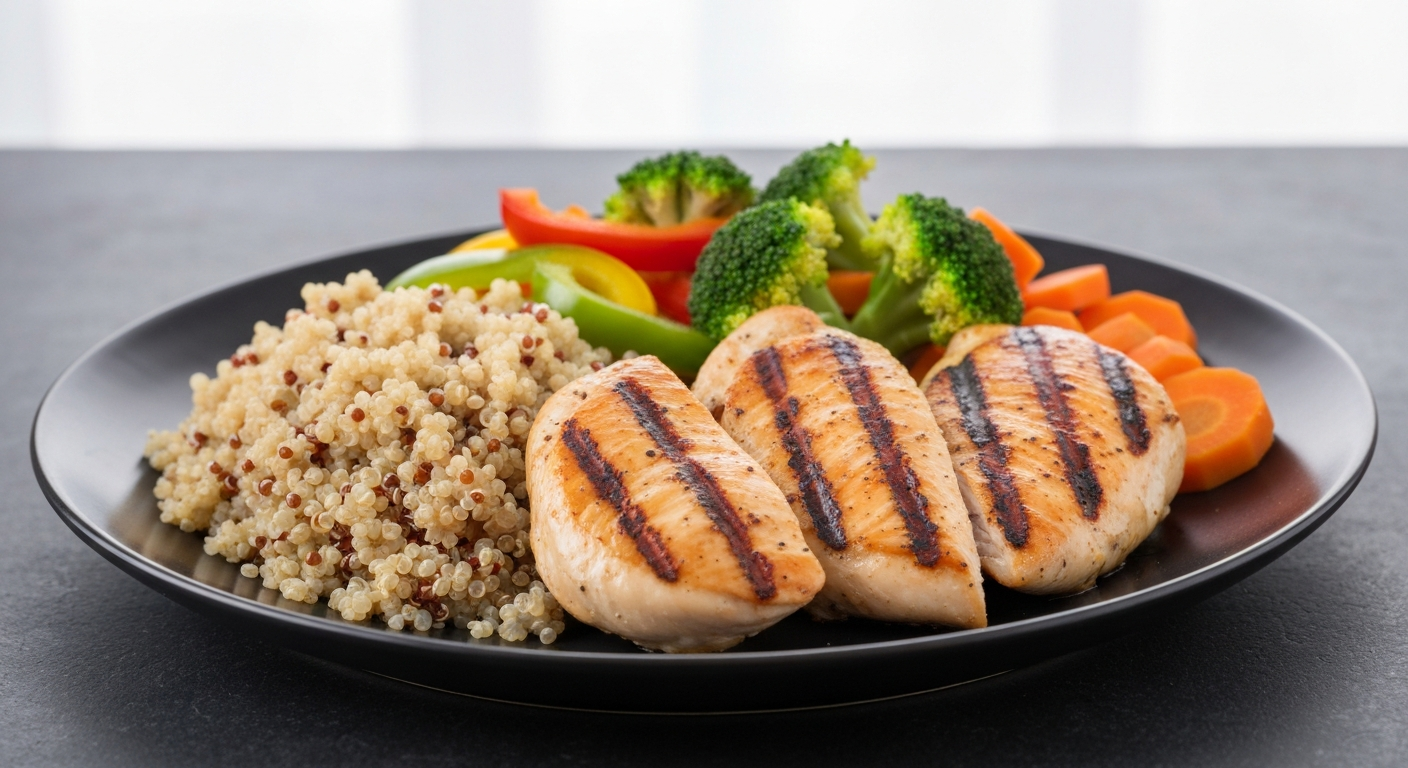
Protein operates on multiple fronts to support weight management. First, it increases the production of hormones like PYY and GLP-1, which signal fullness to the brain, while reducing levels of ghrelin, the hunger hormone. Second, due to its high Thermic Effect of Food (TEF), you burn significantly more calories digesting a chicken breast than you do digesting a bowl of pasta. Finally, and most importantly for seniors, protein provides the building blocks (amino acids) necessary to preserve muscle mass while in a calorie deficit, ensuring that weight loss comes from fat stores.
Myth vs. Fact
Myth: Eating too much protein will automatically make me gain weight.
Fact: While eating a massive surplus of any calorie source will lead to weight gain, protein is the hardest macronutrient for the body to store as fat due to its high thermic effect and complex digestion process.
Expert Tip
From the Dietitian
If you find yourself constantly hungry between meals, look at your breakfast. A breakfast of toast and jam sets you up for an all-day blood sugar rollercoaster. Swap it for eggs, Greek yogurt, or a protein smoothie, and watch your mid-morning cravings disappear.
| Benefit of Protein | Mechanism | Impact on Weight Management |
|---|---|---|
| Increased Satiety | Alters hunger hormones (Ghrelin, PYY) | Reduces overall daily calorie intake naturally |
| Higher Thermic Effect | Requires more energy to digest | Increases daily calorie expenditure |
| Muscle Preservation | Provides essential amino acids | Maintains Basal Metabolic Rate (BMR) |
| Blood Sugar Stability | Slows gastric emptying | Prevents insulin spikes and subsequent fat storage |
Common Mistakes to Avoid
- Ignoring Plant Proteins: Relying solely on meat can increase saturated fat intake. Beans, lentils, and tofu offer protein along with beneficial fiber.
- Skimping at Breakfast: Most seniors eat the majority of their protein at dinner, missing out on the appetite-control benefits earlier in the day.
- Relying on Processed Protein Bars: Many commercial protein bars are essentially candy bars with added protein, loaded with sugar and artificial ingredients.
- Not Adjusting for Activity: If you begin a new resistance training program, your protein needs will increase.
- Fearing Dietary Fat: Lean proteins are great, but healthy fats (like those in salmon or eggs) are also necessary for hormone production and nutrient absorption.
Navigating Protein Quality and Bioavailability
Not all protein sources are utilized by the body with the same efficiency. 'Bioavailability' refers to how easily your body can digest, absorb, and use the amino acids from a food. Animal proteins—such as eggs, dairy, fish, and poultry—are highly bioavailable and contain all essential amino acids in the right proportions. While plant proteins (like beans, lentils, and nuts) are excellent for fiber and heart health, they are often less bioavailable and may lack certain amino acids. For seniors relying heavily on plant-based diets, consuming a wide variety of plant proteins throughout the day, or adding a high-quality protein powder, is essential to meet muscle-building needs.
Protein's Role in Bone Health
While calcium and vitamin D get most of the attention, protein makes up roughly 50% of the volume of your bones and one-third of their mass. Adequate protein intake is vital for maintaining bone density and preventing osteoporosis, especially during weight loss, which can naturally cause slight decreases in bone mass. A diet high in protein, combined with weight-bearing exercise, provides a dual layer of protection, keeping both your muscles and the bones they attach to strong and resilient against fractures.
Overcoming Appetite Loss to Meet Protein Goals
A common challenge for adults over 60 is a natural decrease in appetite, making it difficult to consume large portions of meat or heavy meals. To hit your protein targets without feeling uncomfortably full, focus on incorporating protein-dense foods into smaller snacks and liquids. Greek yogurt, cottage cheese, hard-boiled eggs, and protein smoothies are excellent options that are easy to digest and highly nutritious. Adding a scoop of unflavored whey or collagen protein to soups, oatmeal, or coffee is another simple strategy to boost intake without increasing meal volume.
The Bottom Line
Protein is the foundation of successful weight management after 60. By ensuring adequate, evenly distributed protein intake throughout the day, you can control your appetite, boost your metabolism, and protect your vital muscle mass.
Frequently Asked Questions
How much protein do I actually need to lose weight safely?
While the RDA is 0.8g/kg, experts recommend older adults aiming for weight loss consume between 1.2 and 1.5 grams of protein per kilogram of body weight to preserve muscle.
Can I get enough protein on a vegetarian diet?
Yes, but it requires careful planning. Combining sources like legumes, quinoa, tofu, nuts, and dairy (if consumed) ensures you get all essential amino acids.
Is whey protein powder good for weight loss?
It can be a very helpful, low-calorie tool to hit your protein goals, especially if you struggle with appetite or need a quick option after exercise.
Does eating protein before bed help with weight loss?
A small, high-protein snack (like cottage cheese) before bed can support overnight muscle repair, but overall daily intake matters most.
Are high-protein diets safe for my kidneys?
For individuals with healthy kidneys, high-protein diets are safe. However, if you have diagnosed kidney disease, you must follow your doctor's specific protein guidelines.
What is the best type of protein for seniors?
A mix of high-bioavailability animal proteins (eggs, fish, poultry) and high-fiber plant proteins (beans, lentils) offers the best nutritional profile.
How do I know if I'm not getting enough protein?
Signs of inadequate protein include muscle weakness, frequent illness, slow healing of cuts or bruises, thinning hair, and feeling constantly hungry or fatigued.
Can too much protein cause gout?
Gout is triggered by foods high in purines, not just protein in general. While red meat and certain seafood are high in purines, dairy proteins, eggs, and plant-based proteins are low in purines and safe for those prone to gout.
Is collagen protein good for weight loss and muscle?
Collagen is excellent for joint, skin, and bone health, but it is not a complete protein (it lacks the amino acid tryptophan) and is low in leucine. It should not be your primary protein source for preserving muscle mass.
Sources & References
- American Journal of Clinical Nutrition. (2021). The role of protein in weight loss and maintenance.
- National Institutes of Health. (2022). Dietary Protein and Muscle Mass in Older Adults.
- Mayo Clinic. (2023). Weight loss: Choosing a diet that's right for you.
Further Reading
- How to Avoid Sarcopenia While Losing Weight
- Protein Powders for Seniors
- Best Exercises After 60 for Overall Health
Table of Contents
Join Our Newsletter
Get weekly health tips delivered to your inbox.
HealthyLivingAfter60 Editorial Team
Our editorial team creates evidence-based educational content focused on healthy aging, nutrition, exercise, chronic disease prevention, and wellness for adults over 60. Content is reviewed for accuracy and supported by trusted medical sources.
Read our Editorial PolicyRelated Articles
Why Weight Loss is Different After 60
5 min read
How to Lose Weight Without Losing Muscle
6 min read