Best Exercises After 60 for Overall Health
HealthyLivingAfter60 Editorial Team
Reviewed by the HealthyLivingAfter60 Editorial Team
Key Takeaways
- ✅ Mix It Up: The best routine includes aerobic, strength, balance, and flexibility exercises.
- ✅ Start Slow: If you're new to exercise, begin with just 5-10 minutes a day and gradually increase.
- ✅ Listen to Your Body: Mild soreness is normal, but sharp pain means you should stop and rest.
- ✅ Consistency is Key: Regular, moderate activity is more beneficial than occasional intense workouts.
Staying active is arguably the most important thing you can do for your health after age 60. Regular exercise helps prevent chronic diseases, maintains independence, and boosts cognitive function. But what are the absolute best exercises for older adults?
This comprehensive guide breaks down the most effective, safe, and enjoyable forms of physical activity for seniors. Whether you are already active or just starting out, you'll learn how to build a balanced routine that targets cardiovascular health, strength, flexibility, and balance.
Recommended weekly moderate aerobic exercise.
Recommended minimum days for strength training per week.
Reduction in fall risk with regular balance exercises.
The Four Pillars of Senior Fitness
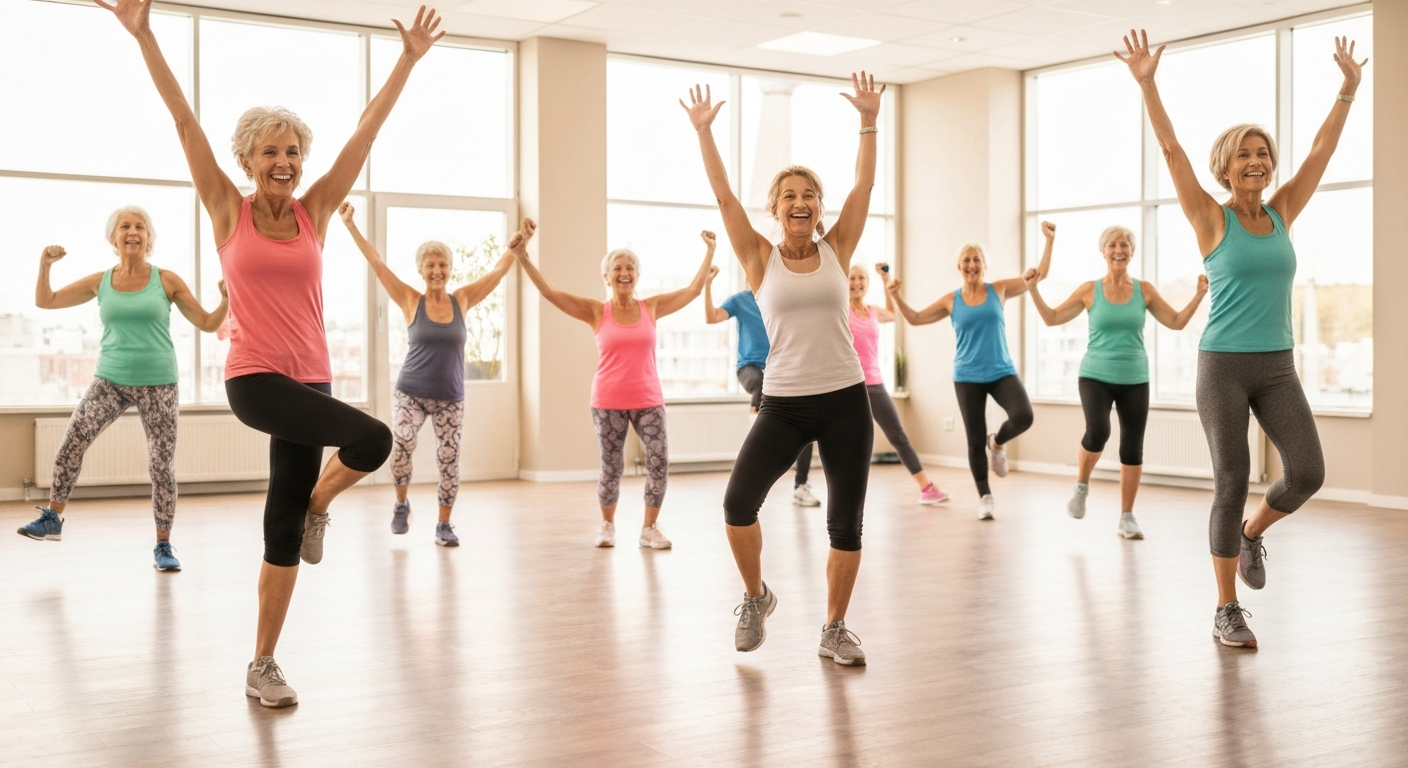
A well-rounded exercise program for adults over 60 should include four key components: endurance (aerobic), strength, balance, and flexibility. Endurance exercises, like brisk walking or swimming, improve heart and lung health. Strength training preserves muscle mass and bone density.
Balance exercises are crucial for preventing falls, which are a leading cause of injury in older adults. Finally, flexibility exercises, such as stretching or yoga, help maintain a full range of motion and prevent stiffness.
Myth vs. Fact
Myth: Older adults shouldn't lift weights because it's dangerous.
Fact: Strength training is incredibly safe and beneficial for older adults when done with proper form. It helps prevent muscle loss, strengthens bones, and improves daily functioning.
Expert Tip
From the Physical Therapist
Don't underestimate the power of incidental exercise. Taking the stairs, gardening, and even vigorous house cleaning all count towards your daily activity goals.
| Exercise Type | Examples | Primary Benefit |
|---|---|---|
| Aerobic/Endurance | Brisk walking, swimming, cycling | Improves cardiovascular health and stamina |
| Strength | Lifting weights, resistance bands, bodyweight | Builds muscle mass and bone density |
| Balance | Tai Chi, standing on one foot, heel-to-toe walk | Prevents falls and improves stability |
| Flexibility | Stretching, Yoga, Pilates | Maintains range of motion and reduces stiffness |
Common Mistakes to Avoid
- Skipping the Warm-Up: Always spend 5-10 minutes warming up to prepare your muscles and joints.
- Holding Your Breath: Remember to breathe continuously, especially during strength training.
- Ignoring Pain: Never push through sharp or sudden pain.
- Doing Too Much Too Soon: Rapidly increasing intensity can lead to injury and burnout.
- Wearing Improper Footwear: Good shoes provide necessary support and prevent slips.
The Bottom Line
The best exercise is the one you enjoy and will do consistently. Aim for a mix of aerobic, strength, balance, and flexibility activities to support healthy aging and maintain your independence.
Frequently Asked Questions
Is walking enough exercise?
Walking is excellent for cardiovascular health, but you also need strength and balance exercises for a complete routine.
What if I have joint pain?
Low-impact exercises like swimming, water aerobics, or stationary cycling are gentle on the joints.
Do I need to join a gym?
No. Many effective exercises, including walking and bodyweight strength training, can be done at home or in your neighborhood.
How do I know if I'm working hard enough?
Use the 'talk test'. During moderate exercise, you should be able to talk, but not sing. During vigorous exercise, you won't be able to say more than a few words without pausing for breath.
Is it safe to exercise if I have a chronic condition?
Usually, yes. In fact, exercise often helps manage chronic conditions. However, always consult your doctor before starting a new program.
What should I eat before exercising?
A light snack containing carbohydrates and a little protein, like half a banana with peanut butter, 30-60 minutes before exercising can provide energy.
Sources & References
- National Institute on Aging. (2023). Exercise and Physical Activity.
- Centers for Disease Control and Prevention. (2022). Physical Activity for Older Adults.
- American College of Sports Medicine. (2021). Exercise and the Older Adult.
Table of Contents
Join Our Newsletter
Get weekly health tips delivered to your inbox.
HealthyLivingAfter60 Editorial Team
Our editorial team creates evidence-based educational content focused on healthy aging, nutrition, exercise, chronic disease prevention, and wellness for adults over 60. Content is reviewed for accuracy and supported by trusted medical sources.
Read our Editorial PolicyRelated Articles
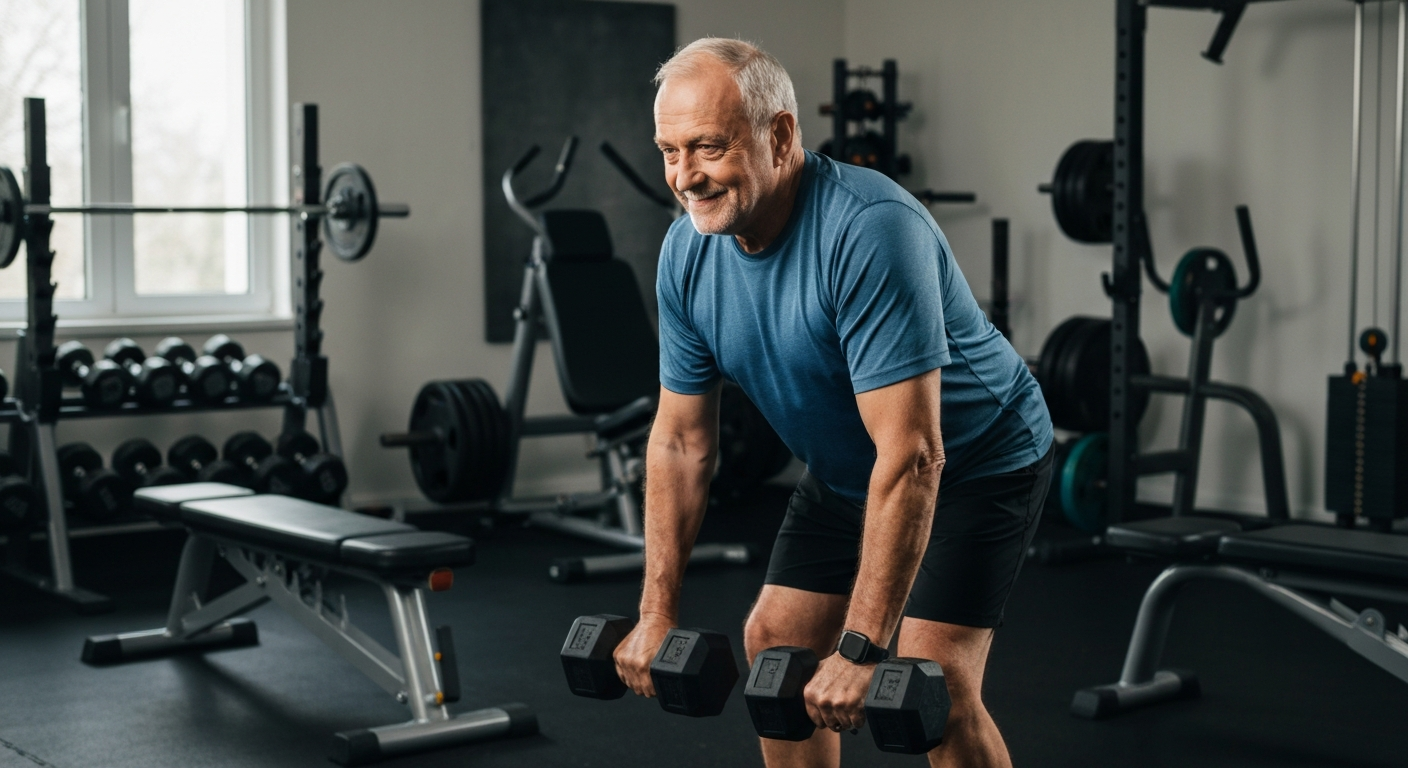
Strength Training for Seniors: Complete Beginner's Guide
7 min read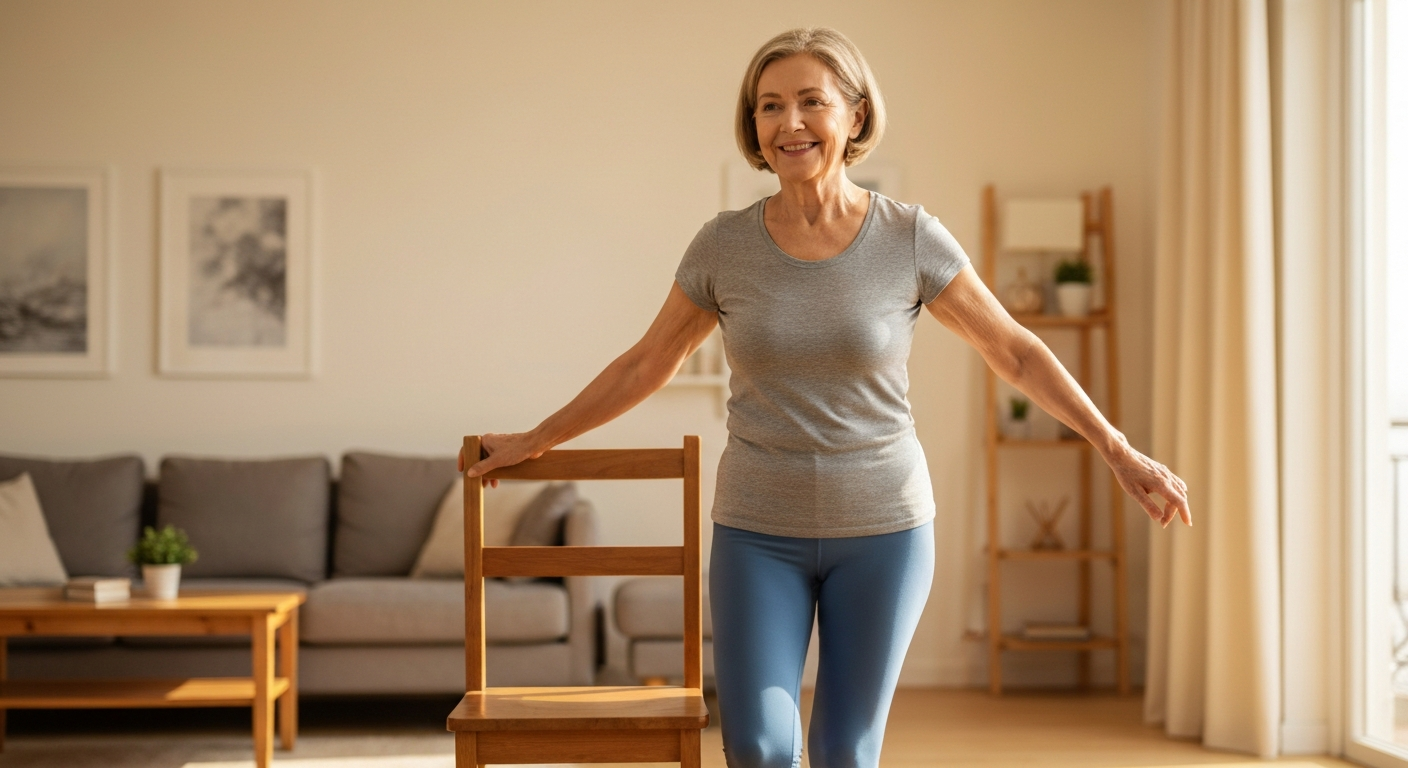
Balance Exercises to Help Prevent Falls
6 min read