How to Avoid Sarcopenia While Losing Weight
HealthyLivingAfter60 Editorial Team
Reviewed by the HealthyLivingAfter60 Editorial Team
Key Takeaways
- ✅ Muscle is Metabolic Currency: Preserving muscle is crucial for maintaining a healthy metabolism and preventing weight regain.
- ✅ The Danger of Deficits: Large calorie deficits are the primary cause of muscle loss during dieting.
- ✅ Protein Pacing: Consuming adequate protein evenly throughout the day is necessary to stimulate muscle repair.
- ✅ Resistance is Required: You cannot preserve muscle through diet alone; weight-bearing exercise is mandatory.
Sarcopenia—the age-related loss of muscle mass, strength, and function—is one of the greatest threats to independence in older adults. When seniors attempt to lose weight, they are at a significantly higher risk of accelerating this muscle loss, which can lead to frailty, falls, and metabolic decline.
This guide explains how to safely navigate weight loss after 60 by implementing targeted nutritional and exercise strategies designed specifically to protect your lean muscle tissue while shedding excess body fat.
Amount of muscle mass lost per decade after age 30.
Percentage of weight lost that can be muscle if proper strategies aren't used.
Target protein per meal to trigger muscle protein synthesis.
Understanding the Threat of Sarcopenia
Muscle tissue is highly dynamic, constantly being broken down and rebuilt. As we age, the body becomes 'anabolically resistant,' meaning it requires a stronger stimulus to rebuild muscle. When you add a calorie deficit (weight loss) to the equation, the body is even more inclined to break down muscle for energy. If sarcopenia takes hold, it reduces your resting metabolic rate, making further weight loss incredibly difficult and increasing the risk of injury and loss of mobility.
Myth vs. Fact
Myth: Walking is enough exercise to prevent muscle loss as I get older.
Fact: While walking is excellent for cardiovascular health and lower body endurance, it does not provide enough resistance to prevent sarcopenia, especially in the upper body and core. Resistance training is essential.
Expert Tip
From the Geriatrician
If you are over 65 and trying to lose weight, your primary focus should be on strength, not the scale. I would rather see a patient lose 5 pounds of fat and maintain their muscle than lose 15 pounds and become frail. Always pair any dietary restriction with progressive resistance training.
| Action | Impact on Muscle | Recommendation |
|---|---|---|
| Severe Calorie Restriction | Accelerates breakdown | Maintain a modest deficit (200-300 calories/day) |
| High Protein Intake | Stimulates synthesis | Aim for 1.2 - 1.5g per kg of body weight |
| Resistance Training | Preserves/Builds mass | 2-3 full-body sessions per week |
| Aerobic Exercise | Neutral (if balanced) | Include for heart health, but prioritize resistance |
| Adequate Sleep | Supports recovery | Aim for 7-9 hours to optimize growth hormone |
Common Mistakes to Avoid
- Focusing Solely on the Scale: The scale cannot tell you if you are losing fat or valuable muscle.
- Cardio-Only Routines: Aerobic exercise is great for the heart but does not provide the tension required to maintain muscle mass.
- Inadequate Protein Intake: Failing to consume enough high-quality protein, especially leucine-rich sources, limits the body's ability to repair muscle.
- Rapid Weight Loss: Losing more than 1-2 pounds per week almost guarantees significant muscle loss.
- Skipping Meals: Prolonged periods without protein can increase muscle breakdown in older adults.
The Importance of Vitamin D and Calcium
While protein and resistance training are the primary defenders against sarcopenia, they do not work alone. Vitamin D plays a crucial role in muscle function and strength. A deficiency in Vitamin D is common in older adults and is strongly linked to muscle weakness, frailty, and an increased risk of falls. Similarly, adequate calcium is necessary for muscle contraction. Ensuring you have sufficient levels of both nutrients through diet, safe sun exposure, or supplementation creates the optimal internal environment for muscle preservation during weight loss.
Managing Inflammation to Protect Muscle
Chronic, low-grade inflammation—often referred to as 'inflammaging'—accelerates muscle breakdown and blunts the body's ability to build new muscle tissue. This inflammation can be exacerbated by poor diet, stress, and excess visceral fat. To combat this, incorporate anti-inflammatory foods into your weight loss plan. Omega-3 fatty acids from fatty fish, antioxidants from berries and leafy greens, and spices like turmeric and ginger can help lower systemic inflammation, making your muscles more responsive to protein and exercise.
The Role of Hydration in Muscle Function
Muscle tissue is composed of approximately 75% water. When you are even mildly dehydrated, muscle cells shrink, which can trigger protein breakdown and inhibit muscle synthesis. Dehydration also leads to fatigue, cramps, and a decreased ability to perform the resistance exercises necessary to maintain muscle mass. Because the sensation of thirst diminishes with age, older adults must be proactive about drinking water throughout the day, especially before, during, and after exercise, to keep muscles fully hydrated and functioning optimally.
The Bottom Line
Weight loss after 60 must be strategic. By combining a modest calorie deficit with adequate protein and consistent resistance training, you can successfully lose fat while protecting the muscle that keeps you active and independent.
Frequently Asked Questions
What are the early signs of sarcopenia?
Early signs include feeling weaker, having difficulty lifting objects you used to lift easily, walking slower, and feeling exhausted after minor physical tasks.
Can I reverse sarcopenia once it starts?
Yes. While it is harder to build muscle as you age, progressive resistance training and proper nutrition can significantly improve muscle mass and strength at any age.
What foods are best for preventing muscle loss?
Foods rich in the amino acid leucine are particularly effective, including eggs, dairy (like Greek yogurt), lean meats, fish, and soy products.
Is it safe to lift weights if I have joint pain?
Yes, but it must be tailored to your needs. A physical therapist can design a program using machines, bands, or water resistance that strengthens muscles without stressing the joints.
How do I know if I'm losing fat or muscle?
While a DEXA scan is the most accurate method, monitoring your strength is a practical indicator. If you are losing weight but your strength in the gym or daily life is maintaining or improving, you are likely preserving muscle.
Does hormone replacement therapy help?
HRT can have a positive effect on muscle mass in some individuals, but it carries other risks and must be discussed thoroughly with your physician.
Can I use resistance bands instead of weights to prevent sarcopenia?
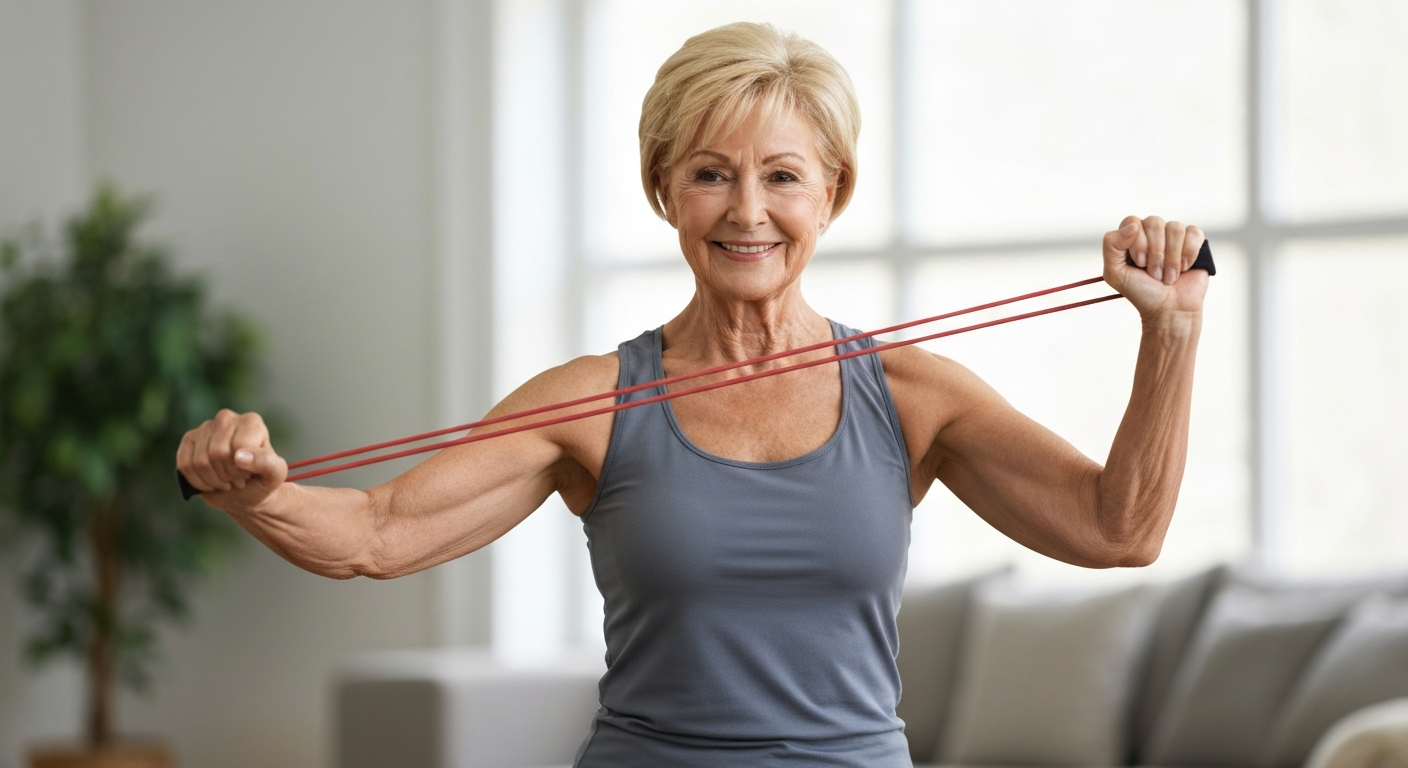
Absolutely. Resistance bands provide excellent, adjustable tension that challenges the muscles effectively while being very gentle on the joints, making them ideal for seniors.
How long does it take to rebuild lost muscle?
Rebuilding muscle takes longer than losing it, especially after 60. With consistent resistance training and adequate protein, you may start to notice improvements in strength within 4 to 8 weeks, but noticeable changes in muscle mass can take several months.
Should I take creatine to help maintain muscle?
Creatine monohydrate is one of the most researched and safe supplements for improving muscle strength and mass, even in older adults. However, you should consult your doctor before starting it, especially if you have kidney issues.
Sources & References
- National Institute on Aging. (2022). How Can You Maintain Muscle Mass as You Age?
- International Conference on Frailty and Sarcopenia Research. (2023). Guidelines for Sarcopenia Management.
- American College of Sports Medicine. (2023). Exercise and the Older Adult.
Further Reading
- How to Lose Weight Without Losing Muscle
- Best Exercises After 60 for Overall Health
- The Role of Protein in Weight Management
Table of Contents
Join Our Newsletter
Get weekly health tips delivered to your inbox.
HealthyLivingAfter60 Editorial Team
Our editorial team creates evidence-based educational content focused on healthy aging, nutrition, exercise, chronic disease prevention, and wellness for adults over 60. Content is reviewed for accuracy and supported by trusted medical sources.
Read our Editorial PolicyRelated Articles
Why Weight Loss is Different After 60
4 min read
How to Lose Weight Without Losing Muscle
4 min read