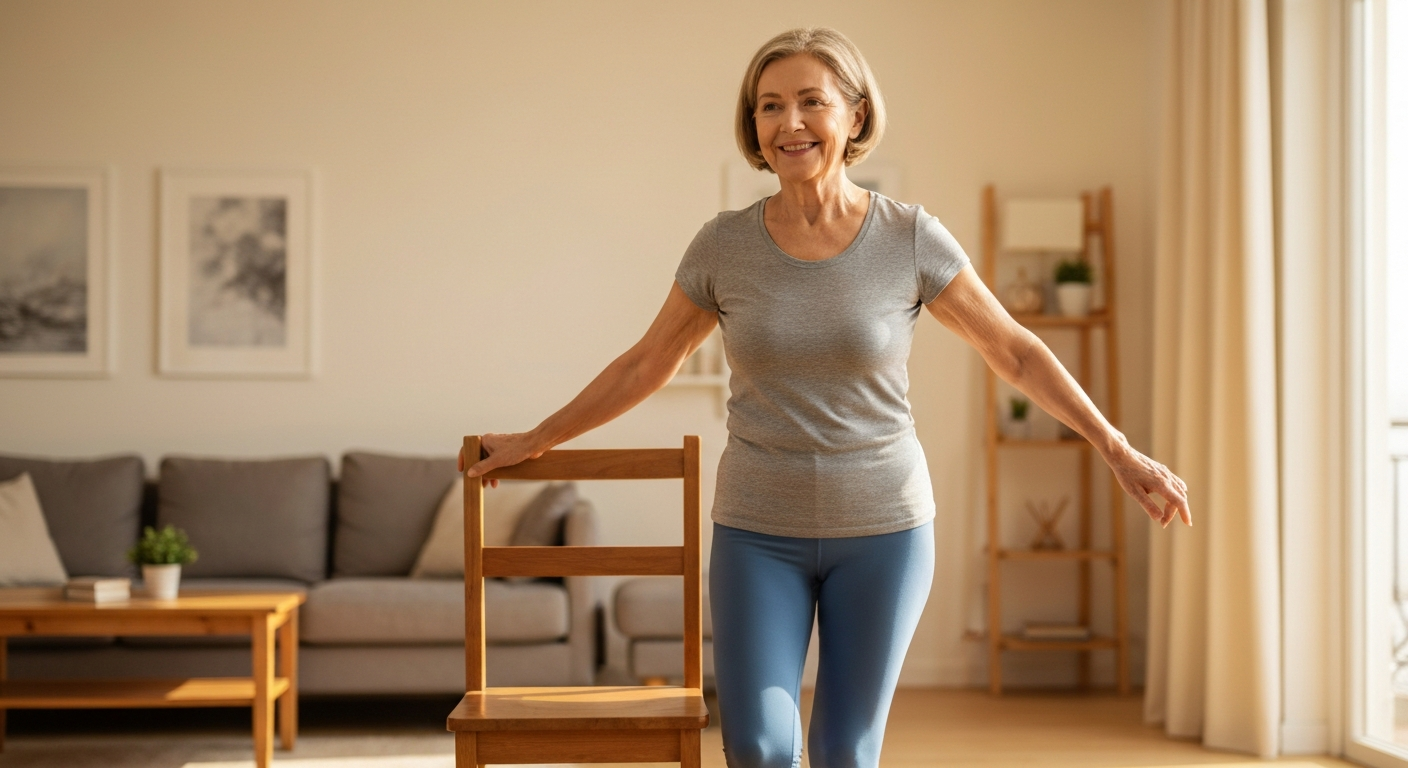
Best Walking Shoes for Seniors (2026): Top Picks for Comfort, Stability & Safety
HealthyLivingAfter60 Editorial Team
Reviewed by the HealthyLivingAfter60 Editorial Team
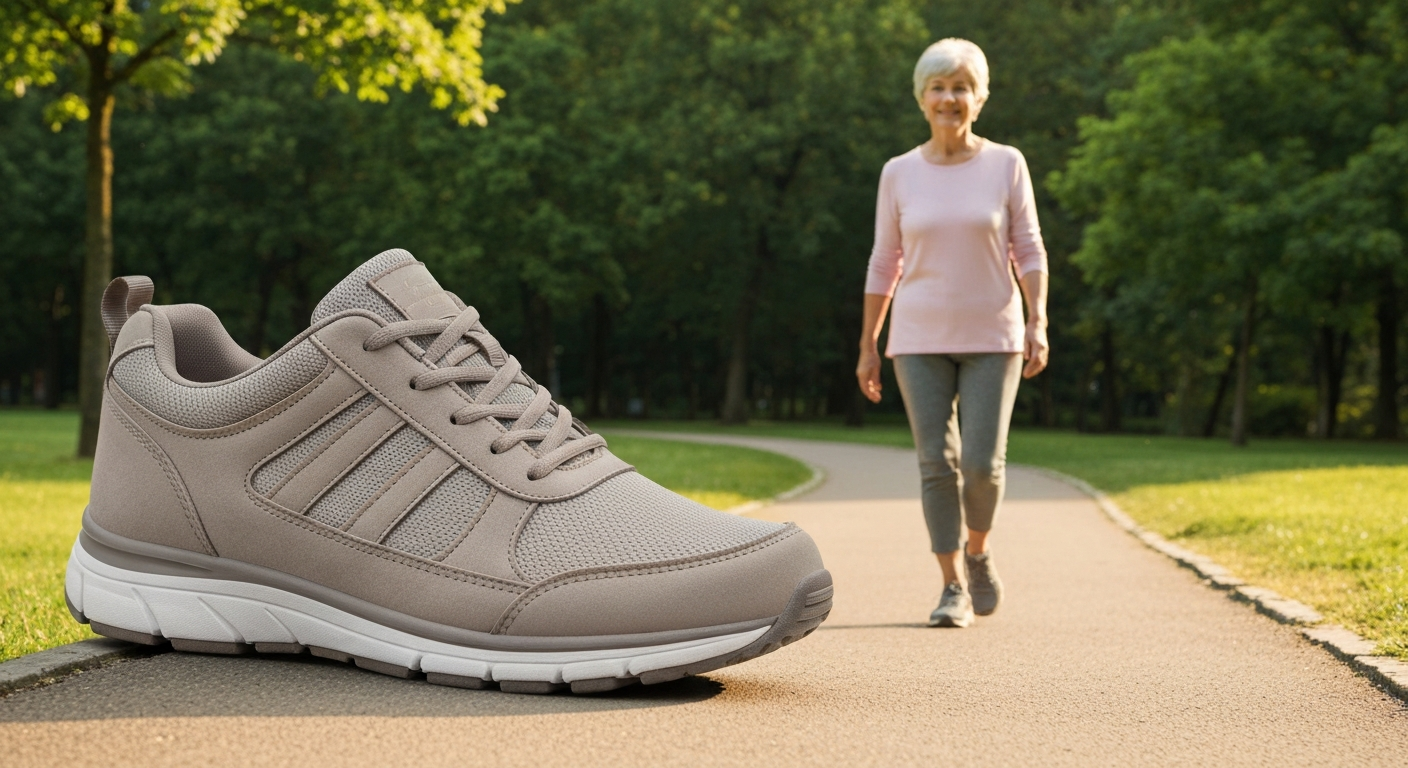
Disclosure: This article may contain affiliate links. If you purchase through these links, HealthyLivingAfter60.com may earn a small commission at no additional cost to you.
Key Takeaways
- • Proper footwear is essential for preventing falls, reducing joint pain, and maintaining mobility after age 60.
- • Cushioning and stability are the two most important factors to look for in a senior walking shoe.
- • Specific foot conditions like arthritis, plantar fasciitis, and neuropathy require targeted shoe features such as wide toe boxes and rocker bottoms.
- • Replace your walking shoes every 300 to 500 miles, or every 6 to 9 months of regular use, to ensure adequate shock absorption.
- • Always measure your feet before buying, as foot size and shape often change as we age.
Introduction
Staying active is one of the most important things you can do for your health after age 60, and walking is often the most accessible and effective form of exercise. It supports heart health, helps maintain a healthy weight, improves balance, and boosts mood. However, the benefits of a daily walk can quickly be overshadowed by foot, knee, or back pain if you are not wearing the right shoes.
Finding the best walking shoes for seniors isn't just about comfort—it's about safety, stability, and preserving your independence. As we age, our feet undergo natural changes that require different support than they did in our 30s or 40s. The right pair of walking shoes can reduce the impact on your joints, accommodate conditions like arthritis or plantar fasciitis, and significantly lower your risk of falls.
In this comprehensive, evidence-based guide, we will explore why proper footwear matters, how to choose the perfect shoe for your specific needs, and review the top walking shoes for adults over 60 in 2026. Whether you are walking for fitness, running errands, or simply looking for everyday comfort, this guide will help you step forward with confidence.
Why Proper Walking Shoes Matter After Age 60
According to the Centers for Disease Control and Prevention (CDC), falls are the leading cause of injury among older adults. While many factors contribute to fall risk, inappropriate footwear is a major, yet easily preventable, culprit. Wearing shoes that lack support, have worn-out soles, or fit poorly can compromise your balance and gait.
Beyond fall prevention, proper walking shoes act as shock absorbers. Every time your foot strikes the ground, a force equivalent to 1.5 times your body weight travels up through your feet, ankles, knees, hips, and lower back. High-quality walking shoes dissipate this force, reducing the wear and tear on aging joints and helping to prevent osteoarthritis flare-ups.
How Aging Changes Your Feet
Your feet are complex structures made up of 26 bones, 33 joints, and over 100 muscles, tendons, and ligaments. Over decades of use, it is entirely normal for your feet to change. Understanding these changes is the first step in selecting the right shoe:
- Loss of fat pads: The natural cushioning on the bottom of your feet, particularly under the heel and the ball of the foot, thins out over time. This makes walking on hard surfaces more painful and increases the need for shoes with ample cushioning.
- Widening and lengthening: Ligaments and tendons lose elasticity as we age, causing the arches to drop slightly and the foot to flatten and widen. You may find that you need a half-size larger or a wider width than you wore in your younger years.
- Decreased circulation: Older adults may experience reduced blood flow to the extremities, making feet more sensitive to cold and prone to swelling (edema) throughout the day.
- Skin changes: Skin becomes thinner, drier, and more fragile, increasing the risk of blisters, calluses, and sores from ill-fitting shoes.
Common Foot Problems After 60
When selecting a walking shoe, it is crucial to consider any existing foot or joint conditions. The American Podiatric Medical Association (APMA) notes that customized footwear choices can alleviate symptoms for many common senior ailments.
- Arthritis: Osteoarthritis and rheumatoid arthritis can cause joint pain, stiffness, and swelling in the feet and ankles. Shoes with excellent shock absorption, a rigid sole, and a rocker bottom (which helps propel the foot forward with less joint movement) are highly beneficial.
- Bunions: A bunion is a painful bony bump that forms on the joint at the base of the big toe. Shoes with a wide, deep, and flexible toe box are essential to prevent pressure and friction.
- Plantar Fasciitis: This condition involves inflammation of the thick band of tissue that runs across the bottom of your foot, causing stabbing heel pain. Shoes with robust arch support and deep heel cups are necessary to reduce strain on the fascia.
- Neuropathy: Often associated with diabetes, neuropathy causes numbness, tingling, or pain in the feet. Seniors with neuropathy need shoes with seamless interiors to prevent undetected blisters or ulcers, and a wide toe box to allow for swelling.
- Diabetes: Diabetic feet require extra care due to poor circulation and neuropathy. Diabetic-friendly shoes typically feature extra depth to accommodate orthotics, seamless linings, and breathable materials.
- Flat Feet (Fallen Arches): Without a pronounced arch, the foot tends to roll inward (overpronate) during walking. Stability shoes or motion-control shoes with firm medial support help correct this alignment and prevent knee and hip pain.
- Balance Problems: For those with unsteadiness, a shoe with a wide base of support, a firm heel counter (the back part of the shoe), and a low heel-to-toe drop is vital for maintaining a stable center of gravity.
Expert Tip
If you have diabetes, severe neuropathy, or significant foot deformities, consult a podiatrist before purchasing walking shoes. You may qualify for therapeutic shoes covered by Medicare Part B if prescribed by your doctor.
How We Selected These Shoes
To compile this list of the best walking shoes for seniors, we analyzed recommendations from podiatrists, physical therapists, and orthopedic specialists. We evaluated shoes based on criteria critical to older adults:
- Cushioning: Ability to absorb impact and compensate for thinning foot fat pads.
- Stability & Support: Features that prevent ankle rolling, support the arch, and provide a wide base.
- Fit & Width Options: Availability of wide and extra-wide sizes to accommodate bunions, swelling, and flat feet.
- Ease of Use: How easy the shoes are to put on and take off, considering potential mobility or dexterity limitations.
- Traction: Slip-resistant outsoles to prevent falls on wet or uneven surfaces.
- Weight: Lightweight designs that do not cause premature leg fatigue.
Top Recommended Walking Shoes for Seniors
Below are our top picks for 2026, categorized to help you find the perfect match for your specific needs.
1. Brooks Ghost
Best Overall Walking Shoe for Seniors
The Brooks Ghost is technically categorized as a running shoe, but it is widely recommended by podiatrists as an exceptional walking shoe for older adults. It strikes the perfect balance between plush cushioning and reliable stability, making it our top overall recommendation.
The shoe features Brooks' DNA LOFT cushioning, which provides a soft, smooth ride from heel to toe without feeling overly squishy or unstable. The engineered mesh upper is breathable and stretches to accommodate mild swelling, while the segmented crash pad in the sole ensures a smooth transition during your walking stride.
Key Features:
- • DNA LOFT cushioning for soft impact
- • Segmented Crash Pad for smooth transitions
- • APMA Seal of Acceptance
- • Available in Medium, Wide, and Extra Wide
- • 12mm heel-to-toe drop
Pros
- ✓ Exceptional balance of soft cushioning and support
- ✓ Very durable outsole provides good traction
- ✓ Accommodates custom orthotics easily
- ✓ Wide variety of sizes and widths
Cons
- ✗ Higher price point
- ✗ Standard laces may be difficult for severe hand arthritis
Who it is best for: Seniors looking for a versatile, highly comfortable daily walking shoe that offers reliable support for neutral arches and accommodates most foot shapes.
2. HOKA Bondi
Best for Arthritis and Knee Pain
HOKA is famous for its "maximalist" cushioning, and the Bondi is their most cushioned shoe. For seniors suffering from osteoarthritis in the knees, hips, or feet, the Bondi can be a game-changer. It features a massive bed of EVA foam that absorbs an incredible amount of impact.
Importantly, it utilizes an early-stage "Meta-Rocker" sole. This curved sole design gently rolls you forward as you walk, reducing the amount of bending required at the toe joints and ankle, which significantly alleviates pain for arthritic feet.
- Pros: Maximum shock absorption; rocker sole reduces joint strain; APMA Seal of Acceptance; wide base for stability.
- Cons: The thick sole looks bulky; high stack height can feel disconnected from the ground for those with severe balance issues.
- Best For: Seniors with severe joint pain, osteoarthritis, or those recovering from foot surgery who need maximum protection.
- Rating: 4.8/5
Search Amazon for the latest availability and pricing.
3. New Balance 990 Series
Best for Stability and Flat Feet
The New Balance 990 is a classic, premium stability shoe. If you have flat feet, overpronation (where your ankles roll inward), or need a very firm, supportive base, this is an excellent choice. It features an ENCAP midsole that combines lightweight foam with a durable polyurethane rim for all-day support.
It is also known for its spacious toe box and availability in multiple widths (up to Extra-Extra Wide), making it a top recommendation for seniors with bunions, hammertoes, or those who wear thick custom orthotics.
- Pros: Outstanding lateral stability; extremely durable construction; excellent for wide feet and orthotics.
- Cons: Heavier than modern mesh walking shoes; premium price tag.
- Best For: Seniors with flat feet, overpronation, or those needing a highly structured, supportive shoe for balance.
- Rating: 4.7/5
Search Amazon for the latest availability and pricing.
4. Skechers GO WALK Series
Best Lightweight and Slip-On Option
For seniors who struggle with bending over or tying laces due to back pain or hand arthritis, the Skechers GO WALK series (particularly the Slip-ins models) offers incredible convenience. These shoes are designed to be stepped into hands-free, featuring a rigid heel counter that won't collapse when you slide your foot in.
They are incredibly lightweight and feature Skechers' Air-Cooled Memory Foam for immediate, soft comfort. While they don't offer the rigid support of a New Balance 990, they are perfect for casual daily wear, indoor use, or short walks.
- Pros: True hands-free slip-on design; very lightweight; affordable; soft immediate comfort.
- Cons: Lacks firm arch support for long distances; soles wear out faster than premium running brands.
- Best For: Seniors with limited mobility, hand arthritis, or those wanting a comfortable, easy-to-wear shoe for errands and short walks.
- Rating: 4.5/5
Search Amazon for the latest availability and pricing.
5. ASICS Gel-Nimbus
Best for Plantar Fasciitis
The ASICS Gel-Nimbus is a highly cushioned, neutral shoe that excels in heel impact protection. It utilizes ASICS' signature GEL technology in the rearfoot, which acts like a shock absorber exactly where plantar fasciitis pain is most acute. The shoe also offers excellent arch support and a snug, secure fit around the midfoot.
- Pros: Superior heel cushioning; very breathable upper; smooth heel-to-toe transition.
- Cons: Can feel a bit narrow in the toe box compared to Brooks or New Balance (though wide sizes are available).
- Best For: Seniors dealing with heel pain, plantar fasciitis, or those who strike heavily on their heels when walking.
- Rating: 4.6/5
Search Amazon for the latest availability and pricing.
6. Orthofeet Coral (Women's) / Edgewater (Men's)
Best for Neuropathy and Diabetes
Orthofeet specializes in biomechanically engineered footwear for specific foot conditions. These shoes are designed with a seam-free interior, making them ideal for seniors with neuropathy or diabetes who must avoid blisters and friction. They feature extra depth, an anatomical orthotic insole with adjustable arch support, and a wide toe box.
- Pros: Specifically designed for therapeutic needs; seamless interior; includes premium orthotic insoles; excellent for swollen feet.
- Cons: Style is more clinical/orthopedic than athletic brands.
- Best For: Seniors with diabetes, severe neuropathy, bunions, or those who experience frequent foot swelling.
- Rating: 4.7/5
Search Amazon for the latest availability and pricing.
7. Nike Motiva
Best for a Smooth Walking Stride
The Nike Motiva was specifically designed for walking and slow jogging. It features a unique, exaggerated rocker sole that helps propel you forward, making walking feel less strenuous. The cushioning is soft, and the shoe has a wider forefoot, arch, and toe box than typical Nike running shoes, accommodating the natural swelling of the foot during a walk.
- Pros: Pronounced rocker geometry makes walking feel effortless; soft cushioning; modern, stylish design.
- Cons: The exaggerated rocker feel takes a few days to get used to.
- Best For: Seniors looking for a stylish, highly cushioned shoe that actively assists with forward momentum during fitness walks.
- Rating: 4.4/5
Search Amazon for the latest availability and pricing.
8. Saucony Ride
Best Everyday Value
The Saucony Ride is a dependable, neutral daily trainer that offers a great mix of cushioning and responsiveness. It is lighter than many max-cushion shoes, making it feel less clunky on the foot. The PWRRUN foam provides reliable shock absorption, and the shoe is generally priced slightly lower than flagship models from Brooks or HOKA, offering excellent value.
- Pros: Lightweight; durable; good value for the quality; supportive fit.
- Cons: Cushioning is firmer than the HOKA Bondi or Brooks Ghost.
- Best For: Seniors who prefer a lighter, slightly firmer shoe for daily walks and errands.
- Rating: 4.5/5
Search Amazon for the latest availability and pricing.
Comparison Table: Top Walking Shoes for Seniors
| Shoe Model | Best For | Cushioning | Support Type | Wide Sizes | Rating |
|---|---|---|---|---|---|
| Brooks Ghost | Best Overall | Medium-Plush | Neutral | Yes (Wide, X-Wide) | 4.9/5 |
| HOKA Bondi | Arthritis & Knee Pain | Maximum | Neutral / Rocker | Yes (Wide, X-Wide) | 4.8/5 |
| New Balance 990 | Stability & Flat Feet | Firm | Stability | Yes (Up to XX-Wide) | 4.7/5 |
| Skechers GO WALK | Slip-On Convenience | Soft | Neutral | Yes (Wide) | 4.5/5 |
| ASICS Gel-Nimbus | Plantar Fasciitis | Plush (Heel Focus) | Neutral | Yes (Wide) | 4.6/5 |
| Orthofeet Coral | Neuropathy & Diabetes | Medium | Therapeutic | Yes (Up to X-Wide) | 4.7/5 |
Walking Shoe Buying Guide for Seniors
Choosing the right shoe involves more than just picking a reputable brand. Here is what you need to look for when shopping for walking shoes.
How to Choose Walking Shoes
- Heel Support: The heel counter (the back of the shoe) should be firm. It should cup your heel snugly to prevent your foot from slipping up and down, which causes blisters and instability.
- Arch Support: If you have flat feet, look for "stability" shoes that prevent inward rolling. If you have high arches, look for "neutral" shoes with plenty of cushioning to absorb impact.
- Toe Box: The front of the shoe should be wide and deep enough that you can wiggle your toes freely. A cramped toe box will exacerbate bunions, hammertoes, and neuropathy.
- Slip Resistance: Look for outsoles made of durable rubber with a textured tread pattern. Avoid shoes with completely smooth foam bottoms, as they can be slippery on wet pavement or smooth indoor floors.
- Weight: Heavy shoes require more energy to lift with each step, which can lead to premature fatigue and tripping. Look for lightweight mesh materials rather than heavy leather.
- Breathability: Mesh uppers allow heat and moisture to escape, keeping your feet dry and reducing the risk of fungal infections or blisters.
- Shock Absorption: Look for midsoles made of EVA foam or specialized cushioning technologies (like ASICS GEL or Brooks DNA LOFT) to minimize the impact on your joints.
Proper Shoe Fit and Sizing Tips
A great shoe is useless if it doesn't fit properly. Follow these rules for the best fit:
- Shop in the afternoon: Feet naturally swell throughout the day. Trying on shoes in the late afternoon ensures they won't feel too tight later on.
- Wear the right socks: Try on shoes wearing the exact type of socks you plan to walk in.
- Check the length: There should be about a half-inch (roughly the width of your thumb) between your longest toe and the end of the shoe.
- Check the width: The shoe should feel snug around the midfoot and heel, but your forefoot should not feel squeezed. If the sides of your feet are bulging over the sole of the shoe, you need a wider width.
- Measure both feet: It is common for one foot to be slightly larger than the other. Always buy shoes that fit the larger foot.
When to Replace Your Walking Shoes
A common mistake seniors make is wearing shoes long after the internal cushioning has broken down. Walking shoes should be replaced every 300 to 500 miles. Even if the outside looks fine, the foam inside compresses over time and loses its shock-absorbing ability. If your knees or back suddenly start hurting after a walk, it's likely time for new shoes.
Frequently Asked Questions
What are the best walking shoes for seniors?
The best overall walking shoe for most seniors is the Brooks Ghost, due to its excellent balance of cushioning, stability, and wide availability. However, the "best" shoe depends on your specific needs—HOKA Bondi is better for severe joint pain, while New Balance 990 is better for flat feet.
How often should seniors replace walking shoes?
Walking shoes should be replaced every 300 to 500 miles. For someone walking 30 minutes a day, this equates to roughly every 6 to 9 months. The internal foam degrades over time, reducing shock absorption even if the tread looks fine.
Are running shoes okay for walking?
Yes, absolutely. In fact, most podiatrists recommend high-quality running shoes for walking because they offer superior cushioning, breathability, and support technologies compared to traditional leather "walking" shoes.
What shoes help prevent falls?
Shoes that prevent falls have a wide base of support, a firm heel counter to lock the foot in place, a low heel-to-toe drop (so you aren't pitched forward), and a slip-resistant rubber outsole. Avoid high heels, floppy slippers, and shoes with worn-out tread.
What shoes are best for arthritis?
For arthritis, look for maximum cushioning to reduce joint impact and a rigid or "rocker" sole (like the HOKA Bondi). A rocker sole helps roll the foot forward naturally, reducing the need for the toes and ankles to bend, which minimizes pain.
Are HOKA shoes good for seniors?
Yes, HOKA shoes are highly recommended for seniors, especially those with osteoarthritis, knee pain, or foot pain. Their thick, maximalist cushioning provides unparalleled shock absorption.
Can good shoes reduce knee pain?
Yes. Knee pain during walking is often caused by the impact of your foot striking the ground. Highly cushioned shoes act as shock absorbers, significantly reducing the force that travels up to your knees.
What shoes help plantar fasciitis?
Shoes with strong arch support, a firm heel counter, and targeted heel cushioning (like the ASICS Gel-Nimbus) are best for plantar fasciitis. They reduce the strain on the plantar fascia ligament.
Do walking shoes help balance?
Yes. A shoe with a wide, stable base and proper arch support improves proprioception (your body's awareness of its position) and provides a secure foundation, which directly improves balance.
Related Articles to Explore
- Best Diet Plan for Seniors
- Best Exercises for Arthritis Pain
- Heart Health After 60
- Blood Pressure Guide
- Healthy Weight After 60
- Walking for Seniors
Conclusion
Investing in the right pair of walking shoes is one of the most effective ways to protect your independence, reduce joint pain, and stay active after age 60. Remember that your feet change as you age, so prioritize cushioning, a wide toe box, and solid stability over fashion.
Whether you choose the balanced comfort of the Brooks Ghost, the joint-protecting cushion of the HOKA Bondi, or the structured support of the New Balance 990, the best shoe is the one that fits your foot perfectly and makes you want to get out and walk.
If you have persistent foot pain, diabetes, or severe balance issues, always consult with a podiatrist or orthopedic specialist to ensure you are selecting the safest footwear for your specific health needs.
Table of Contents
- Introduction
- Why Proper Walking Shoes Matter After Age 60
- Common Foot Problems After 60
- How We Selected These Shoes
- Top Recommended Walking Shoes for Seniors
- Comparison Table: Top Walking Shoes for Seniors
- Walking Shoe Buying Guide for Seniors
- Frequently Asked Questions
- Related Articles to Explore
- Conclusion
Join Our Newsletter
Get weekly health tips delivered to your inbox.
HealthyLivingAfter60 Editorial Team
Our editorial team creates evidence-based educational content focused on healthy aging, nutrition, exercise, chronic disease prevention, and wellness for adults over 60. Content is reviewed for accuracy and supported by trusted medical sources.
Read our Editorial PolicyRelated Articles

Best Exercises After 60 for Overall Health
7 min read
Strength Training for Seniors: Complete Beginner's Guide
4 min read