Best Diet Plan for Seniors: A Complete Healthy Eating Guide (2026)
HealthyLivingAfter60 Editorial Team
Reviewed by the HealthyLivingAfter60 Editorial Team
Key Takeaways
- ✅ Metabolism slows down with age, meaning you need fewer calories but more nutrient-dense foods to meet your vitamin and mineral requirements.
- ✅ Protein is crucial for preventing age-related muscle loss (sarcopenia). Aim for high-quality sources at every meal.
- ✅ The Mediterranean diet is consistently ranked as one of the best eating patterns for heart health, brain function, and longevity.
- ✅ Hydration becomes more challenging because our sense of thirst diminishes with age. Drinking water regularly is essential.
- ✅ Small, sustainable changes—like adding a serving of vegetables or swapping refined grains for whole grains—can make a massive difference.
As we age, our bodies undergo profound changes that directly impact our nutritional needs. What worked for you in your 40s may no longer be sufficient or appropriate in your 60s, 70s, and beyond. Understanding how to adapt your diet is one of the most powerful ways to maintain your energy, protect your heart and brain, preserve muscle mass, and stay independent.
In this comprehensive guide, we will break down the fundamental principles of healthy eating after 60. We will explore the best foods to include in your daily routine, what to limit, and how to structure a sustainable, delicious diet plan that supports healthy aging.
Quick Answer
The best diet plan for seniors focuses on nutrient density. Prioritize high-quality protein to preserve muscle, fiber-rich fruits and vegetables for digestion, and healthy fats like olive oil and omega-3s for brain and heart health. The Mediterranean diet is consistently ranked as the top eating pattern for healthy aging.
Of your plate should be fruits and vegetables
Glasses of fluid recommended daily to prevent dehydration
Protein target per meal to preserve muscle mass
Why Nutrition Changes After Age 60
Aging affects almost every system in the body, and these changes dictate why our nutritional needs shift. Understanding these biological changes is the first step toward building the best diet plan for seniors.
Slower Metabolism
As you lose muscle mass and become less active, your basal metabolic rate (BMR) drops. This means you require fewer calories to maintain your current weight. Because your calorie budget is smaller, every calorie needs to count. Empty calories from sugary snacks or ultra-processed foods become more detrimental because they take up space that should be filled with essential vitamins and minerals.
Muscle Loss (Sarcopenia)
Sarcopenia is the age-related loss of muscle mass, strength, and function. It begins around age 30 but accelerates significantly after age 60. To counteract this decline, older adults actually need more protein than younger adults. Adequate protein intake, combined with resistance training, is the most effective way to preserve muscle and maintain independence.
Bone Health and Osteoporosis
Bone density naturally decreases as we age, increasing the risk of osteopenia and osteoporosis. This makes bones more fragile and susceptible to fractures from minor falls. Calcium and Vitamin D become critical nutrients to support bone remodeling and strength.
Hydration and Digestion
The sensation of thirst diminishes as we get older, meaning you might not feel thirsty even when your body is dehydrated. Dehydration can lead to fatigue, confusion, and urinary tract infections. Additionally, changes in the digestive tract, such as decreased motility, can lead to constipation, making adequate fluid and fiber intake absolutely vital.
Medications and Nutrient Absorption
Many seniors take prescription medications that can interfere with nutrient absorption. Furthermore, the stomach produces less gastric acid as we age, making it harder to absorb certain nutrients, particularly Vitamin B12, iron, and calcium.
Myth vs. Fact
Myth: Older adults need fewer nutrients because they are less active.
Fact: While seniors generally need fewer calories, their need for vitamins, minerals, and high-quality protein actually increases to prevent age-related decline.
What Makes the Best Diet for Seniors?
The best diet for older adults isn't about strict restriction, counting every calorie, or following fad diets. It's about nutrient density. Every meal should pack a punch of vitamins, minerals, fiber, and high-quality protein. A balanced eating pattern should focus on whole, minimally processed foods that fight chronic inflammation, support cellular health, and provide sustained energy throughout the day.
| Nutrient | Why You Need It | Best Food Sources |
|---|---|---|
| Protein | Preserves muscle mass and strength | Eggs, fish, poultry, beans, Greek yogurt |
| Fiber | Aids digestion, lowers cholesterol | Oats, berries, lentils, broccoli |
| Calcium | Maintains bone density | Dairy, fortified plant milks, leafy greens |
| Omega-3s | Protects brain and heart health | Salmon, walnuts, chia seeds |
| Vitamin B12 | Supports nerve and blood cells | Meat, fish, fortified cereals |
Foods to Eat Every Day
To build a robust, healthy diet, prioritize these food groups daily:
Vegetables
Vegetables are the cornerstone of any healthy diet. Aim for at least 2 to 3 cups per day.
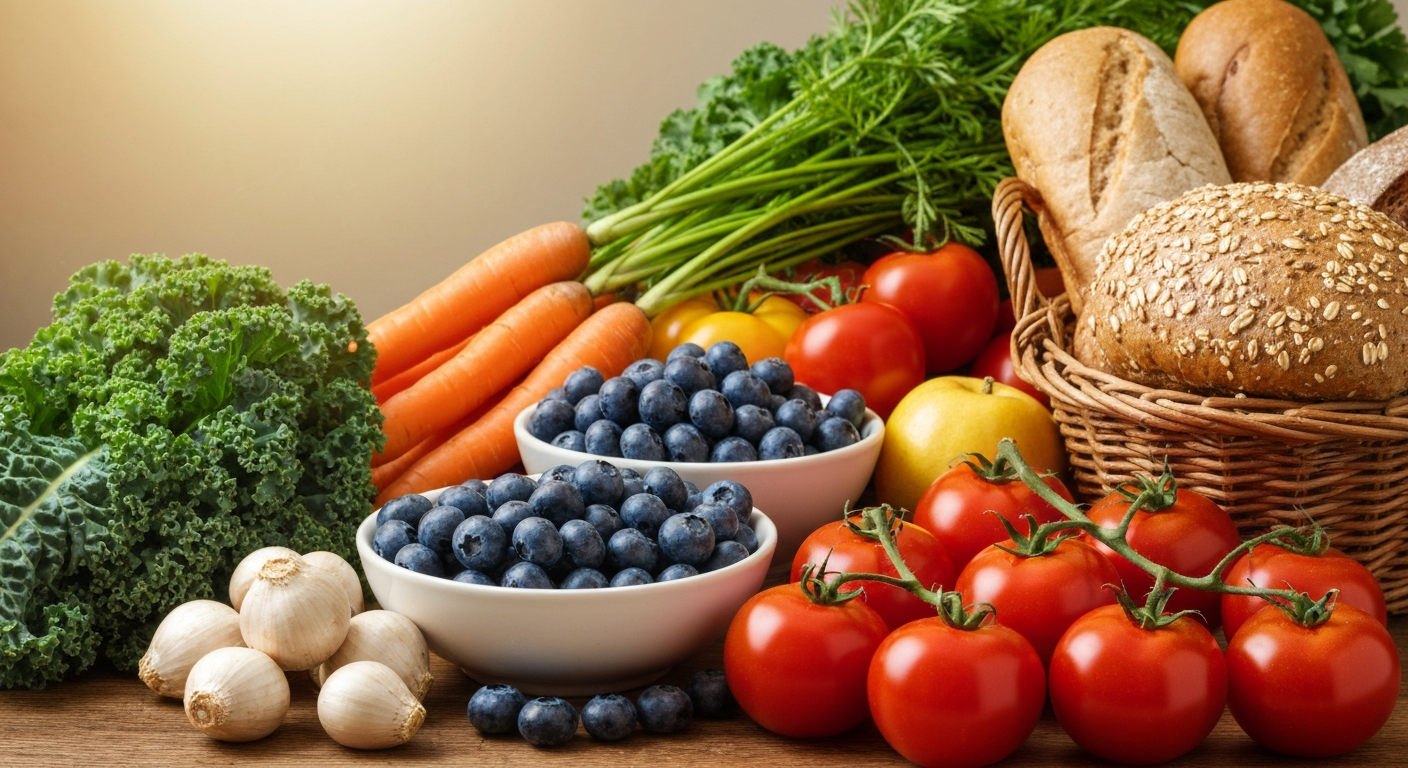
- Leafy Greens: Spinach, kale, Swiss chard, and collard greens are rich in Vitamin K, lutein, and folate, which support brain and bone health.
- Cruciferous Vegetables: Broccoli, Brussels sprouts, and cauliflower contain compounds that help reduce inflammation and lower cancer risk.
- Colorful Veggies: Carrots, sweet potatoes, and bell peppers are loaded with beta-carotene and Vitamin C for immune and eye health.
Fruits
Fruits provide essential antioxidants, vitamins, and fiber. Aim for 1.5 to 2 cups daily.
- Berries: Blueberries, strawberries, and blackberries are packed with anthocyanins, which are excellent for cognitive function and memory.
- Apples and Pears: High in pectin, a soluble fiber that helps lower cholesterol and stabilize blood sugar.
- Citrus Fruits: Oranges and grapefruits provide Vitamin C and hydration.
Lean Protein
Protein is the building block of muscle. Aim for 25 to 30 grams of protein per meal.
- Poultry: Skinless chicken and turkey breast are excellent, low-fat protein sources.
- Eggs: Highly bioavailable protein containing choline, which is vital for brain health.
- Plant-Based Proteins: Tofu, tempeh, and edamame are great alternatives to meat.
Fatty Fish
Aim to eat fish at least twice a week. Salmon, sardines, mackerel, and trout are rich in Omega-3 fatty acids, which powerfully reduce inflammation, lower triglycerides, and protect the brain against cognitive decline.
Whole Grains
Swap refined grains for whole grains to increase your fiber intake and keep your digestive system regular.
- Oats: Rich in beta-glucan, which helps lower LDL (bad) cholesterol.
- Quinoa and Brown Rice: Provide sustained energy and essential B vitamins.
- Whole-Wheat Bread: A much better choice than white bread for blood sugar control.
Healthy Fats, Nuts, and Seeds
Fats are essential for absorbing fat-soluble vitamins (A, D, E, and K) and protecting the brain.
- Extra Virgin Olive Oil: The healthiest fat you can use for cooking and dressings.
- Avocados: Rich in monounsaturated fats and potassium.
- Nuts and Seeds: Walnuts, almonds, chia seeds, and flaxseeds provide fiber, protein, and heart-healthy fats.
Dairy or Fermented Alternatives
To support bone and gut health, include calcium-rich and probiotic foods.
- Greek Yogurt: Contains double the protein of regular yogurt and provides gut-friendly probiotics.
- Kefir: A fermented milk drink packed with probiotics.
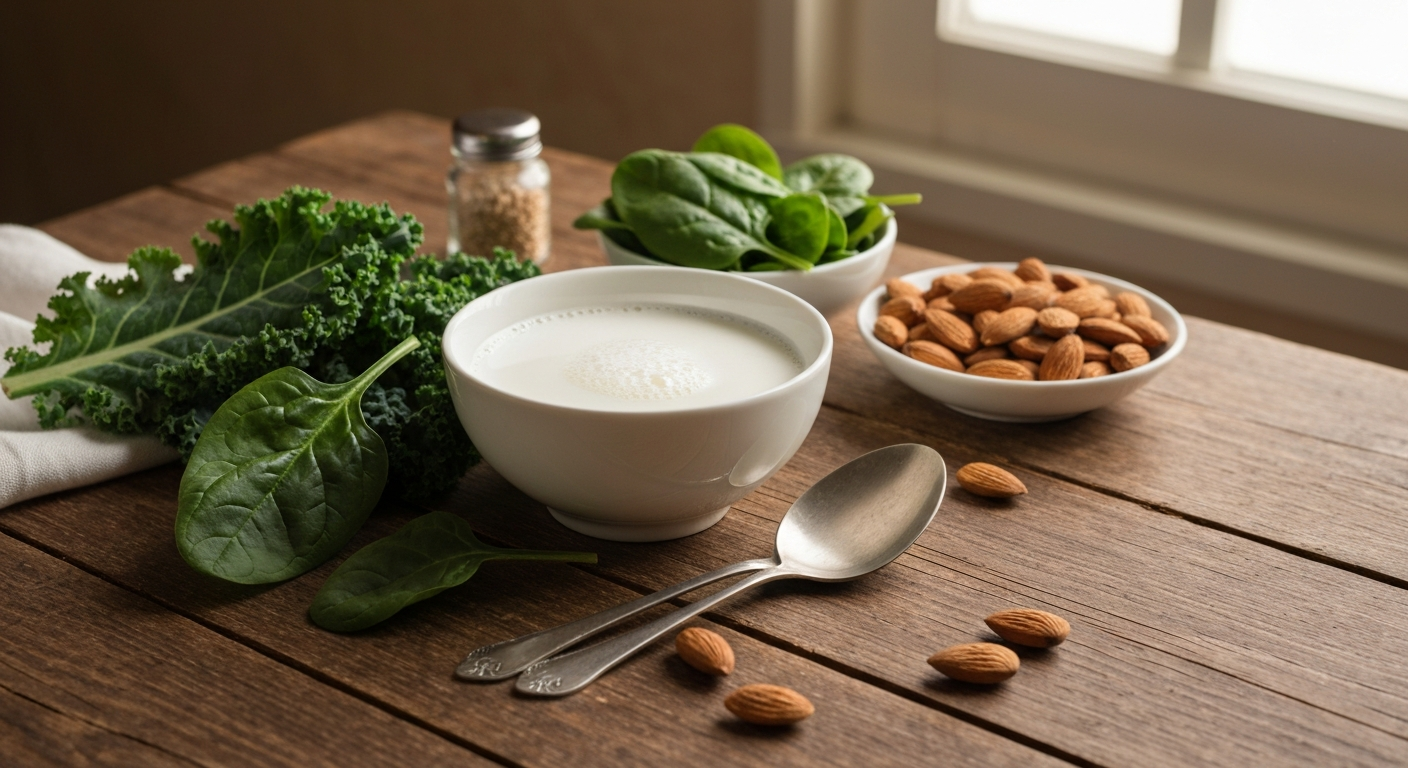
- Fortified Plant Milks: Almond or soy milk fortified with Calcium and Vitamin D.
Foods to Limit
To protect your heart, brain, and waistline, minimize the following foods in your daily diet:
- Ultra-Processed Foods: Packaged snacks, fast food, and frozen dinners often contain hidden sodium, unhealthy fats, and preservatives that drive inflammation.
- Sugary Drinks: Soda, sweetened iced teas, and even fruit juices spike blood sugar rapidly and provide zero nutritional value.
- Excessive Sodium: High salt intake is a major contributor to high blood pressure. Limit canned soups, processed deli meats, and salty snacks.
- Refined Carbohydrates: White bread, white pasta, white rice, and pastries digest quickly, causing blood sugar crashes and promoting weight gain.
- Trans Fats and Excess Saturated Fats: Found in commercial baked goods, fried foods, and fatty cuts of red meat, these fats increase the risk of heart disease.
The Mediterranean Diet: A Gold Standard
When experts discuss the "best diet plan for seniors," the Mediterranean diet is almost always at the top of the list. It is not a restrictive "diet" in the modern sense, but rather a traditional eating pattern.
It emphasizes plant-based foods, healthy fats (especially extra virgin olive oil), and lean proteins like fish and poultry, while limiting red meat, dairy, and sweets. Decades of research consistently link the Mediterranean diet to a lower risk of heart disease, Alzheimer's disease, type 2 diabetes, and premature death.
Sample 7-Day Meal Plan
Here is a simple, heart-healthy, and protein-rich meal plan to get you started:
Monday
Breakfast: Oatmeal cooked with milk, topped with blueberries and walnuts.
Lunch: Mixed green salad with chickpeas, cherry tomatoes, and olive oil vinaigrette.
Dinner: Baked salmon with roasted asparagus and a side of quinoa.
Tuesday
Breakfast: Greek yogurt with sliced almonds and a drizzle of honey.
Lunch: Turkey and avocado sandwich on whole-wheat bread with a side of carrot sticks.
Dinner: Chicken stir-fry with broccoli, bell peppers, and brown rice.
Wednesday
Breakfast: Scrambled eggs with spinach and a slice of whole-grain toast.
Lunch: Hearty lentil soup with a small side salad.
Dinner: Baked cod with sweet potato wedges and steamed green beans.
Thursday
Breakfast: Whole-grain toast topped with peanut butter and banana slices.
Lunch: Tuna salad (made with Greek yogurt instead of mayo) served over mixed greens.
Dinner: Vegetarian chili made with kidney beans, black beans, and diced tomatoes.
Friday
Breakfast: Protein smoothie with spinach, half a banana, protein powder, and almond milk.
Lunch: Quinoa salad with diced cucumbers, Kalamata olives, and feta cheese.
Dinner: Grilled chicken breast with roasted Brussels sprouts.
Saturday
Breakfast: Cottage cheese topped with fresh pineapple chunks.
Lunch: Leftover vegetarian chili.
Dinner: Shrimp and vegetable skewers grilled or roasted in the oven.
Sunday
Breakfast: Veggie omelet with mushrooms, onions, and bell peppers.
Lunch: Minestrone soup with a slice of whole-grain bread.
Dinner: Roast turkey breast with a side of steamed broccoli and wild rice.
Best Snacks for Seniors
Snacking isn't inherently bad; in fact, for seniors who struggle to eat large meals, nutrient-dense snacks are essential for meeting daily caloric and nutritional needs. Keep your energy stable with these healthy snack ideas:
- Apple slices with almond butter
- A handful of unsalted mixed nuts
- Carrot and celery sticks with hummus
- Greek yogurt with berries
- Hard-boiled eggs
- Edamame (steamed soybeans)
- Roasted chickpeas
- Cottage cheese with peaches
- A small piece of dark chocolate (70%+ cocoa)
- Whole-grain crackers with a slice of low-fat cheese
- Sliced bell peppers with guacamole
- A small handful of pumpkin seeds
- Air-popped popcorn (lightly salted)
- Cherry tomatoes with mozzarella pearls
- A small protein shake
Hydration After 60
Because the sensation of thirst decreases with age, older adults are at a high risk for dehydration. Chronic dehydration can cause fatigue, dizziness, confusion, constipation, and increase the risk of urinary tract infections and kidney stones.
Hydration Tips:
- Aim for at least 8 cups (64 ounces) of fluid a day, unless your doctor has advised fluid restriction.
- Don't wait until you are thirsty to drink. Keep a water bottle visible throughout the day.
- Water, herbal tea, milk, and clear broths all count toward your hydration goals.
- Eat water-rich foods like watermelon, cucumbers, oranges, and celery.
Vitamins and Minerals to Watch
Even with a perfect diet, seniors are at risk for certain micronutrient deficiencies. Pay special attention to these:
- Calcium & Vitamin D: Essential for maintaining bone density and preventing osteoporosis. Found in dairy, fortified milks, and leafy greens. Sun exposure helps the body synthesize Vitamin D, but a supplement is often necessary after age 60.
- Vitamin B12: Crucial for nerve function and red blood cell production. Stomach acid decreases with age, reducing B12 absorption from food. Fortified cereals or a B12 supplement are often recommended.
- Magnesium: Supports heart health, muscle function, and sleep quality. Found in nuts, seeds, bananas, and spinach.
- Potassium: Helps regulate blood pressure and fluid balance. Found in potatoes, bananas, beans, and tomatoes.
- Fiber: Keeps digestion regular, lowers cholesterol, and stabilizes blood sugar. Aim for 25 to 30 grams daily from whole grains, fruits, and vegetables.
Common Diet Mistakes Seniors Make
Avoid these common nutritional pitfalls to protect your health:
- Skipping Meals: This can lead to dangerous drops in blood sugar, dizziness, and accelerated muscle loss.
- Not Eating Enough Protein: Failing to eat protein at every meal accelerates frailty and weakness.
- Relying on Processed Convenience Foods: Frozen dinners and canned soups are often excessively high in sodium and low in actual nutrients.
- Ignoring Thirst: Leading to chronic mild dehydration which mimics dementia symptoms.
- Fearing All Fats: Cutting out healthy fats deprives the brain of essential nutrients and prevents the absorption of fat-soluble vitamins.
- Overcooking Vegetables: Boiling vegetables until mushy destroys water-soluble vitamins like Vitamin C and B vitamins. Lightly steam or roast them instead.
- Eating "Naked" Carbohydrates: Eating carbs (like a plain piece of toast) without protein or fat causes rapid blood sugar spikes.
Special Diets for Health Conditions
Depending on your personal health profile, your doctor or registered dietitian may recommend specific modifications to your eating plan:
- Diabetes or Prediabetes: Focus heavily on complex carbohydrates, high fiber, and lean protein to stabilize blood sugar. Limit added sugars and refined grains.
- High Blood Pressure: The DASH (Dietary Approaches to Stop Hypertension) diet emphasizes low sodium, high potassium, and plenty of vegetables and fruits.
- High Cholesterol: Reduce saturated fats (red meat, butter) and increase soluble fiber (oats, beans, apples) to naturally lower LDL cholesterol.
- Arthritis and Joint Pain: An anti-inflammatory diet rich in Omega-3 fatty acids (salmon, walnuts) and antioxidants (berries, leafy greens) can help manage joint inflammation and pain.
- Osteoporosis: Ensure adequate intake of Calcium, Vitamin D, and Vitamin K, while avoiding excessive alcohol and caffeine, which can leach calcium from bones.
Expert Tip
From the Dietitian
Don't try to overhaul your entire diet overnight. Pick one small, sustainable change to focus on this week. For example, commit to drinking one extra glass of water each morning, or adding one serving of vegetables to your dinner. Once that habit feels natural, add another. Consistency beats perfection every time.
The Bottom Line
The best diet plan for seniors focuses on nutrient density—making every bite count. By embracing whole foods, prioritizing protein and fiber, and staying hydrated, you can significantly enhance your quality of life, energy levels, and long-term health.
Frequently Asked Questions
What is the healthiest diet after age 60?
The Mediterranean diet is widely considered the healthiest, focusing on vegetables, healthy fats, lean proteins, and whole grains.
How much protein do seniors need?
Most experts recommend 1.0 to 1.2 grams of protein per kilogram of body weight, which is higher than the requirement for younger adults.
What is the best breakfast for seniors?
A balanced breakfast should include protein and fiber. Examples include oatmeal with nuts, or eggs with whole-grain toast.
Should seniors avoid carbohydrates?
No, but they should focus on complex carbohydrates (like oats and beans) rather than refined carbs (like white bread and pastries).
How much water should seniors drink?
Aim for at least 8 cups (64 ounces) of fluid daily, adjusting for activity level and climate.
What foods improve brain health?
Berries, leafy greens, walnuts, and fatty fish are excellent for supporting cognitive function.
Can diet reduce inflammation?
Yes. An anti-inflammatory diet rich in antioxidants, Omega-3s, and whole foods can significantly reduce chronic inflammation.
Are nutritional supplements necessary after 60?
While getting nutrients from food is best, many seniors benefit from Vitamin D, B12, and Calcium supplements. Always consult your doctor before starting any supplement.
How can I eat healthy on a tight budget?
Focus on affordable staples like dried beans, lentils, brown rice, frozen vegetables, and canned fish (like tuna or sardines). These are highly nutritious and cost-effective.
What should I eat if I have no appetite?
Try eating smaller, more frequent meals. Focus on nutrient-dense foods like avocados, nuts, and protein smoothies that pack a lot of calories and nutrients into small portions.
Sources & References
- National Institute on Aging (NIA) - Healthy Eating for Older Adults
- American Heart Association (AHA) - The Mediterranean Diet
- USDA MyPlate for Older Adults
- Centers for Disease Control and Prevention (CDC) - Nutrition Basics
Table of Contents
- Why Nutrition Changes After Age 60
- What Makes the Best Diet for Seniors?
- Foods to Eat Every Day
- Foods to Limit
- The Mediterranean Diet: A Gold Standard
- Sample 7-Day Meal Plan
- Best Snacks for Seniors
- Hydration After 60
- Vitamins and Minerals to Watch
- Common Diet Mistakes Seniors Make
- Special Diets for Health Conditions
- Expert Tip
- Frequently Asked Questions
- Sources & References
Join Our Newsletter
Get weekly health tips delivered to your inbox.
HealthyLivingAfter60 Editorial Team
Our editorial team creates evidence-based educational content focused on healthy aging, nutrition, exercise, chronic disease prevention, and wellness for adults over 60. Content is reviewed for accuracy and supported by trusted medical sources.
Read our Editorial PolicyRelated Articles