Mediterranean Diet After 60
HealthyLivingAfter60 Editorial Team
Reviewed by the HealthyLivingAfter60 Editorial Team
Key Takeaways
- ✅ Heart Health Focus: Rich in healthy fats like olive oil that protect against cardiovascular disease.
- ✅ Brain Protection: High antioxidant content from vegetables and berries supports cognitive function.
- ✅ Not a 'Diet': It is a lifestyle pattern, meaning no strict calorie counting or eliminated food groups.
- ✅ Bone Support: Includes dairy and calcium-rich leafy greens essential for aging bones.
The Mediterranean diet is consistently ranked as the #1 diet for healthy aging. But why is it so effective for adults over 60? As our metabolism slows and our risk for cardiovascular disease increases, shifting from a typical Western diet to a Mediterranean approach can profoundly impact longevity and quality of life.
In this guide, we break down exactly how to adapt the Mediterranean diet for your 60s, which foods to prioritize for heart and brain health, and how to make this transition simple and sustainable.
Quick Answer
The Mediterranean diet is ideal for adults over 60 because it naturally lowers inflammation, protects heart health, and supports brain function. It focuses on replacing saturated fats with extra virgin olive oil, eating fish twice a week, and prioritizing whole grains, legumes, and fresh vegetables over processed foods.
Reduction in cardiovascular events in high-risk patients.
Lower risk of cognitive decline associated with the diet.
Recommended daily intake of extra virgin olive oil.
Why It Matters After 60
After age 60, the body's ability to process saturated fats decreases, while the need for anti-inflammatory foods increases. The Mediterranean diet perfectly aligns with these physiological changes. By replacing butter with olive oil and red meat with fish or legumes, you naturally reduce systemic inflammation, which is the root cause of many age-related diseases.
Myth vs. Fact
Myth: The Mediterranean diet is expensive and requires specialty ingredients.
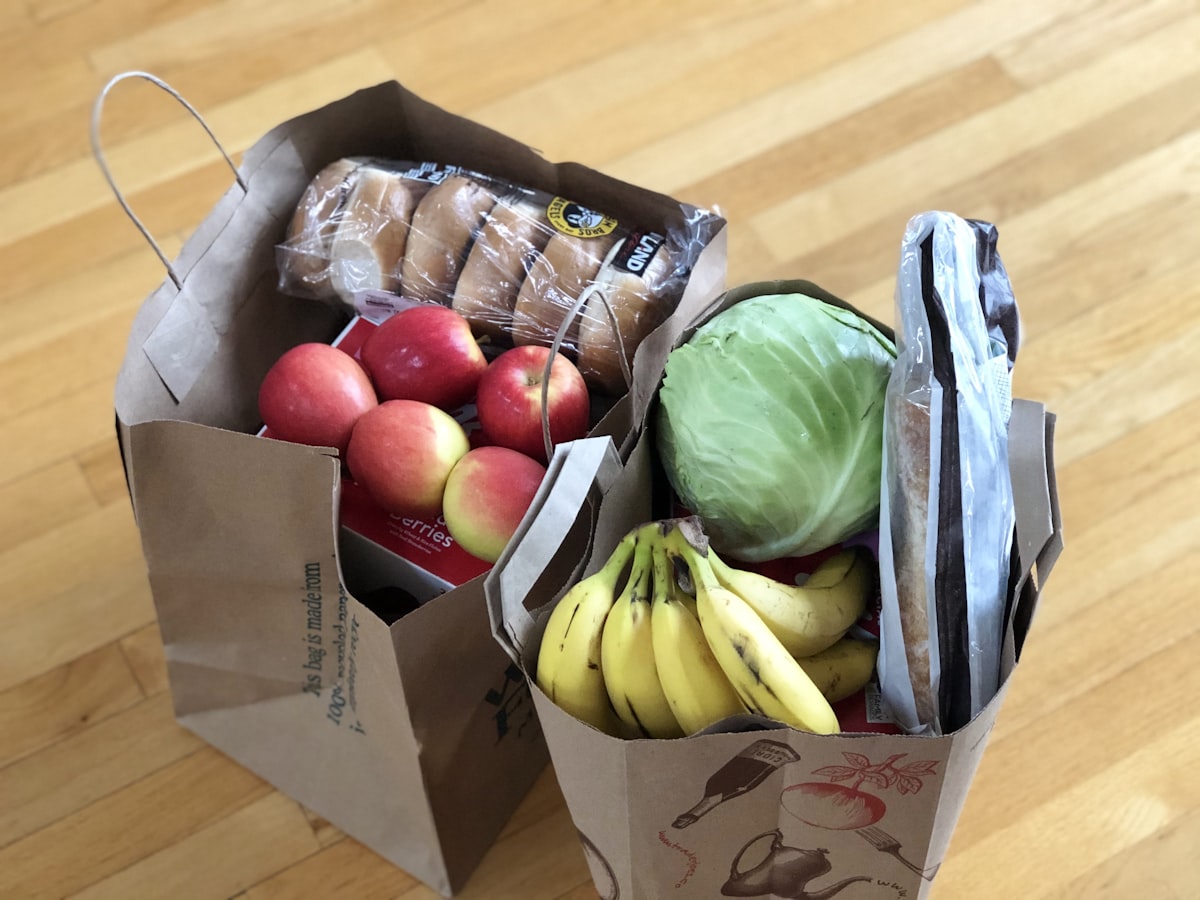
Fact: The foundation of the diet relies on affordable staples like beans, lentils, whole grains, and seasonal vegetables. Frozen vegetables and canned fish are perfectly acceptable and budget-friendly.
Expert Tip
From the Dietitian
Don't try to overhaul your entire kitchen in one day. Start by simply switching your cooking fat from butter to extra virgin olive oil, and commit to eating fish twice a week. Small, sustainable changes are the key to long-term success.
| Food Group | Recommended Frequency | Examples |
|---|---|---|
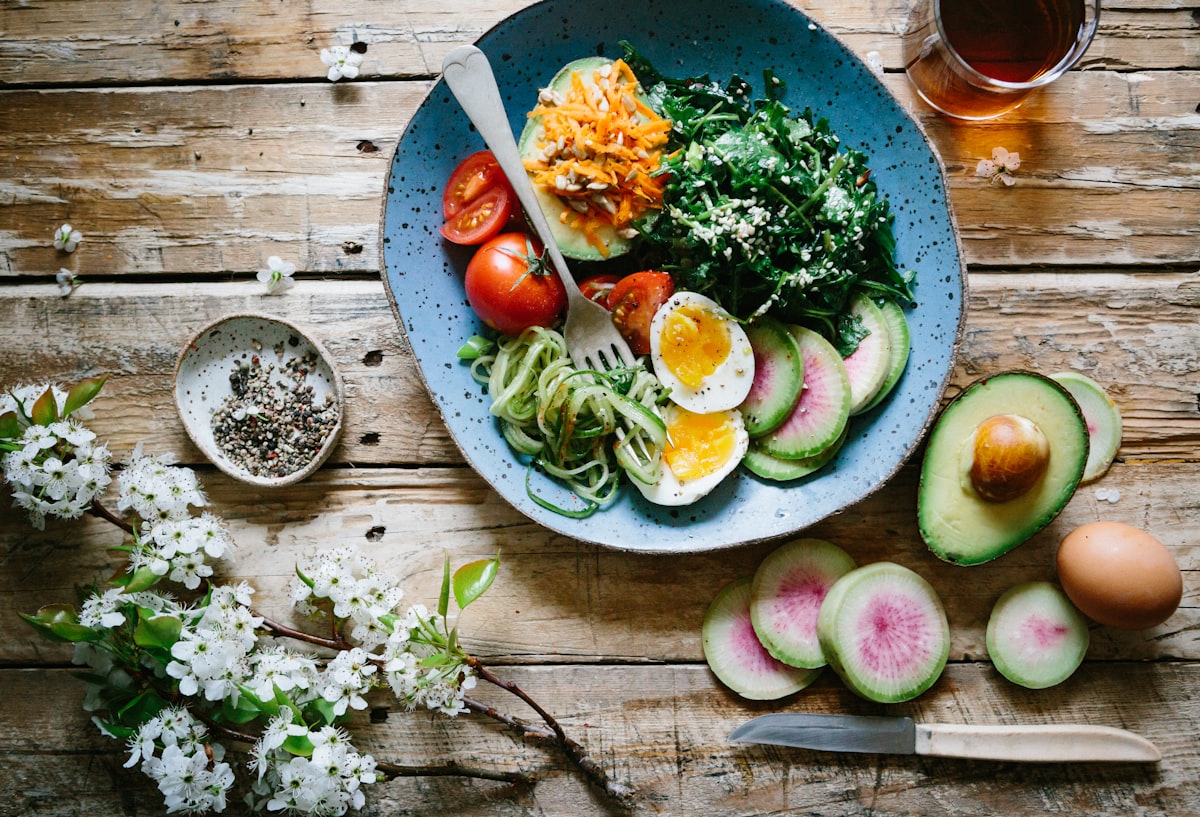
| Vegetables & Fruits | Every meal | Spinach, tomatoes, berries, apples |
| Whole Grains | Daily | Oats, quinoa, whole wheat bread |
| Healthy Fats | Daily | Extra virgin olive oil, walnuts, almonds |
| Fish & Seafood | 2-3 times per week | Salmon, sardines, mackerel |
| Red Meat | Rarely (few times a month) | Beef, pork, lamb |
Common Mistakes to Avoid
- Overeating pasta: The Mediterranean diet uses pasta as a small side dish, not a massive main course.
- Frying in olive oil at high heat: Extra virgin olive oil is best used for low-heat cooking or drizzled over finished dishes.
- Ignoring portion sizes: Nuts and olive oil are incredibly healthy, but they are also calorie-dense.
- Forgetting the social aspect: Traditional Mediterranean eating involves sharing meals with others, which reduces stress and slows down eating speed.
The Bottom Line
The Mediterranean diet is not a restrictive fad; it is a proven, lifelong approach to eating that protects your heart, brain, and joints. Adapting this lifestyle after 60 is one of the most powerful steps you can take for your long-term health.
Frequently Asked Questions
Can I still drink wine?
Yes, in moderation. The traditional diet includes a small glass of red wine with meals, but if you don't drink, there's no need to start. Always check with your doctor if wine interacts with your medications.
Is canned fish okay?
Absolutely. Canned sardines, mackerel, and salmon are excellent, affordable sources of Omega-3s.
What if I don't like olive oil?
You can use avocado oil or canola oil for cooking, and get healthy fats from avocados, nuts, and seeds.
Does this diet help with weight loss?
Yes. While not explicitly a weight-loss diet, the high fiber and healthy fats keep you full longer, often leading to natural, sustainable weight loss.
Are eggs allowed?
Yes, eggs are a great source of protein and can be eaten a few times a week.
How do I get enough calcium?
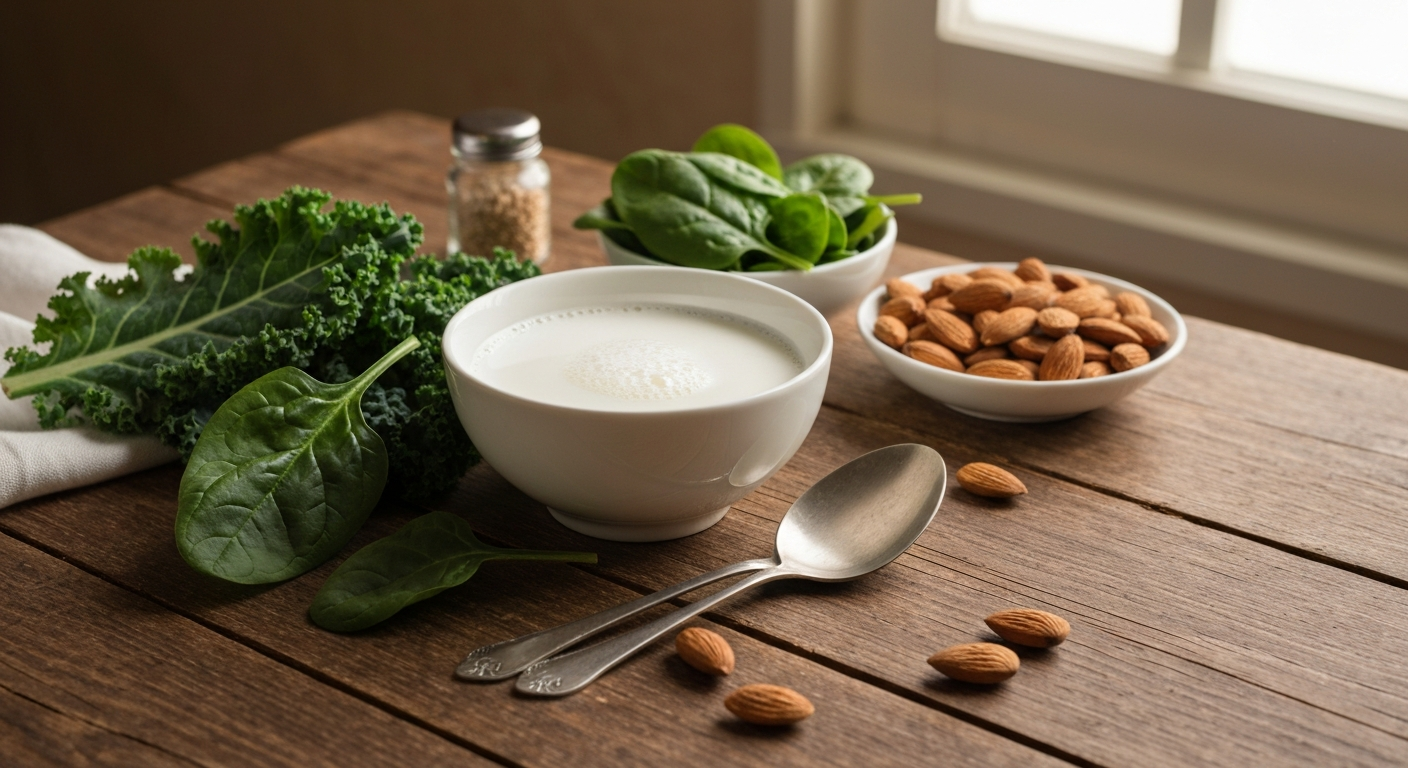
The diet includes moderate amounts of yogurt and cheese, plus calcium-rich leafy greens and almonds.
Sources & References
- American Heart Association. (2023). What is the Mediterranean Diet?
- Mayo Clinic. (2023). Mediterranean diet for heart health.
- National Institute on Aging. (2022). Healthy Eating As You Age.
Table of Contents
Join Our Newsletter
Get weekly health tips delivered to your inbox.
HealthyLivingAfter60 Editorial Team
Our editorial team creates evidence-based educational content focused on healthy aging, nutrition, exercise, chronic disease prevention, and wellness for adults over 60. Content is reviewed for accuracy and supported by trusted medical sources.
Read our Editorial PolicyRelated Articles
10 Calcium-Rich Foods for Strong Bones
8 min read