Foods That Boost Memory
HealthyLivingAfter60 Editorial Team
Reviewed by the HealthyLivingAfter60 Editorial Team
Key Takeaways
- ✅ Focus on the MIND Diet: A hybrid of the Mediterranean and DASH diets, specifically designed to protect brain health.
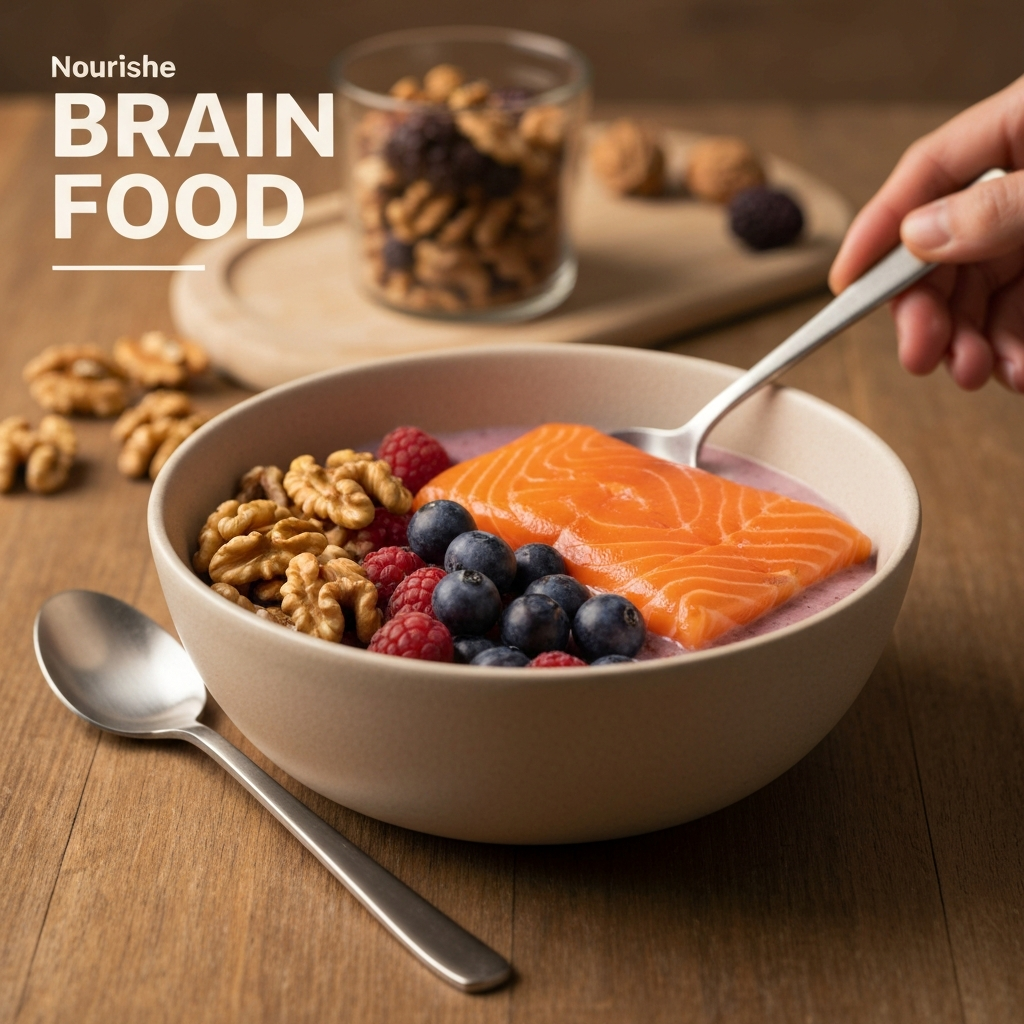
- ✅ Berries are Brain Food: Rich in antioxidants, berries help reduce inflammation and oxidative stress in the brain.
- ✅ Leafy Greens are Essential: Spinach, kale, and collard greens are packed with brain-healthy nutrients like vitamin K, lutein, and folate.
- ✅ Don't Fear Healthy Fats: Omega-3 fatty acids, found in fatty fish and walnuts, are crucial building blocks for the brain.
What you eat directly impacts your brain's health, function, and resilience. Just as a premium car requires high-quality fuel, your brain requires specific nutrients to maintain memory, focus, and cognitive speed as you age.
This guide explores the most powerful brain-boosting foods, backed by scientific research, to help you build a diet that protects against cognitive decline and supports optimal mental performance well into your later years.
Associated with a slower rate of cognitive decline.
Recommended weekly servings of fatty fish.
Protect brain cells from free radical damage.
The Power of the MIND Diet
The MIND diet (Mediterranean-DASH Intervention for Neurodegenerative Delay) highlights foods specifically linked to brain health. It emphasizes leafy greens, all other vegetables, nuts, berries, beans, whole grains, fish, poultry, olive oil, and wine (in moderation).
Research suggests that strictly following the MIND diet can significantly reduce the risk of Alzheimer's disease, and even moderate adherence provides measurable cognitive benefits.
Myth vs. Fact
Myth: Coconut oil cures or prevents Alzheimer's disease.
Fact: There is currently no robust scientific evidence supporting the claim that coconut oil prevents or treats Alzheimer's. In fact, its high saturated fat content may be detrimental.
Expert Tip
From the Dietitian
You don't need expensive supplements to get brain-boosting nutrients. A handful of walnuts and a serving of blueberries daily provide a powerful dose of antioxidants and healthy fats.
| Brain Food | Key Nutrients | Benefits |
|---|---|---|
| Fatty Fish (Salmon, Sardines) | Omega-3 fatty acids (DHA) | Builds brain cell membranes, reduces inflammation |
| Blueberries | Flavonoids, Antioxidants | Improves communication between brain cells |
| Leafy Greens | Vitamin K, Lutein, Folate | Slows cognitive decline |
| Walnuts | ALA Omega-3s, Vitamin E | Protects against oxidative stress |
| Turmeric | Curcumin | Crosses blood-brain barrier, anti-inflammatory |
Common Mistakes to Avoid
- Consuming Too Much Added Sugar: High sugar intake is linked to cognitive decline and reduced brain volume.
- Relying on Processed Foods: Ultra-processed foods lack essential nutrients and promote inflammation.
- Ignoring Hydration: Even mild dehydration can impair focus, memory, and mood.
- Overconsuming Saturated Fats: High intake of saturated fats from red meat and butter can negatively impact brain health.
- Thinking Supplements Replace Food: Nutrients are best absorbed from whole foods, not pills.
The Gut-Brain Axis: Why Digestion Matters for Memory
Emerging research has revealed a profound connection between the health of your digestive system and the health of your brain, known as the gut-brain axis. The trillions of bacteria in your gut produce neurotransmitters, including a significant portion of your body's serotonin, which regulates mood and cognitive function. A diet high in processed foods and sugar disrupts this delicate microbiome, leading to systemic inflammation that can cross the blood-brain barrier and impair memory. Incorporating probiotic-rich foods like kefir, yogurt, and sauerkraut, along with prebiotic fibers, supports a healthy gut, which in turn supports a sharp, resilient mind.
The Impact of Hydration on Cognitive Speed
While we often focus on solid foods, water is arguably the most critical nutrient for the brain. The brain is composed of approximately 73% water. Even mild dehydration—as little as a 2% drop in body water—can cause shrinkage in brain tissue, leading to noticeable impairments in concentration, short-term memory, and processing speed. Because the sensation of thirst naturally diminishes as we age, older adults are particularly vulnerable to chronic, mild dehydration. Making a habit of drinking a large glass of water first thing in the morning and keeping a water bottle nearby throughout the day is a simple but powerful memory-boosting strategy.
Spices and Herbs: Concentrated Brain Protectors
You don't need to eat large quantities of food to get brain-boosting benefits; sometimes, the most powerful compounds come in small packages. Herbs and spices are incredibly dense sources of antioxidants and anti-inflammatory compounds. Turmeric, for example, contains curcumin, a potent compound that has been shown to cross the blood-brain barrier and help clear the amyloid plaques associated with Alzheimer's disease. Other brain-healthy spices include cinnamon (which helps regulate blood sugar), rosemary, and sage. Generously seasoning your meals is an easy, flavorful way to protect your cognitive health.
The Bottom Line
Feeding your brain the right nutrients is a powerful way to protect your cognitive health. By adopting a diet rich in vegetables, berries, nuts, and healthy fats, you can support your brain's resilience against aging.
Frequently Asked Questions
Is coffee good for the brain?
Yes, in moderation. Caffeine and antioxidants in coffee can improve focus and may offer some protection against cognitive decline.
What are the worst foods for brain health?
Trans fats, highly processed foods, foods high in added sugars, and excessive alcohol are detrimental to brain health.
Should I take a DHA supplement?
If you don't eat fish, an algae-based DHA supplement may be beneficial, but discuss it with your doctor first.
Does dark chocolate help memory?
Dark chocolate (70% cocoa or higher) contains flavonoids that increase blood flow to the brain and can improve cognitive function.
How much water should I drink for my brain?
Aim for at least 8 glasses a day, as hydration is critical for optimal brain function and concentration.
Are eggs good for the brain?
Yes, eggs are a rich source of choline, a micronutrient important for memory and mood regulation.
Is red wine really good for the brain?
Red wine contains resveratrol, an antioxidant linked to brain health, and is included in moderation (one glass a day) in the MIND diet. However, excessive alcohol is toxic to the brain. If you don't currently drink, doctors do not recommend starting for health benefits.
Are egg yolks bad for my brain?
No. While they were once demonized for cholesterol, egg yolks are actually one of the best dietary sources of choline. Choline is a precursor to acetylcholine, a neurotransmitter essential for memory, mood, and muscle control.
Does fasting help clear brain fog?
Many people report improved mental clarity during intermittent fasting. When fasting, the body produces ketones, which are a highly efficient fuel source for the brain and may help reduce neuroinflammation.
Sources & References
- Rush University Medical Center. (2022). MIND Diet and Alzheimer's Disease.
- Harvard Health Publishing. (2021). Foods linked to better brainpower.
- National Institute on Aging. (2023). What Do We Know About Diet and Prevention of Alzheimer's Disease?
Further Reading
- Physical Exercise for the Brain
- Mediterranean Diet for Heart Health
- Best Diet Plan for Seniors: A Complete Healthy Eating Guide
Table of Contents
Join Our Newsletter
Get weekly health tips delivered to your inbox.
HealthyLivingAfter60 Editorial Team
Our editorial team creates evidence-based educational content focused on healthy aging, nutrition, exercise, chronic disease prevention, and wellness for adults over 60. Content is reviewed for accuracy and supported by trusted medical sources.
Read our Editorial Policy