Sleep Apnea: Signs You Should Never Ignore
HealthyLivingAfter60 Editorial Team
Reviewed by the HealthyLivingAfter60 Editorial Team
Key Takeaways
- ✅ It's More Than Snoring: While loud snoring is a symptom, the true danger is the silent pauses in breathing followed by gasping or choking.
- ✅ Severe Health Risks: Untreated sleep apnea dramatically increases the risk of high blood pressure, heart attack, stroke, and atrial fibrillation.
- ✅ Daytime Fatigue: Waking up exhausted after 8 hours of sleep is a major red flag.
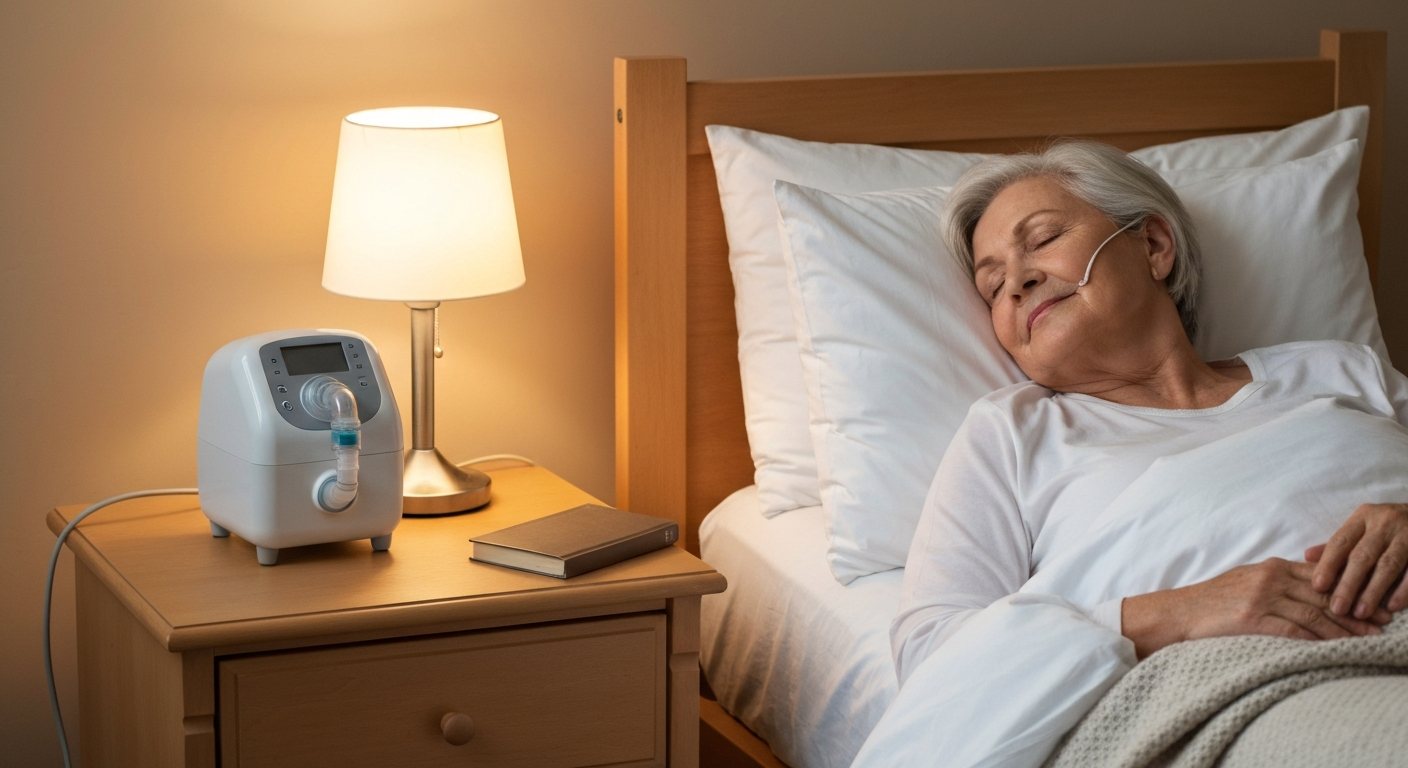
- ✅ Highly Treatable: CPAP therapy remains the gold standard and is highly effective at restoring normal sleep and protecting the heart.
Obstructive Sleep Apnea (OSA) is a serious, potentially life-threatening sleep disorder where your breathing repeatedly stops and starts during the night. For adults over 60, the risk of developing sleep apnea increases significantly due to changes in muscle tone and weight distribution.
Because it happens while you are asleep, many people live with OSA for years without knowing it, attributing their exhaustion to 'just getting older.' This guide highlights the critical warning signs of sleep apnea and explains why seeking treatment is vital for your heart and brain health.
Of adults over 60 have some degree of Obstructive Sleep Apnea.
Increased risk of heart attack or stroke with untreated severe OSA.
Duration of breathing pauses required to be classified as an apnea event.
What Happens During Sleep Apnea?
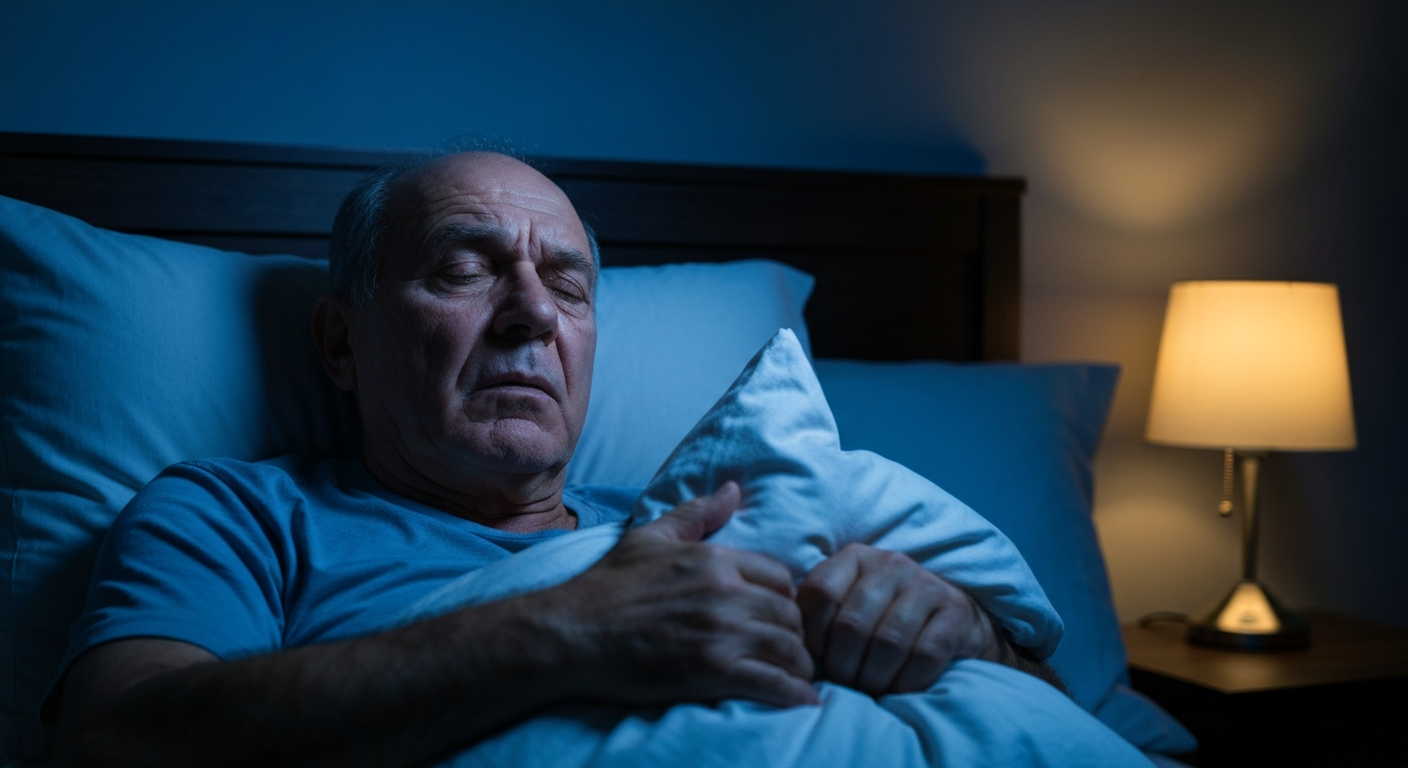
In Obstructive Sleep Apnea, the muscles in the back of your throat relax too much during sleep, causing the airway to collapse. When this happens, oxygen levels in your blood drop. Your brain senses this emergency and briefly wakes you up just enough to reopen your airway—often with a loud snort or gasp.
This cycle can repeat dozens of times per hour. Because these awakenings are so brief, you usually don't remember them, but they completely destroy your sleep architecture, preventing you from ever reaching deep, restorative sleep.
Myth vs. Fact
Myth: Only overweight men get sleep apnea.
Fact: While weight is a risk factor, thin people, women, and older adults frequently develop sleep apnea due to age-related changes in airway muscle tone.
Expert Tip
From the Pulmonologist
If your partner tells you that you stop breathing in your sleep, take it seriously. Partner observation is often the most accurate diagnostic tool we have before a sleep study. Do not brush it off as 'normal heavy sleeping.'
| Symptom | Why It Happens | Severity Indicator |
|---|---|---|
| Loud Snoring | Air squeezing through a narrowed airway. | Moderate (especially if it can be heard through closed doors). |
| Gasping/Choking | The brain forcing you awake to get oxygen. | High (A clear sign of airway obstruction). |
| Morning Headaches | Low oxygen and high carbon dioxide levels in the blood. | High (Indicates significant oxygen drops). |
| Excessive Daytime Sleepiness | Fragmented sleep prevents restorative deep sleep. | High (Increases risk of accidents and falls). |
| Frequent Nighttime Urination | Heart strain triggers hormone release increasing urine production. | Moderate (Often misdiagnosed as prostate issues). |
Common Mistakes to Avoid
- Ignoring Morning Headaches: Waking up with a headache is a classic sign of oxygen deprivation during the night.
- Using Sleeping Pills: Sedatives relax the throat muscles even further, making sleep apnea significantly worse and more dangerous.
- Sleeping on Your Back: The supine position allows gravity to pull the tongue back, blocking the airway.
- Giving Up on CPAP Too Soon: Many people struggle with CPAP masks initially. Work with your doctor to try different mask styles before giving up on this life-saving treatment.
The Bottom Line
Sleep apnea is not just a snoring problem; it is a cardiovascular threat. If you experience daytime exhaustion, loud snoring, or gasping during sleep, request a sleep study from your doctor immediately.
Frequently Asked Questions
How is sleep apnea diagnosed?
It is diagnosed through a sleep study (polysomnography), which can often be done with a simple monitor in your own bed at home.
Are there alternatives to CPAP?
Yes, for mild to moderate OSA, custom dental appliances that pull the jaw forward can be effective. Severe cases usually require CPAP.
Does losing weight cure sleep apnea?
Weight loss can significantly reduce the severity of OSA, and in some mild cases, it may cure it entirely.
Can sleep apnea cause memory loss?
Yes, chronic oxygen deprivation and fragmented sleep severely impact cognitive function and memory consolidation.
Is sleep apnea hereditary?
Yes, genetics play a role in the physical structure of your face, jaw, and airway, which can increase your risk.
Sources & References
- American Academy of Sleep Medicine. (2023). Obstructive Sleep Apnea.
- Mayo Clinic. (2022). Sleep apnea - Symptoms and causes.
- National Heart, Lung, and Blood Institute. (2022). Sleep Apnea.
Table of Contents
Join Our Newsletter
Get weekly health tips delivered to your inbox.
HealthyLivingAfter60 Editorial Team
Our editorial team creates evidence-based educational content focused on healthy aging, nutrition, exercise, chronic disease prevention, and wellness for adults over 60. Content is reviewed for accuracy and supported by trusted medical sources.
Read our Editorial PolicyRelated Articles