Common Causes of Insomnia After 60
HealthyLivingAfter60 Editorial Team
Reviewed by the HealthyLivingAfter60 Editorial Team
Key Takeaways
- ✅ Medical Conditions: Chronic pain, arthritis, and neuropathy are leading causes of nighttime awakenings.
- ✅ Medication Side Effects: Many common prescriptions, including blood pressure meds and antidepressants, can disrupt sleep.
- ✅ Sleep Disorders: Conditions like sleep apnea and restless legs syndrome become much more common with age.
- ✅ Mental Health: Anxiety, depression, and stress significantly interfere with the ability to fall and stay asleep.
Insomnia—the inability to fall asleep or stay asleep—is one of the most common complaints among older adults. While occasional sleepless nights are normal, chronic insomnia can severely impact your quality of life, mood, and physical health.
Finding a solution requires identifying the root cause. For adults over 60, insomnia is rarely just 'in your head.' It is often linked to underlying medical conditions, medications, or specific lifestyle factors. This guide explores the most frequent culprits and how to address them.
Of adults over 60 experience symptoms of insomnia.
Medication side effects are among the top 3 causes of senior insomnia.
Of depression cases in older adults present with insomnia as a symptom.
Medical and Physical Causes
Physical discomfort is a primary driver of insomnia. Conditions like osteoarthritis, back pain, and neuropathy can make it impossible to find a comfortable sleeping position. Additionally, nocturia (the need to urinate frequently at night) due to an enlarged prostate or overactive bladder repeatedly interrupts the sleep cycle.
Respiratory conditions like asthma or COPD, and cardiovascular issues like congestive heart failure, can cause shortness of breath when lying flat, leading to severe sleep anxiety and insomnia.
Myth vs. Fact
Myth: Insomnia is just a normal part of getting older.
Fact: While sleep patterns change, chronic insomnia is a medical issue that requires diagnosis and treatment, not something you just have to accept.
Expert Tip
From the Pharmacist
Review your medications with your doctor or pharmacist. Drugs like beta-blockers, SSRI antidepressants, thyroid medications, and even over-the-counter decongestants can cause insomnia. Sometimes, simply changing the time of day you take a pill can solve your sleep problem.
| Potential Cause | Examples | Action Step |
|---|---|---|
| Chronic Pain | Arthritis, neuropathy, back pain | Discuss pain management strategies with your doctor; try different sleep positions. |
| Medications | Beta-blockers, diuretics, antidepressants | Ask your pharmacist for a medication review focusing on sleep side effects. |
| Sleep Disorders | Sleep apnea, Restless Legs Syndrome | Request a referral to a sleep specialist for a formal sleep study. |
| Mental Health | Anxiety, depression, grief | Consider Cognitive Behavioral Therapy for Insomnia (CBT-I), highly effective for older adults. |
| Lifestyle Factors | Late caffeine, heavy evening meals, irregular schedule | Implement strict sleep hygiene and a consistent bedtime routine. |
Common Mistakes to Avoid
- Self-Medicating with Alcohol: A 'nightcap' might help you fall asleep, but it severely disrupts the second half of your sleep cycle.
- Relying on Sleeping Pills: Long-term use of sedatives can lead to dependence, grogginess, and an increased risk of falls.
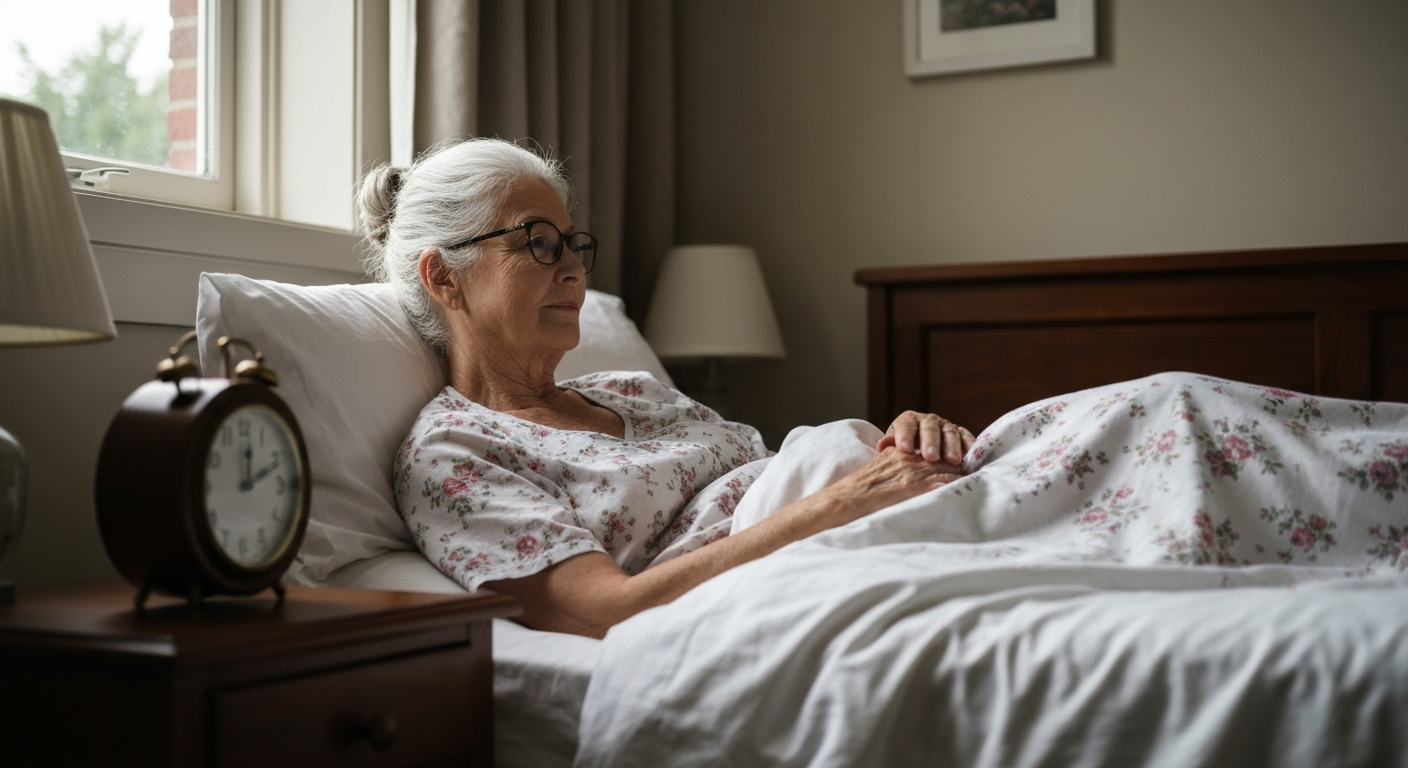
- Clock-Watching: Staring at the clock increases anxiety. Turn the clock around so you can't see the time.
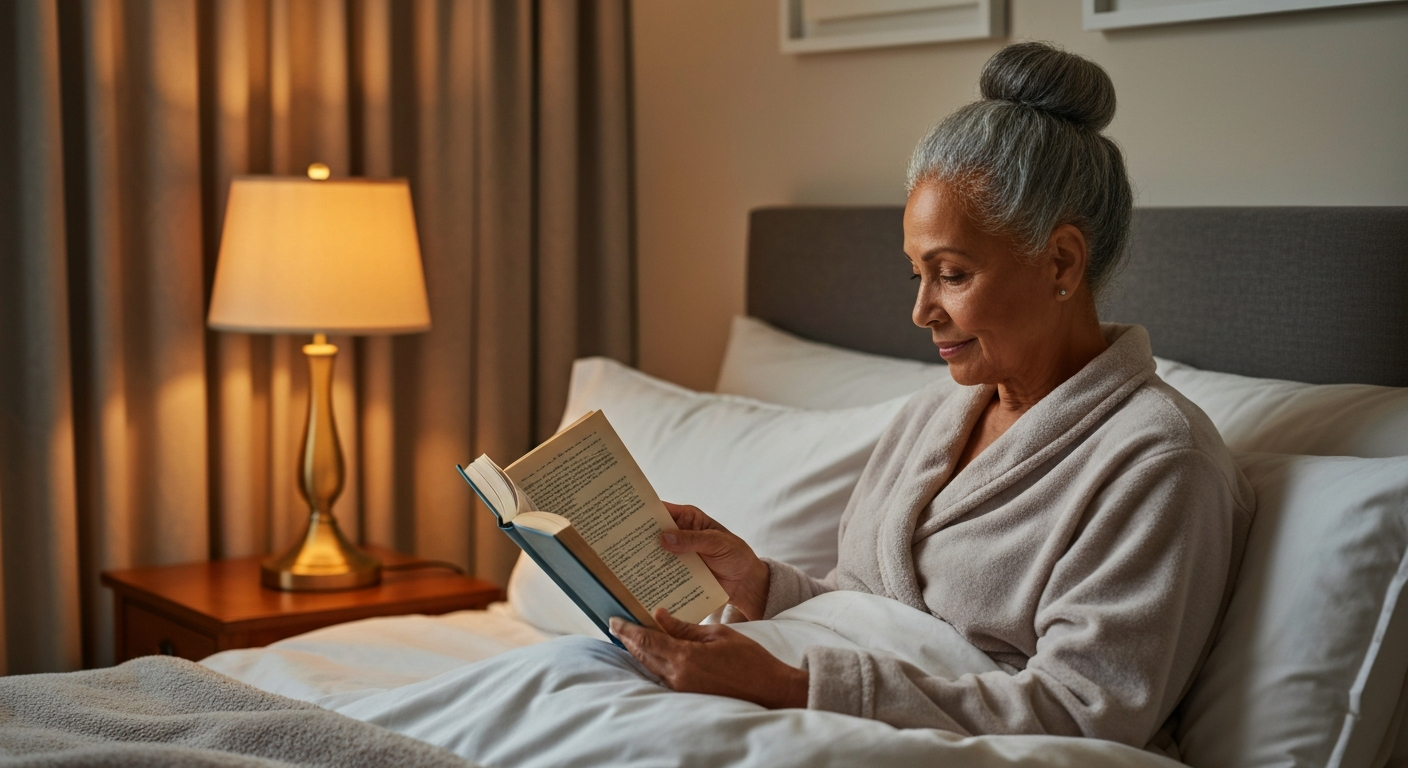
- Staying in Bed Frustrated: If you are awake for more than 20 minutes, get up, go to another room, and read under dim light until sleepy.
The Vicious Cycle of Sleep Anxiety
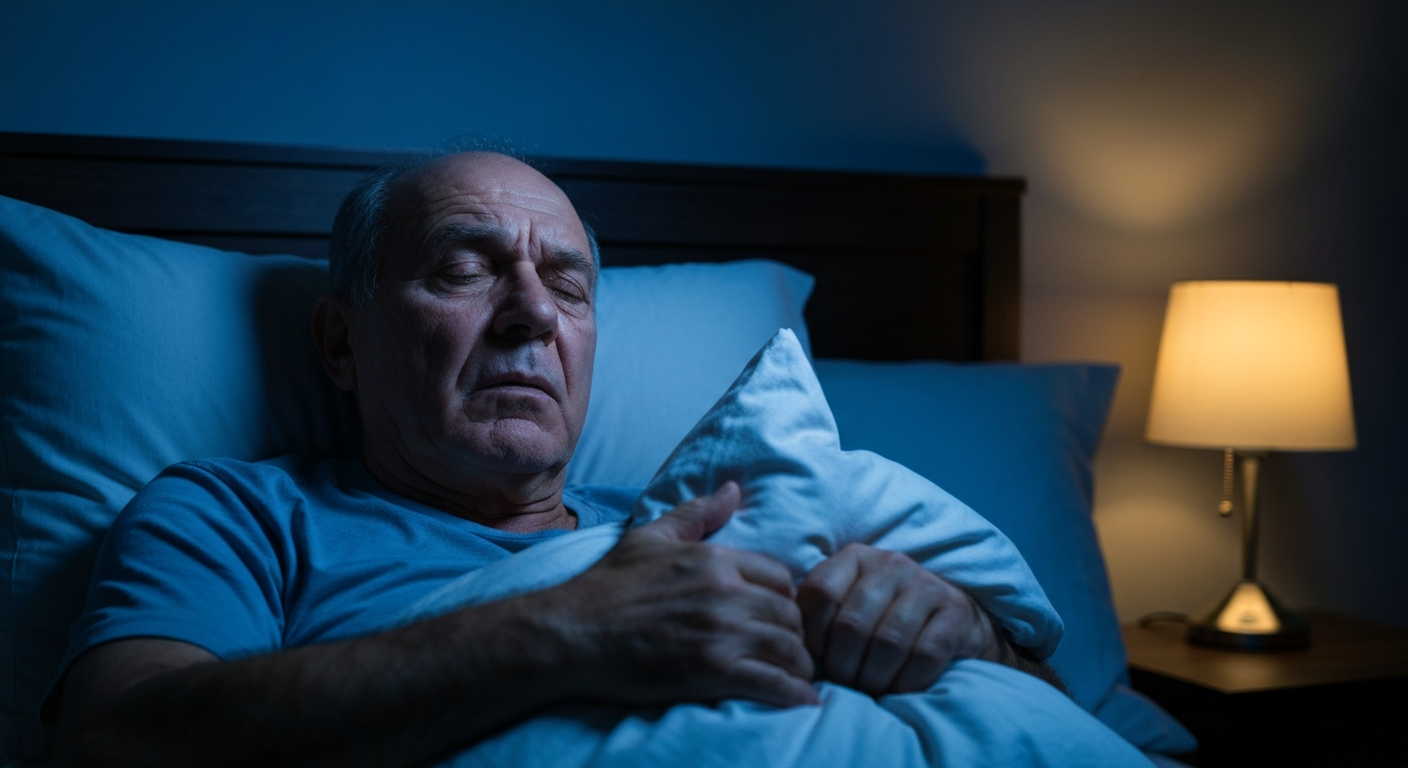
One of the most potent drivers of chronic insomnia is the anxiety about not sleeping. After a few nights of poor sleep, older adults often start dreading bedtime. They get into bed and immediately start worrying about how exhausted they will be the next day. This performance anxiety triggers the release of adrenaline and cortisol, putting the brain in a state of hyperarousal. Breaking this cycle often requires Cognitive Behavioral Therapy for Insomnia (CBT-I), which teaches techniques to re-associate the bed with relaxation rather than stress.
Undiagnosed Sleep Apnea
Obstructive Sleep Apnea (OSA) becomes significantly more common with age due to changes in muscle tone in the airway. Many seniors have OSA and don't realize it because they don't exhibit classic symptoms like loud snoring. Instead, they may simply wake up frequently feeling unrefreshed, or experience morning headaches and dry mouth. Sleep apnea causes the brain to partially wake up dozens of times an hour to restart breathing, completely destroying sleep quality and heavily contributing to insomnia-like symptoms.
The Hidden Impact of Diet and Digestion
As digestion slows with age, eating heavy or spicy meals too close to bedtime can cause gastroesophageal reflux disease (GERD) or silent reflux. Even if you don't feel classic heartburn, acid backing up into the esophagus can cause micro-awakenings and a chronic cough at night. Furthermore, older adults are often more sensitive to caffeine and alcohol. A cup of coffee at 3 PM might not have affected you in your 40s, but in your 60s, it can stay in your system long enough to prevent you from falling asleep at 10 PM.
The Bottom Line
Don't accept chronic insomnia as a normal part of aging. By identifying the specific physical, medical, or psychological causes, you and your doctor can develop an effective treatment plan.
Frequently Asked Questions
Is it bad to take Benadryl (diphenhydramine) for sleep?
Yes, medical guidelines strongly advise against older adults using diphenhydramine for sleep due to risks of confusion, dry mouth, and falls.
What is CBT-I?
Cognitive Behavioral Therapy for Insomnia is a structured program that helps you identify and replace thoughts and behaviors that cause or worsen sleep problems.
Can anxiety cause insomnia even if I don't feel stressed?
Yes, subconscious anxiety or a racing mind at night (hyperarousal) is a leading cause of sleep onset insomnia.
Why do I fall asleep fine but wake up at 3 AM?
Sleep maintenance insomnia is often caused by alcohol, blood sugar drops, pain, or an advanced circadian rhythm.
Should I watch TV if I can't sleep?
No, the blue light and engaging content stimulate the brain. Reading a physical book under dim light is much better.
Can lack of sunlight cause insomnia?
Yes. Exposure to bright natural sunlight in the morning is crucial for setting your circadian rhythm. Seniors who spend most of their time indoors often suffer from insomnia because their brain's internal clock becomes desynchronized.
Are over-the-counter sleep aids like Tylenol PM safe?
Most OTC sleep aids rely on diphenhydramine (an antihistamine). For seniors, these are highly discouraged as they can cause severe morning grogginess, dry mouth, confusion, and significantly increase the risk of falls.
How does menopause affect sleep?
The drop in estrogen and progesterone during and after menopause can cause hot flashes and night sweats, leading to severe sleep disruption. Hormone fluctuations also directly affect the brain's sleep-regulating centers.
Sources & References
- National Institute on Aging. (2022). Insomnia.
- Mayo Clinic. (2023). Insomnia - Symptoms and causes.
- American College of Physicians. (2016). Management of Chronic Insomnia Disorder in Adults.
Table of Contents
Join Our Newsletter
Get weekly health tips delivered to your inbox.
HealthyLivingAfter60 Editorial Team
Our editorial team creates evidence-based educational content focused on healthy aging, nutrition, exercise, chronic disease prevention, and wellness for adults over 60. Content is reviewed for accuracy and supported by trusted medical sources.
Read our Editorial PolicyRelated Articles