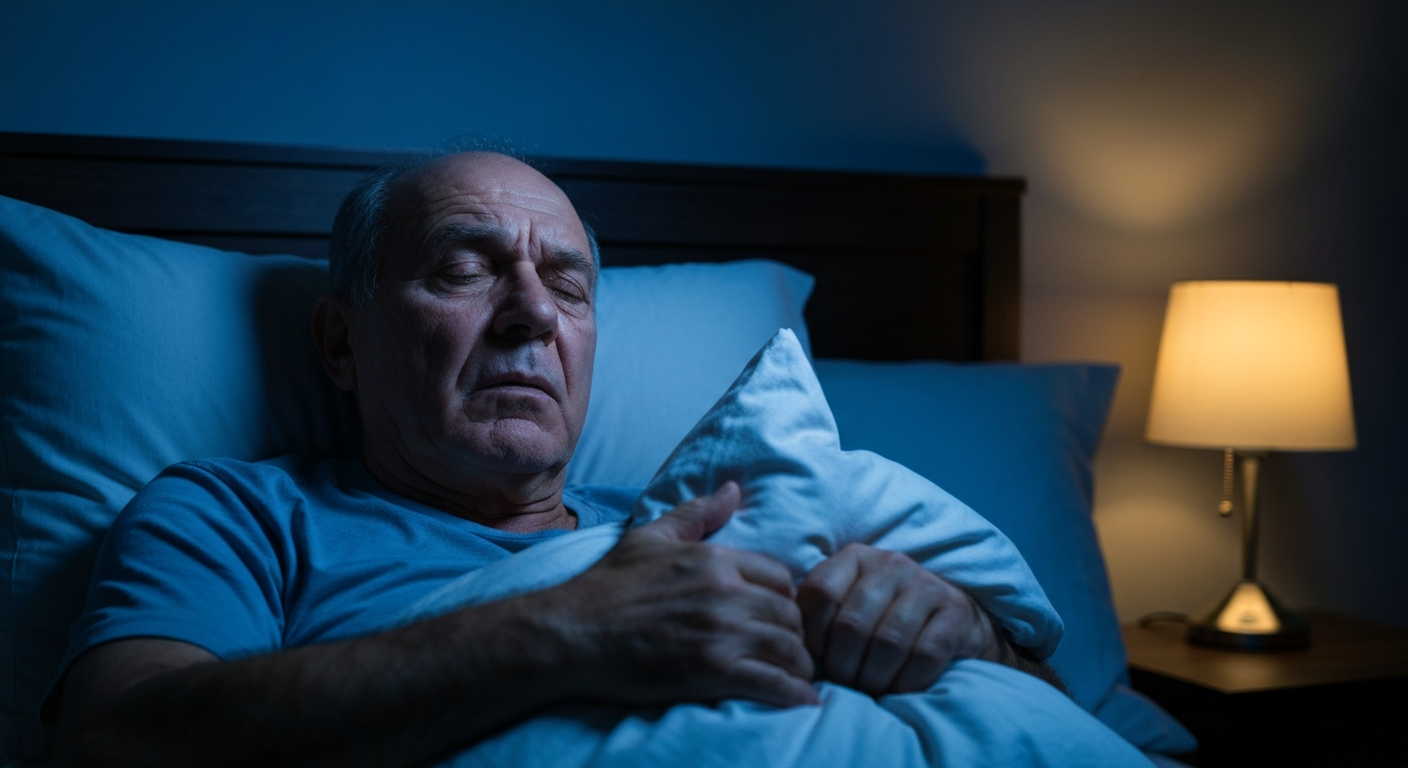
Sleep and Blood Sugar: The Hidden Connection
HealthyLivingAfter60 Editorial Team
Reviewed by the HealthyLivingAfter60 Editorial Team
Key Takeaways
- ✅ Insulin Resistance: Just a few nights of poor sleep can make your cells less responsive to insulin, driving up blood sugar levels.
- ✅ Cortisol Spikes: Sleep deprivation increases the stress hormone cortisol, which tells your liver to release more glucose into the blood.
- ✅ Appetite Changes: Lack of sleep increases ghrelin (the hunger hormone) and decreases leptin (the fullness hormone), leading to sugar cravings.
- ✅ The Vicious Cycle: High blood sugar causes frequent nighttime urination (nocturia), which ruins sleep, which in turn worsens blood sugar.
If you are struggling to manage your blood sugar or A1C, the missing puzzle piece might be your sleep. The relationship between sleep and glucose metabolism is deeply intertwined, yet frequently overlooked by both patients and doctors.
Poor sleep doesn't just make you tired; it actively changes how your body processes insulin and carbohydrates. This guide explains the biological link between sleep deprivation and blood sugar spikes, and how improving your rest can help prevent or manage type 2 diabetes.
Decrease in insulin sensitivity after just a few days of sleep restriction.
Extra calories (mostly carbs) typically consumed by sleep-deprived adults.
Optimal sleep duration for maintaining stable A1C levels.
How Sleep Loss Alters Metabolism
During healthy, deep sleep, your brain requires less glucose, and your nervous system calms down. When you are sleep-deprived, your body perceives it as a state of stress. To combat this stress, your body releases cortisol and adrenaline.
These stress hormones have a direct anti-insulin effect. They prompt the liver to dump stored glucose into the bloodstream to provide 'emergency' energy. At the same time, they make your muscle and fat cells resistant to insulin, meaning that glucose stays trapped in your blood instead of being used for energy. The result is a significant spike in fasting morning blood sugar.
Myth vs. Fact
Myth: If you have diabetes, you just have to accept that you'll sleep poorly.
Fact: While diabetes can complicate sleep (due to neuropathy or nocturia), these symptoms can be managed. Improving sleep is a critical tool for controlling the diabetes itself.
Expert Tip
From the Endocrinologist
If you notice your morning fasting blood sugar is inexplicably high, look at how you slept the night before. Treating sleep apnea or insomnia is often the most effective 'medication' I can prescribe for stubborn morning hyperglycemia.
| Sleep Disruption | Metabolic Effect | Result on Blood Sugar |
|---|---|---|
| Short Sleep (< 6 hours) | Increases cortisol and adrenaline. | Higher fasting morning glucose. |
| Fragmented Sleep | Decreases deep sleep; lowers insulin sensitivity. | Higher post-meal glucose spikes the next day. |
| Sleep Apnea | Severe oxygen drops cause massive stress response. | Severe insulin resistance; high risk of Type 2 Diabetes. |
| Shift Work / Irregular Hours | Disrupts circadian rhythm of insulin release. | Erratic blood sugar levels and weight gain. |
Common Mistakes to Avoid
- Eating Late-Night Carbs: Snacking on carbs to 'help you sleep' will cause a blood sugar spike and a subsequent crash that wakes you up.
- Ignoring Thirst at Night: Waking up extremely thirsty and needing to urinate frequently are signs of uncontrolled high blood sugar, not just aging.
- Blaming Only Diet: If your diet is perfect but your A1C is rising, poor sleep is a primary suspect.
- Skipping Sleep to Exercise: Waking up at 4 AM to exercise when you only went to bed at midnight does more harm to your blood sugar than good.
The Bottom Line
Quality sleep is just as important as diet and medication for managing blood sugar. Prioritizing 7 to 8 hours of rest is a powerful, natural way to improve insulin sensitivity and lower your A1C.
Frequently Asked Questions
Can lack of sleep cause Type 2 diabetes?
Yes, chronic sleep deprivation is an independent risk factor for developing Type 2 diabetes, even if you have a healthy diet and weight.
Why do I crave sweets when I'm tired?
Sleep loss increases ghrelin (hunger hormone) and alters brain activity, making high-calorie, sugary foods more appealing and harder to resist.
Does low blood sugar affect sleep?
Yes, nocturnal hypoglycemia (low blood sugar at night) triggers an adrenaline release that will abruptly wake you up, often with a racing heart and sweating.
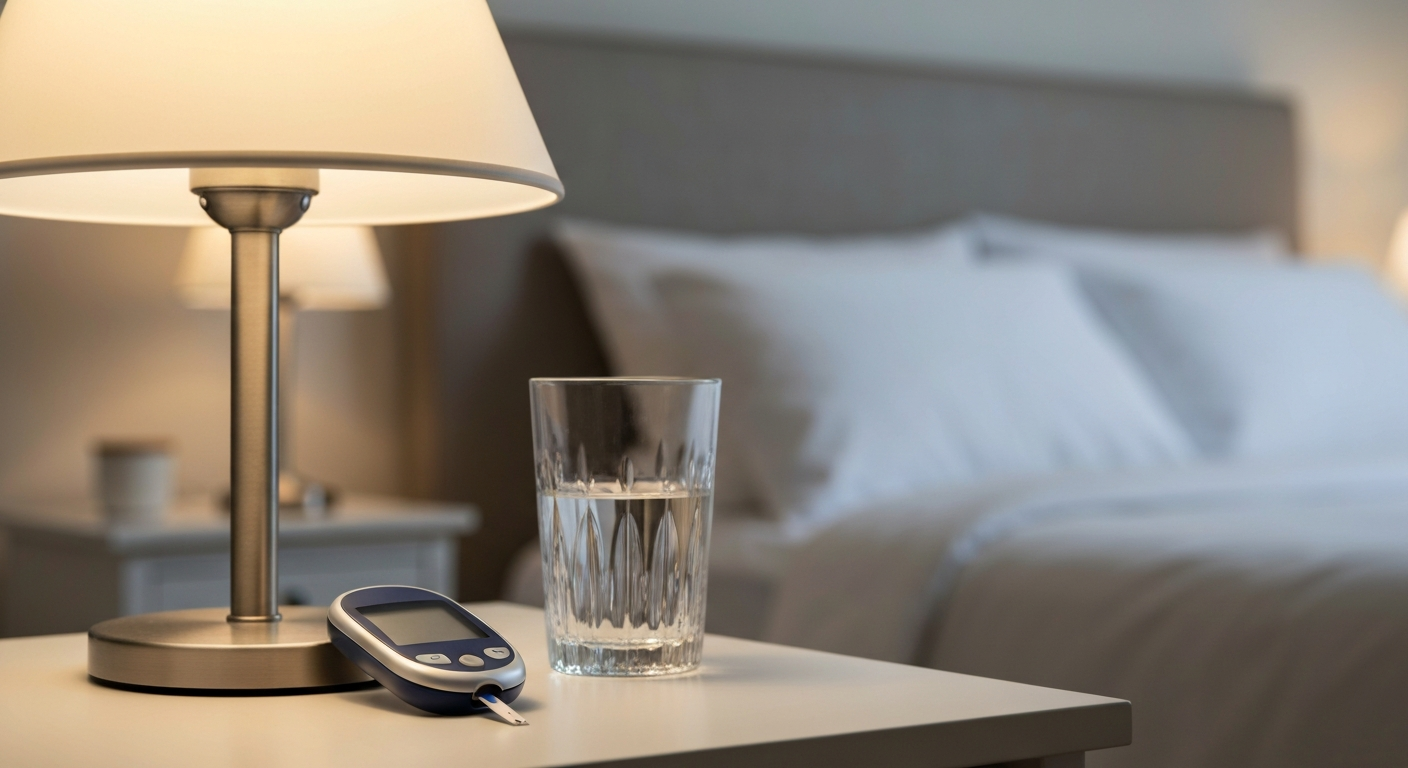
Should I check my blood sugar if I wake up at 3 AM?
If you wake up sweating, shaking, or with a racing heart, yes, check it to ensure you aren't experiencing hypoglycemia.
Will melatonin affect my blood sugar?
Standard doses of melatonin do not significantly impact blood sugar, but always consult your doctor, as some gummies contain added sugars.
Sources & References
- Centers for Disease Control and Prevention (CDC). (2022). Sleep and Your Blood Sugar.
- American Diabetes Association. (2023). Sleep and Diabetes.
- National Institute of Diabetes and Digestive and Kidney Diseases. (2021). The Impact of Sleep on Metabolism.
Table of Contents
Join Our Newsletter
Get weekly health tips delivered to your inbox.
HealthyLivingAfter60 Editorial Team
Our editorial team creates evidence-based educational content focused on healthy aging, nutrition, exercise, chronic disease prevention, and wellness for adults over 60. Content is reviewed for accuracy and supported by trusted medical sources.
Read our Editorial PolicyRelated Articles