Restless Legs Syndrome Explained
HealthyLivingAfter60 Editorial Team
Reviewed by the HealthyLivingAfter60 Editorial Team

Key Takeaways
- ✅ It's Neurological, Not Muscular: RLS originates in the brain, often related to how the body processes dopamine and iron.
- ✅ Timing is Everything: Symptoms almost exclusively occur in the evening or at night when you are resting or trying to sleep.
- ✅ Movement Brings Relief: The defining characteristic of RLS is that the uncomfortable sensations are temporarily relieved by walking or stretching.
- ✅ Check Your Iron: Low iron levels in the brain are a primary cause of RLS, even if your standard blood tests look normal.
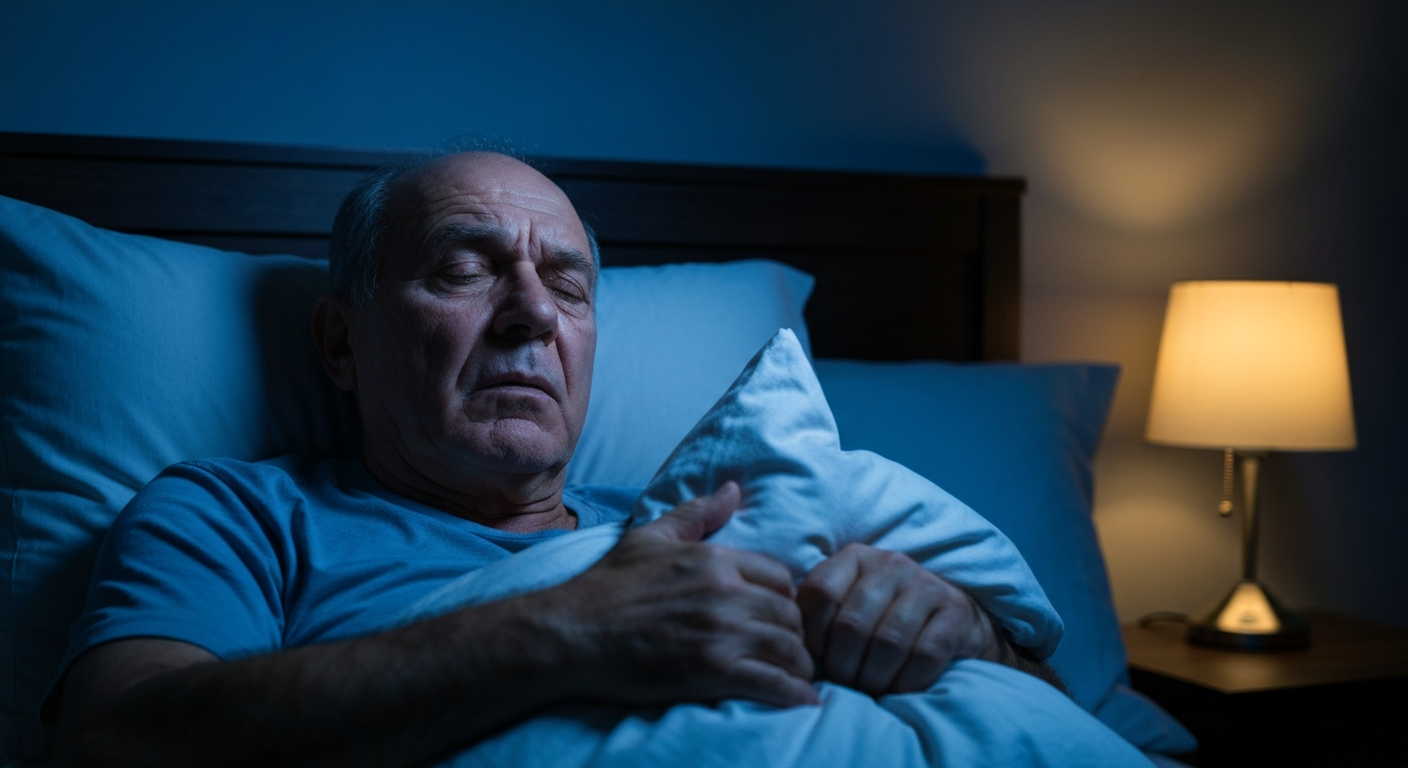
If you experience an overwhelming, uncomfortable urge to move your legs the moment you lie down to sleep, you are likely dealing with Restless Legs Syndrome (RLS). This neurological disorder becomes significantly more common and severe as we age, robbing millions of older adults of a good night's sleep.
RLS is often misdiagnosed as muscle cramps or arthritis, but it requires a completely different treatment approach. This guide explains the unique symptoms of RLS, the underlying biological causes, and the most effective strategies for finding relief so you can finally rest.
Of adults over 65 suffer from Restless Legs Syndrome.
The iron storage protein that must be checked if you have RLS.
The time of day when RLS symptoms peak.
Understanding the Symptoms
People with RLS struggle to describe the sensation. It is rarely described as a 'cramp' or sharp pain. Instead, it feels like a creeping, crawling, pulling, or itching sensation deep inside the calves or thighs. The urge to move is irresistible. Once you move, stretch, or walk, the sensation stops—but it returns the moment you lie still again.
This constant need to move severely disrupts sleep onset. Furthermore, about 80% of people with RLS also have Periodic Limb Movement of Sleep (PLMS), where their legs twitch or jerk involuntarily every 20-40 seconds throughout the night, destroying sleep quality.
Myth vs. Fact
Myth: RLS is just poor circulation in the legs.
Fact: RLS has nothing to do with blood flow. It is a neurological condition related to the brain's basal ganglia and how it handles dopamine.
Expert Tip
From the Neurologist
Review your medicine cabinet. Over-the-counter sleep aids containing diphenhydramine (like Benadryl or Tylenol PM), cold medicines, and many older antidepressants can dramatically worsen RLS symptoms. Stopping these medications is often the first step in treatment.
| Treatment Approach | Examples | How It Helps |
|---|---|---|
| Lifestyle Changes | Avoiding alcohol, caffeine, and nicotine. | Removes triggers that excite the nervous system. |
| Physical Relief | Warm baths, leg massage, moderate exercise. | Provides sensory input that temporarily blocks RLS signals. |
| Iron Supplementation | Prescription iron pills or IV iron. | Corrects brain iron deficiency (must be guided by a doctor). |
| Dopamine Agonists | Pramipexole, Ropinirole. | Prescription drugs that increase dopamine in the brain. |
| Nerve Pain Medications | Gabapentin, Pregabalin. | Calms overactive nerve signals in the legs. |
Common Mistakes to Avoid
- Treating it Like a Cramp: Potassium or magnesium won't cure RLS, because it is a neurological dopamine issue, not a muscle cramp.
- Drinking Alcohol to Sleep: Alcohol severely triggers and worsens RLS symptoms.
- Consuming Caffeine Late in the Day: Caffeine excites the nervous system and can trigger an RLS episode.
- Ignoring Iron Levels: Do not assume your iron is fine just because you aren't anemic. RLS requires higher-than-normal ferritin levels in the blood to supply the brain.
The Bottom Line
You do not have to suffer through sleepless nights pacing the floor. RLS is a highly treatable neurological condition, and working with a doctor to check your iron and adjust your medications can provide immense relief.
Frequently Asked Questions
Is RLS the same as a charley horse?
No. A charley horse is a painful, sudden muscle spasm. RLS is an uncomfortable, creeping urge to move the leg.
Can a weighted blanket help RLS?
Many people with RLS report that the deep pressure of a weighted blanket helps calm the sensations in their legs.
Does stretching before bed cure RLS?
Stretching, yoga, and massage can temporarily relieve symptoms and help you fall asleep, but they do not 'cure' the underlying neurological cause.
Why does RLS only happen at night?
Dopamine levels naturally drop in the evening, and you are less distracted by daytime activities, making the brain more susceptible to the RLS signals.
Can RLS affect the arms?
Yes, in severe cases, the creeping sensations and urge to move can spread to the arms or even the torso.
Sources & References
- National Institute of Neurological Disorders and Stroke. (2023). Restless Legs Syndrome Fact Sheet.
- Mayo Clinic. (2022). Restless legs syndrome - Symptoms and causes.
- Restless Legs Syndrome Foundation. (2022). Causes and Treatments.
Table of Contents
Join Our Newsletter
Get weekly health tips delivered to your inbox.
HealthyLivingAfter60 Editorial Team
Our editorial team creates evidence-based educational content focused on healthy aging, nutrition, exercise, chronic disease prevention, and wellness for adults over 60. Content is reviewed for accuracy and supported by trusted medical sources.
Read our Editorial PolicyRelated Articles