Napping After 60: Helpful or Harmful?
HealthyLivingAfter60 Editorial Team
Reviewed by the HealthyLivingAfter60 Editorial Team
Key Takeaways
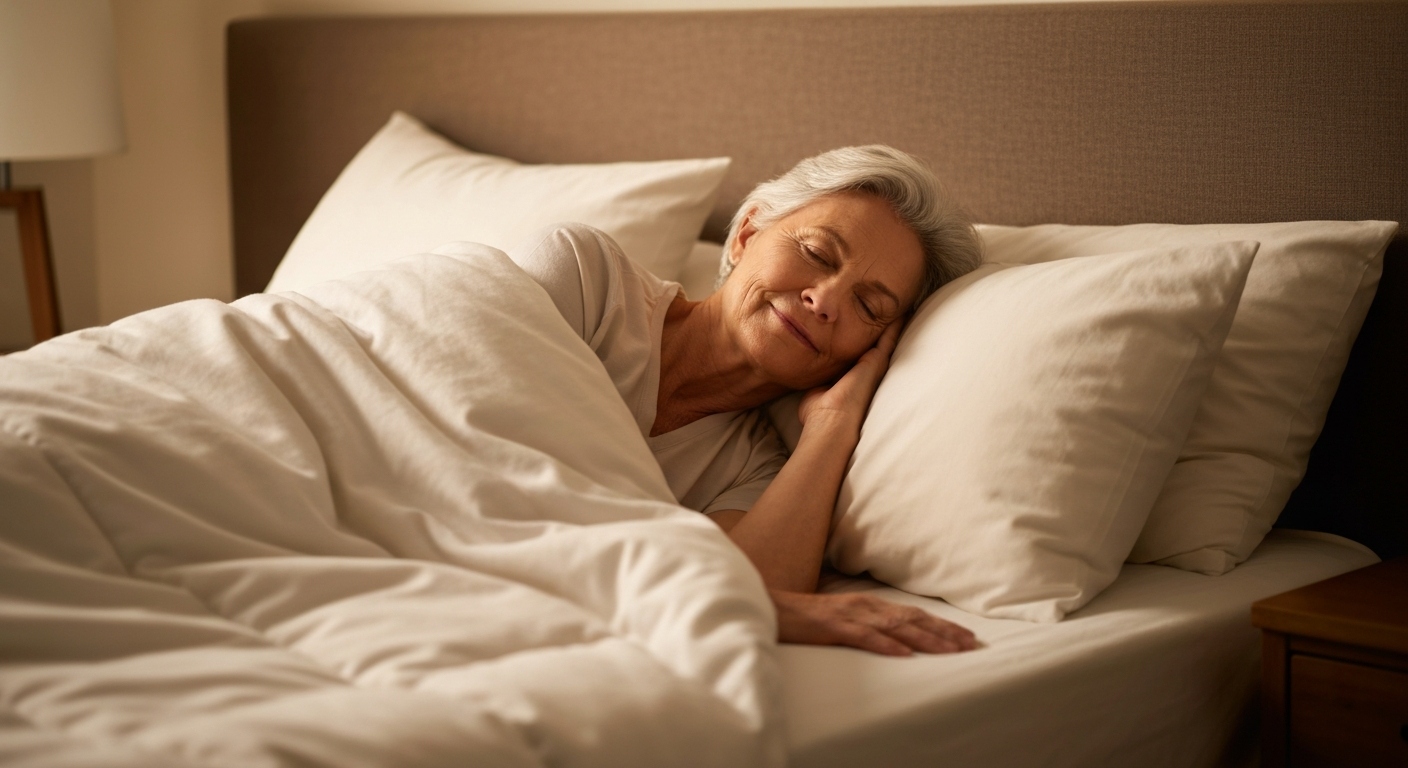
- ✅ The 20-Minute Rule: Short 'power naps' (20-30 minutes) improve alertness without causing sleep inertia (grogginess).
- ✅ Avoid Late Naps: Napping after 3:00 PM decreases your 'sleep drive,' making it harder to fall asleep at night.
- ✅ Beware of Long Naps: Napping for more than an hour can indicate underlying health issues or poor nighttime sleep quality.
- ✅ Consistency: If you nap, try to do it at the same time every day to keep your circadian rhythm stable.
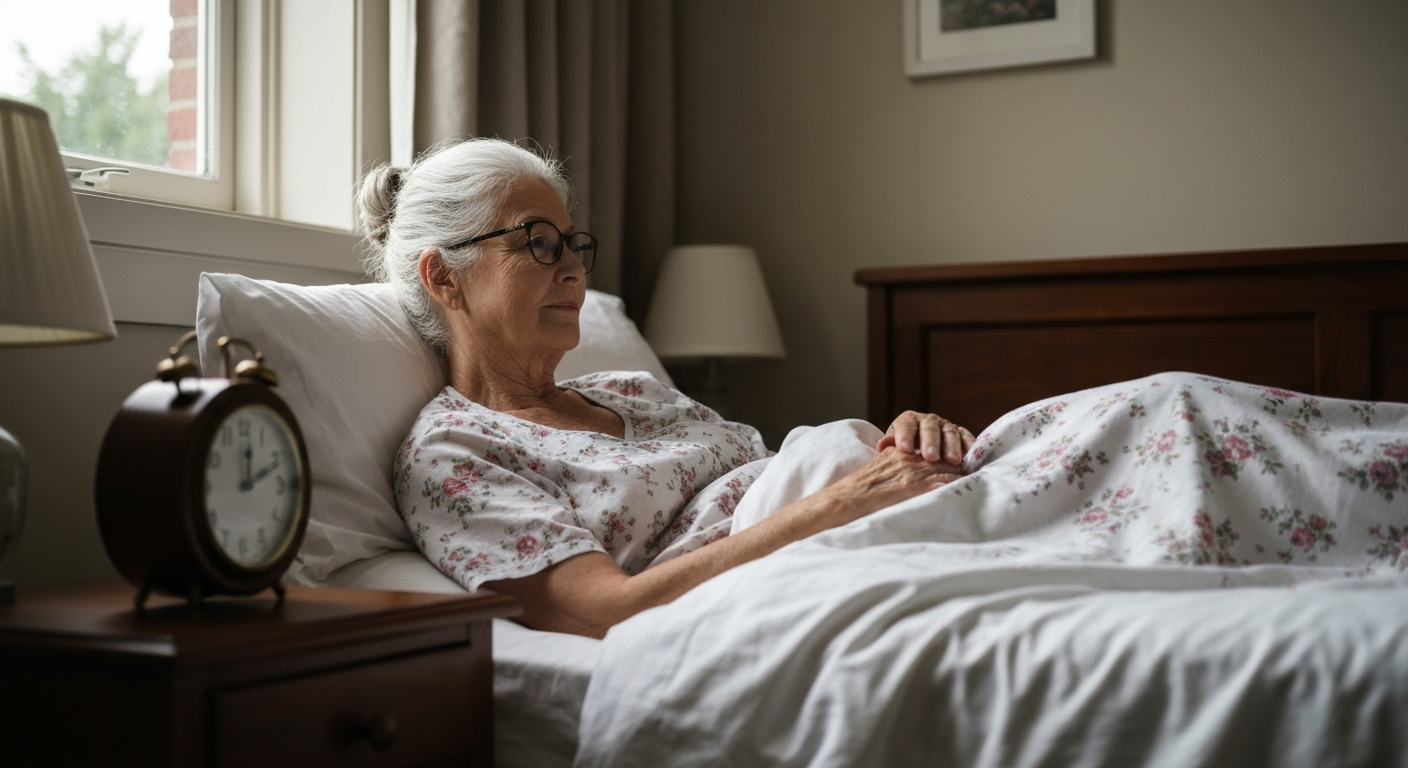
The afternoon nap is a subject of much debate. For some adults over 60, a quick snooze provides a much-needed energy boost. For others, it ruins nighttime sleep and leaves them feeling groggy for hours.
So, is napping good for your health? The answer depends entirely on the length of the nap, the time of day, and your overall health. This guide breaks down the science of napping and how to do it correctly without sabotaging your nighttime rest.
The ideal length for a restorative power nap.
The cutoff time for napping to avoid nighttime insomnia.
Improved cognitive performance after a short nap compared to no nap.
The Science of Sleep Drive
Your body regulates sleep through two systems: the circadian rhythm (your body clock) and sleep drive (homeostatic sleep pressure). From the moment you wake up, a chemical called adenosine builds up in your brain, increasing your 'hunger' for sleep. By bedtime, this pressure is high, helping you fall asleep.
When you take a long nap in the afternoon, you clear out that adenosine. You are essentially eating a large snack right before dinner—it ruins your appetite for sleep at night. However, a very short nap only clears a small amount of adenosine, giving you a quick refresh without ruining your nighttime sleep drive.
Myth vs. Fact
Myth: Napping means you are lazy or getting old.
Fact: Humans are biologically wired for a slight dip in alertness in the early afternoon. A short nap is a natural, healthy response to this circadian dip.
Expert Tip
From the Sleep Specialist
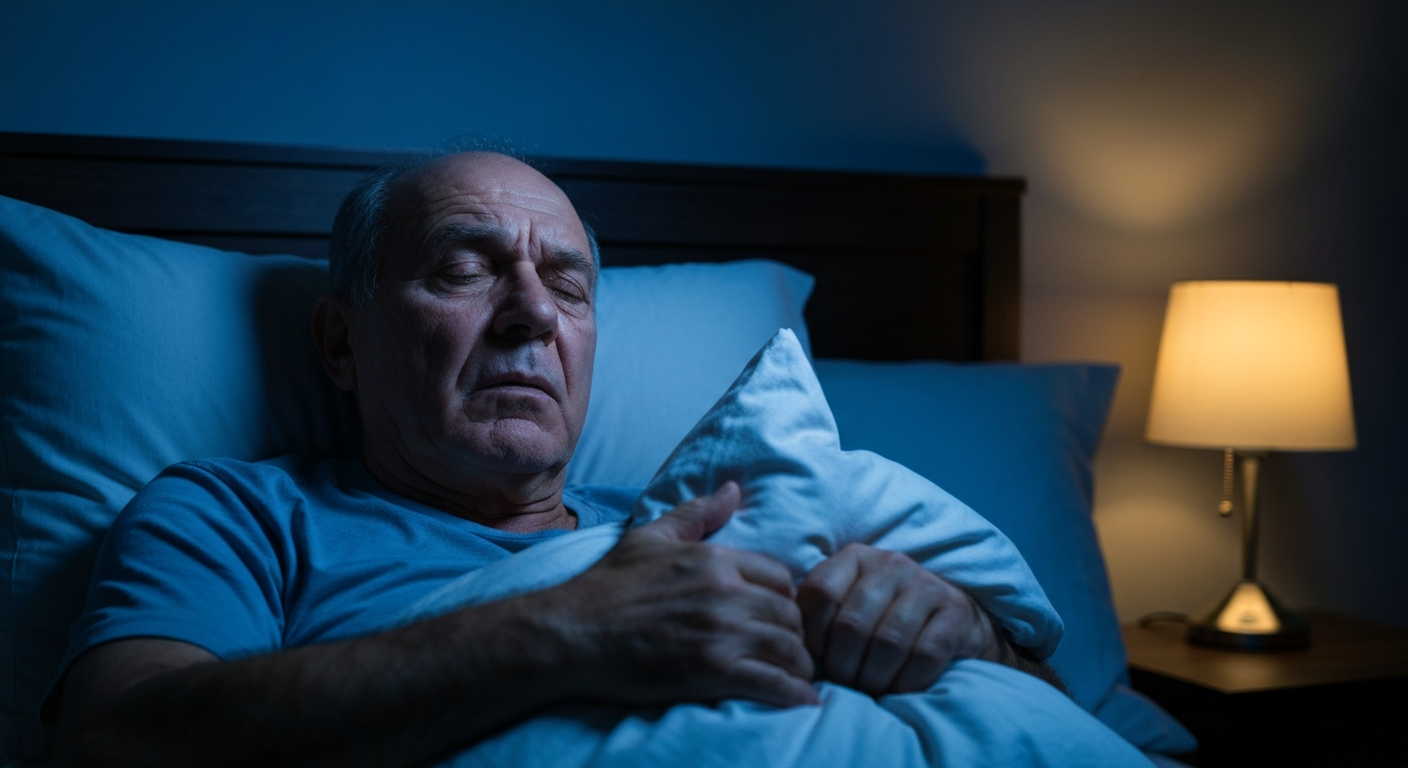
If you struggle with insomnia at night, you must eliminate all daytime napping, even if you are exhausted. You need to let your sleep pressure build up completely so your brain is forced to sleep soundly through the night.
| Nap Length | What Happens in the Brain | The Result |
|---|---|---|
| 10 - 20 Minutes | Stays in light sleep (Stage 1 & 2). | Increased alertness, improved mood, no grogginess. |
| 30 Minutes | Approaching deep sleep. | May cause slight grogginess for 30 minutes after waking. |
| 60 Minutes | Enters deep slow-wave sleep. | Severe grogginess (sleep inertia); helps remember facts and names. |
| 90 Minutes | Completes a full sleep cycle (including REM). | Waking up refreshed, improves creativity, but may disrupt nighttime sleep. |
Common Mistakes to Avoid
- The 2-Hour Nap: Entering deep sleep during the day guarantees you will wake up feeling groggy (sleep inertia) and struggle to sleep at night.
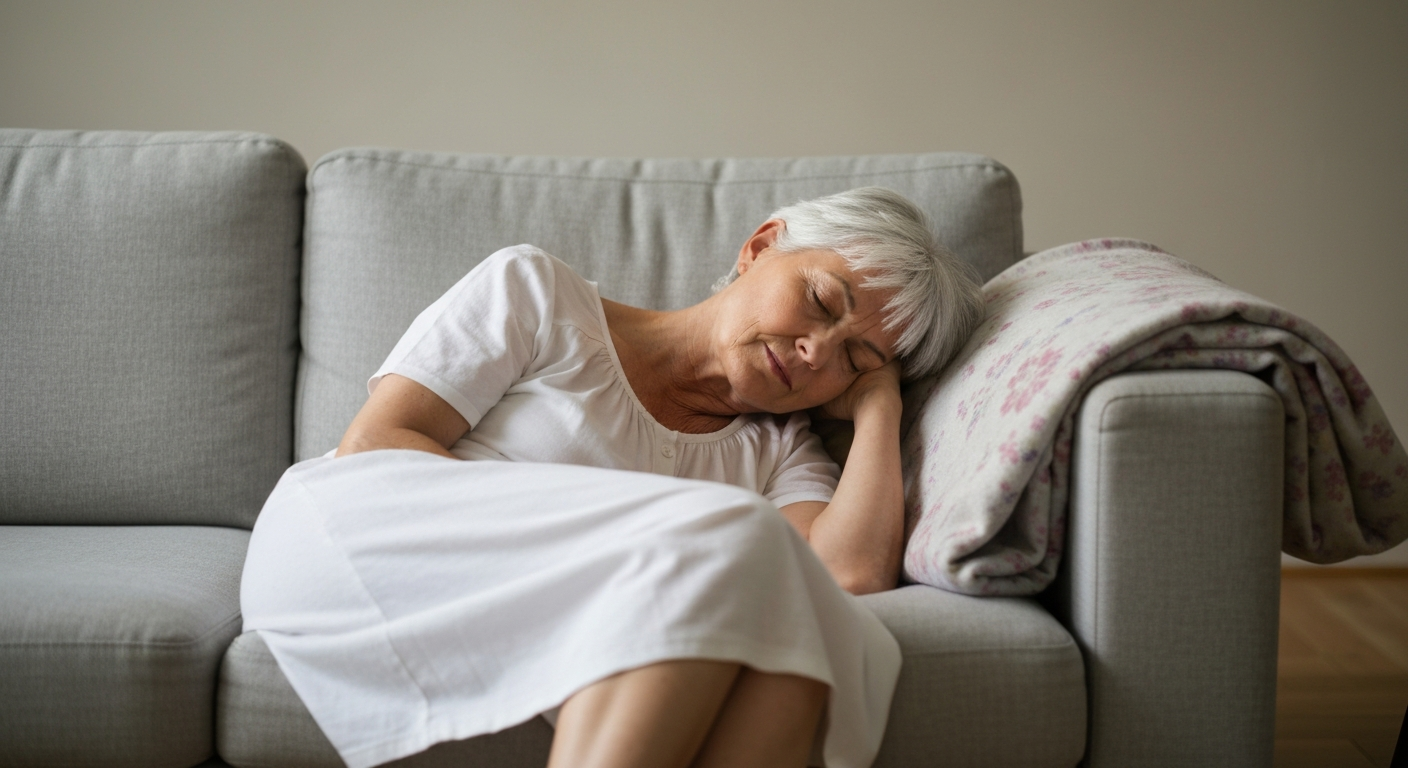
- Napping on the Couch with the TV On: This leads to fragmented, poor-quality rest. If you nap, do it intentionally in a quiet, comfortable spot.
- Using Naps to Replace Nighttime Sleep: A nap cannot replace the deep, restorative sleep cycles that only occur during a full night's rest.
- Ignoring the Need to Nap: If you suddenly require long daily naps when you didn't before, it's a red flag for a medical issue, not just aging.
The Bottom Line
Napping can be a healthy part of your routine if done correctly. Keep it under 30 minutes and before 3:00 PM to reap the cognitive benefits without sacrificing your nighttime rest.
Frequently Asked Questions
Why do I feel worse after a long nap?
If you sleep longer than 30 minutes, you enter deep sleep. Waking up during this stage causes 'sleep inertia,' leaving you feeling confused and groggy.
Is it normal to need a nap every day after 60?
A short daily nap is fine. But if you are overwhelmingly exhausted every day despite 8 hours of sleep, you should be evaluated for sleep apnea.
Should I nap in my bed or on the couch?
Napping in a chair or on a couch is often better because it prevents you from getting too comfortable and sleeping for too long.
Does coffee before a nap help?
Yes! A 'nappuccino' (drinking coffee right before a 20-minute nap) works because the caffeine kicks in just as you wake up, maximizing alertness.
I have insomnia. Should I nap?
No. If you have trouble falling or staying asleep at night, you should strictly avoid all daytime napping.
Sources & References
- Mayo Clinic. (2022). Napping: Do's and don'ts for healthy adults.
- Sleep Foundation. (2023). Napping.
- Johns Hopkins Medicine. (2021). Can a Nap Boost Brain Health?
Table of Contents
Join Our Newsletter
Get weekly health tips delivered to your inbox.
HealthyLivingAfter60 Editorial Team
Our editorial team creates evidence-based educational content focused on healthy aging, nutrition, exercise, chronic disease prevention, and wellness for adults over 60. Content is reviewed for accuracy and supported by trusted medical sources.
Read our Editorial PolicyRelated Articles