How Exercise Improves Sleep Quality
HealthyLivingAfter60 Editorial Team
Reviewed by the HealthyLivingAfter60 Editorial Team
Key Takeaways
- ✅ Increases Deep Sleep: Moderate aerobic exercise is proven to increase the amount of restorative slow-wave sleep you get each night.
- ✅ Reduces Sleep Latency: People who exercise regularly fall asleep significantly faster than those who are sedentary.
- ✅ Natural Stress Relief: Exercise lowers cortisol levels and reduces the anxiety and hyperarousal that cause insomnia.
- ✅ Timing Matters: Morning or afternoon exercise is best; vigorous exercise right before bed can actually keep you awake.
If you were to invent a pill that could help you fall asleep faster, increase your deep sleep, and reduce nighttime awakenings, it would look exactly like exercise. Physical activity is one of the most potent, scientifically proven natural sleep aids available.
For adults over 60, regular exercise not only maintains physical mobility but also fundamentally alters brain chemistry to promote restorative rest. This guide explains the biological link between movement and sleep, and how to time your workouts for maximum nighttime benefit.
Of moderate exercise needed daily to see sleep benefits.
Reduction in time it takes to fall asleep for regular exercisers.
The specific sleep stage that increases most with physical activity.
The Biology of Exercise and Sleep
Exercise improves sleep through several biological pathways. First, it physically tires the body, increasing the homeostatic 'sleep drive' (the buildup of adenosine in the brain). Second, it causes a rise in core body temperature; when that temperature drops a few hours later, it signals the brain that it is time to sleep.
Additionally, exercise is a powerful mood regulator. It releases endorphins and burns off excess adrenaline and cortisol, directly combating the anxiety and stress that are the primary culprits behind sleep-onset insomnia.
Myth vs. Fact
Myth: All exercise before bed is bad for sleep.
Fact: While vigorous cardio should be avoided late at night, gentle, restorative exercises like light stretching or yoga can actually help you wind down and sleep better.
Expert Tip
From the Physiologist
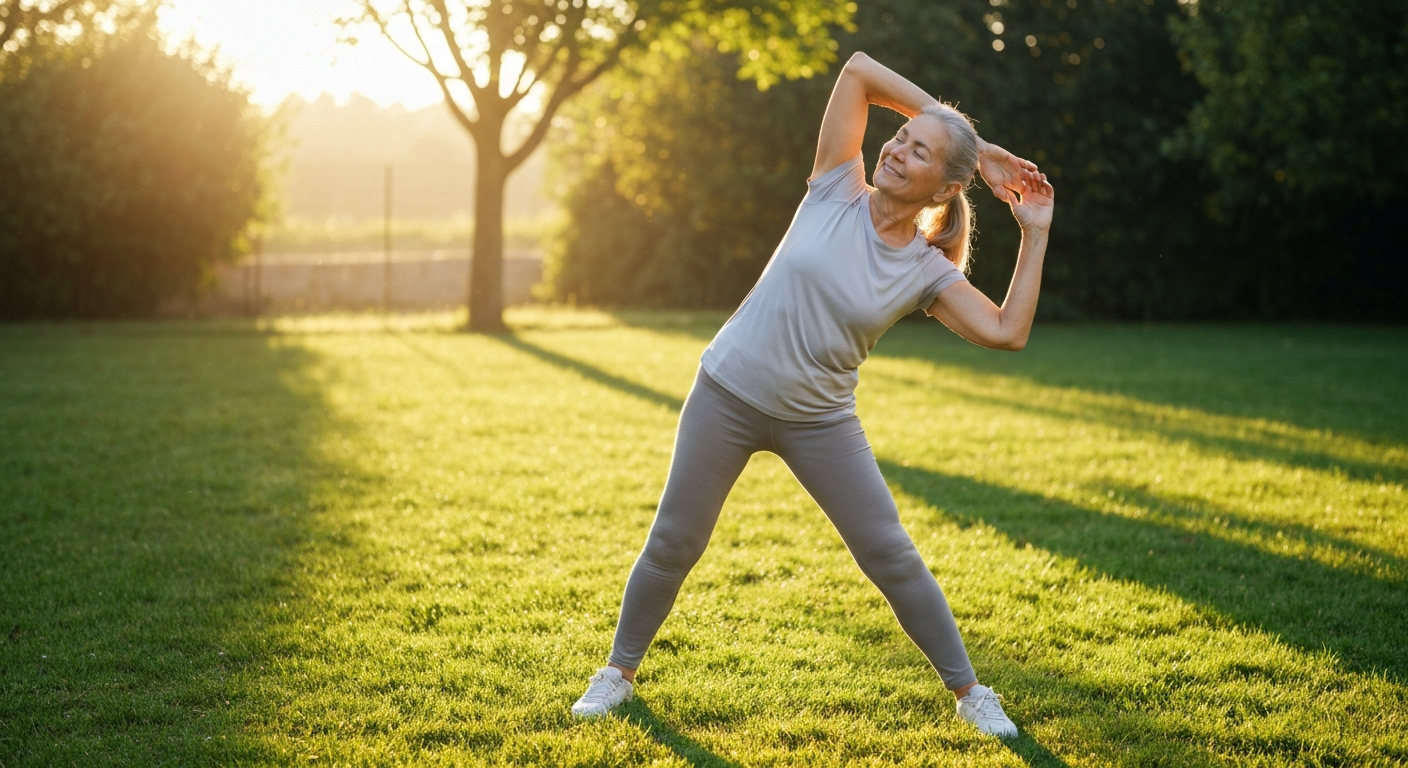
You don't need to run a marathon to get the sleep benefits. A brisk 30-minute walk outside in the morning is the perfect combination of aerobic activity and circadian-resetting sunlight.
| Time of Day | Best Type of Exercise | Effect on Sleep |
|---|---|---|
| Morning (Outdoors) | Brisk walking, cycling | Best for resetting circadian rhythm via sunlight; improves nighttime sleep drive. |
| Afternoon | Strength training, swimming | Raises body temp; the subsequent cooling effect in the evening promotes sleepiness. |
| Early Evening | Light cardio, walking | Good for burning off daily stress, provided it ends 3 hours before bed. |
| Right Before Bed | Gentle yoga, light stretching | Calms the nervous system and relieves muscle tension. Avoid sweating or heavy breathing. |
Common Mistakes to Avoid
- Exercising Too Close to Bedtime: Vigorous workouts within 2 hours of sleep leave your heart rate and body temperature too high to initiate sleep.
- Inconsistency: Exercising once a week won't cure insomnia. The sleep benefits of exercise are cumulative and require daily consistency.
- Overexertion: Pushing yourself to the point of severe muscle soreness can actually disrupt sleep due to pain and discomfort.
- Ignoring Gentle Movement: If you can't do cardio, gentle yoga or stretching in the evening is highly effective at calming the nervous system for sleep.
The Bottom Line
Exercise is a free, highly effective prescription for better sleep. By committing to 30 minutes of daily activity, you can significantly improve your ability to fall asleep and stay asleep naturally.
Frequently Asked Questions
How long until exercise improves my sleep?
While some people feel benefits immediately, it typically takes 2 to 4 weeks of consistent daily exercise to see significant improvements in chronic insomnia.
Is walking enough to help me sleep?
Yes, studies show that moderate aerobic exercise, like brisk walking, is just as effective as vigorous exercise for improving sleep quality in older adults.
Does lifting weights help with sleep?
Yes, resistance training is excellent for sleep. It tires the muscles and has been shown to reduce anxiety and depression, which interfere with rest.
I have arthritis and can't walk far. What can I do?
Water aerobics or swimming are fantastic low-impact options that provide the aerobic fatigue needed for sleep without stressing the joints.
Will evening exercise keep me awake?
Vigorous exercise (like running or heavy lifting) within 2-3 hours of bedtime can delay sleep. Keep evening activities light and relaxing.
Sources & References
- Johns Hopkins Medicine. (2021). Exercising for Better Sleep.
- Sleep Foundation. (2023). How Exercise Affects Sleep.
- National Institute on Aging. (2021). Exercise and Physical Activity.
Table of Contents
Join Our Newsletter
Get weekly health tips delivered to your inbox.
HealthyLivingAfter60 Editorial Team
Our editorial team creates evidence-based educational content focused on healthy aging, nutrition, exercise, chronic disease prevention, and wellness for adults over 60. Content is reviewed for accuracy and supported by trusted medical sources.
Read our Editorial PolicyRelated Articles