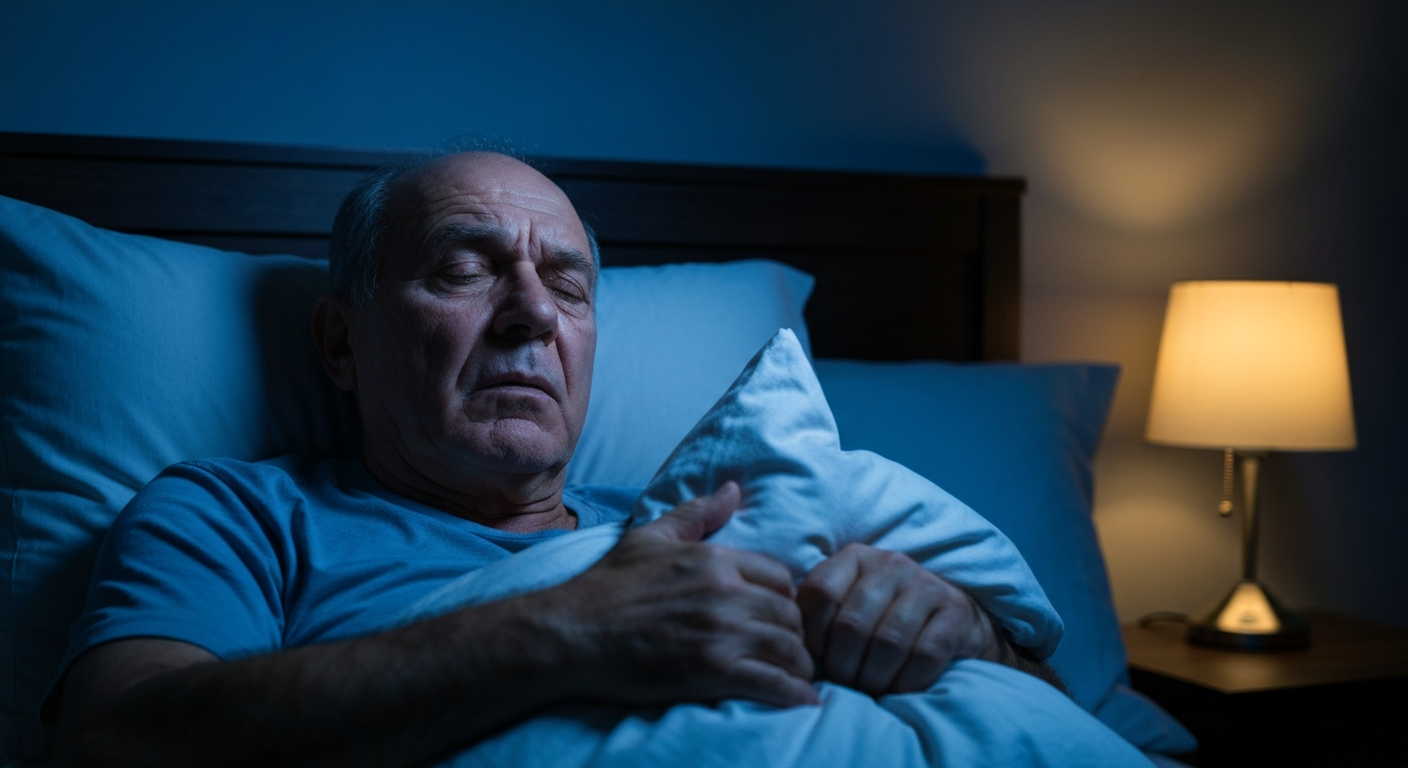
Foods That Help You Sleep Better
HealthyLivingAfter60 Editorial Team
Reviewed by the HealthyLivingAfter60 Editorial Team
Key Takeaways
- ✅ Tryptophan is Key: Foods rich in this amino acid help your body produce serotonin and melatonin.
- ✅ Magnesium for Relaxation: Magnesium helps calm the nervous system and prevent muscle cramps at night.
- ✅ Timing Matters: Eat your last heavy meal at least 3 hours before bed to prevent acid reflux and indigestion.
- ✅ Tart Cherries: One of the few natural food sources of melatonin, proven to improve sleep duration.
What you eat during the day—and especially in the hours leading up to bedtime—has a profound impact on your sleep quality. Certain foods contain nutrients that naturally promote relaxation and regulate your sleep-wake cycle.
For adults over 60 looking for natural sleep aids, optimizing your diet is a safe and effective strategy. This guide explores the best sleep-promoting foods, the science behind why they work, and the dietary habits that might be keeping you awake.
Extra sleep gained in studies using tart cherry juice.
Minimum time to finish a heavy meal before sleeping.
Time it can take for caffeine to fully clear your system.
The Science of Sleep Nutrition
Certain nutrients are building blocks for sleep hormones. Tryptophan (found in turkey, dairy, and nuts) is converted into serotonin, which is then converted into melatonin. Magnesium (found in leafy greens and almonds) acts as a natural relaxant by regulating neurotransmitters and reducing cortisol (the stress hormone).
Complex carbohydrates (like oatmeal) can help tryptophan cross the blood-brain barrier more effectively. This is why a small snack combining a complex carb with a protein (like a slice of turkey on whole-grain bread) is an ideal pre-bedtime choice.
Myth vs. Fact
Myth: Warm milk is just an old wives' tale; it doesn't actually help you sleep.
Fact: Milk contains tryptophan, calcium, and vitamin D, all of which support sleep. Plus, the psychological comfort of a warm drink promotes relaxation.
Expert Tip
From the Dietitian
Beware of hidden caffeine. While you know to avoid evening coffee, caffeine hides in dark chocolate, certain pain relievers, and decaf coffee (which still contains small amounts). If you are sensitive, cut off all caffeine by 2 PM.
| Food | Key Sleep Nutrient | How to Consume It |
|---|---|---|
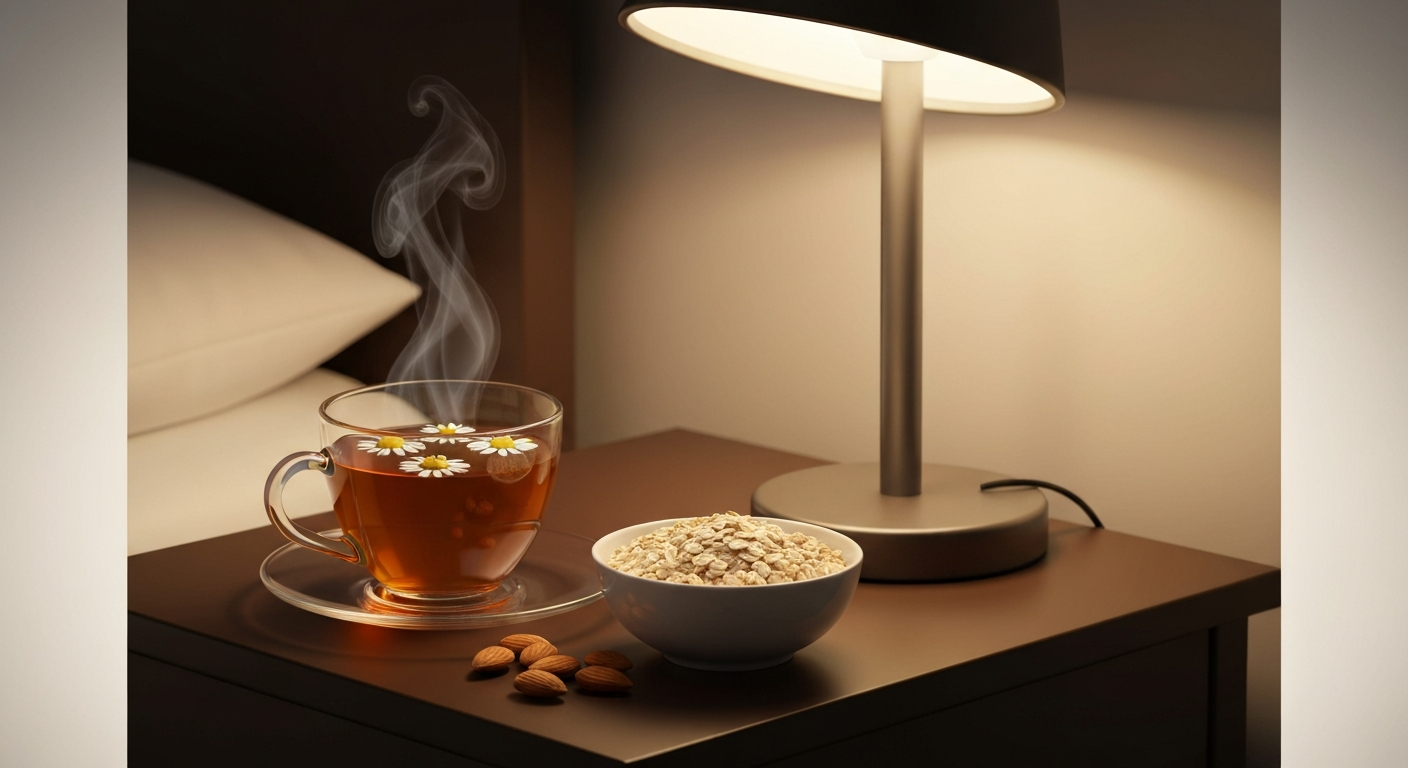
| Tart Cherries | Natural Melatonin | Drink 8oz of unsweetened tart cherry juice 1-2 hours before bed. |
| Almonds / Walnuts | Magnesium & Melatonin | Eat a small handful (about 1 oz) as an evening snack. |
| Oatmeal | Complex Carbs & Melatonin | A small half-bowl with warm milk makes a perfect pre-bed snack. |
| Kiwi | Serotonin & Antioxidants | Eat 1-2 kiwis an hour before bed (shown in studies to improve sleep onset). |
| Chamomile Tea | Apigenin (an antioxidant) | Drink a warm cup 45 minutes before bed (steep for 5 minutes). |
Common Mistakes to Avoid
- Going to Bed Hungry: A rumbling stomach can keep you awake. A light, 150-calorie snack is better than fasting.
- Spicy Evening Meals: Spicy foods can cause heartburn and raise your core body temperature, disrupting sleep.
- High-Sugar Snacks: Eating sweets before bed causes a blood sugar spike followed by a crash, which can wake you up in the middle of the night.
- Alcohol as a Sleep Aid: Alcohol helps you fall asleep faster but destroys REM sleep and causes frequent awakenings later in the night.
The Bottom Line
You can naturally enhance your sleep quality by incorporating foods rich in magnesium, tryptophan, and melatonin into your evening routine, while avoiding heavy, spicy, or sugary foods right before bed.
Frequently Asked Questions
Is it bad to eat right before bed?
Heavy meals are bad, but a small, light snack (under 200 calories) containing complex carbs and protein can actually prevent middle-of-the-night awakenings.
Does turkey really make you sleepy?
Turkey contains tryptophan, but not enough to knock you out on its own. The sleepiness after Thanksgiving is usually due to eating massive amounts of carbohydrates.
Can drinking water before bed help?
Hydration is important, but limit fluids in the 2 hours before bed to prevent waking up to use the bathroom (nocturia).
What is the best tea for sleep?
Chamomile, valerian root, and passionflower teas are all excellent, caffeine-free options that promote relaxation.
Does cheese give you nightmares?
There is no scientific evidence that cheese causes nightmares, but eating a heavy, high-fat cheese meal before bed can cause indigestion, leading to restless sleep.
Sources & References
- Cleveland Clinic. (2022). Foods That Help You Sleep.
- Sleep Foundation. (2023). Diet and Sleep.
- Advances in Nutrition. (2020). The Role of Diet in Sleep Quality.
Table of Contents
Join Our Newsletter
Get weekly health tips delivered to your inbox.
HealthyLivingAfter60 Editorial Team
Our editorial team creates evidence-based educational content focused on healthy aging, nutrition, exercise, chronic disease prevention, and wellness for adults over 60. Content is reviewed for accuracy and supported by trusted medical sources.
Read our Editorial PolicyRelated Articles