Common Sleep Myths Debunked
HealthyLivingAfter60 Editorial Team
Reviewed by the HealthyLivingAfter60 Editorial Team
Key Takeaways
- ✅ You Still Need 8 Hours: The belief that older adults naturally need less sleep is false; the biological need remains 7 to 8 hours.
- ✅ Alcohol Ruins Sleep: A nightcap might make you pass out, but it destroys the restorative phases of sleep.
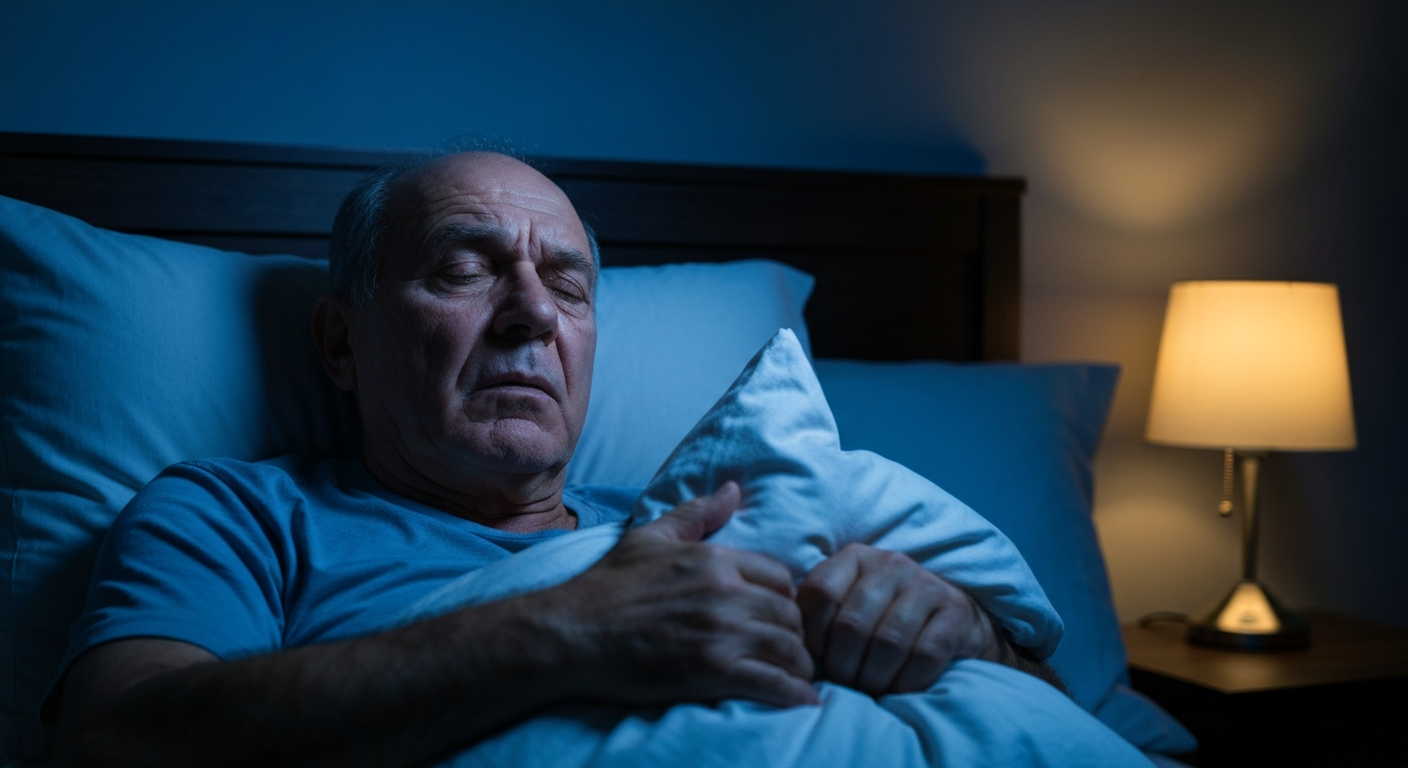
- ✅ Snoring is Not Harmless: Loud snoring is a primary indicator of sleep apnea, a dangerous cardiovascular condition.
- ✅ Watching TV Doesn't Help: Falling asleep to the TV prevents your brain from reaching deep sleep.
When it comes to sleep, bad advice is everywhere. From old wives' tales to outdated medical advice, many common beliefs about sleep actually contribute to insomnia and poor health.
For adults over 60, following these myths can lead to unnecessary frustration, reliance on medications, and increased risk of cardiovascular disease. This guide separates science from fiction, debunking the most pervasive sleep myths so you can finally get the rest you deserve.
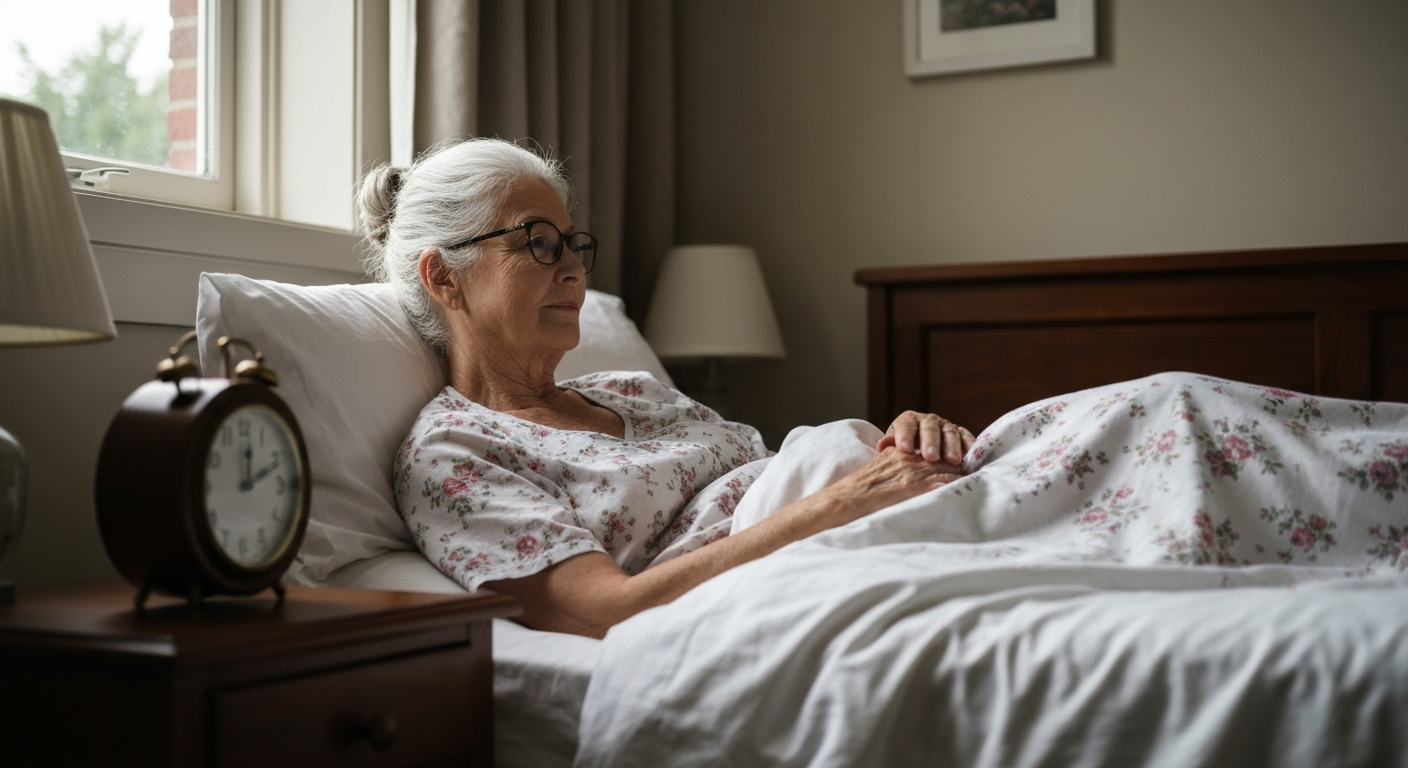
Your brain rests during sleep. (Fact: It is highly active, cleaning and organizing).
Alcohol is the most commonly used, and most destructive, over-the-counter sleep aid.
Staying in bed helps you fall back asleep. (Fact: You should get up).
Myth 1: Older Adults Need Less Sleep
The Truth: The biological need for sleep does not decline with age; adults over 60 still require 7 to 8 hours. What changes is the ability to generate continuous sleep, often due to medical conditions, medications, or a weakened circadian pacemaker. Accepting 5 hours of sleep as 'normal for your age' leaves you chronically sleep-deprived and increases your risk for dementia and heart disease.
Myth vs. Fact
Myth: Your body can adapt to getting only 5 hours of sleep a night.
Fact: While you may get used to the feeling of fatigue, your body never adapts to sleep deprivation. Chronic short sleep continuously damages your immune system, heart, and brain.
Myth 2: A Nightcap Helps You Sleep
The Truth: Alcohol is a sedative, so it may help you lose consciousness faster. However, sedation is not sleep. Alcohol severely fragments your sleep architecture, blocks REM (dreaming) sleep, and triggers a rebound effect that causes you to wake up at 3 AM with a racing heart, unable to get back to sleep.
| The Myth | The Scientific Reality | What You Should Do |
|---|---|---|
| I can catch up on sleep on the weekends. | Binge sleeping disrupts your circadian rhythm (social jetlag). | Maintain the exact same wake-up time 7 days a week. |
| Watching TV helps me wind down. | Blue light blocks melatonin; content keeps the brain alert. | Read a physical book under dim, warm light. |
| Snoring is annoying but harmless. | Loud snoring is a primary symptom of sleep apnea. | Get evaluated by a doctor for a sleep study. |
| If I wake up, I should check the time. | Clock-watching triggers anxiety and cortisol release. | Turn the clock around so you cannot see the time. |
| Melatonin is a harmless sleeping pill. | It is a hormone that shifts your clock, not a sedative. | Use micro-doses (under 1mg) 2 hours before bed, not at bedtime. |
Expert Tip
From the Sleep Specialist
The worst myth I hear is 'If I can't sleep, I should just lie in bed with my eyes closed to rest my body.' Lying in bed awake trains your brain to associate the bed with anxiety and wakefulness. If you are awake for 20 minutes, you must get out of bed.
The Bottom Line
Don't let outdated myths ruin your rest. By understanding the true biology of sleep, you can abandon harmful habits like nightcaps and screen time, and adopt practices that genuinely restore your health.
Frequently Asked Questions
Is it true that cheese gives you nightmares?
No. However, eating a heavy, high-fat meal (like cheese) right before bed can cause severe indigestion, which fragments sleep and makes you more likely to remember normal dreams.
Does turkey really make you sleepy?
Turkey contains tryptophan, but not enough to cause drowsiness on its own. The sleepiness after Thanksgiving is usually due to a massive intake of carbohydrates.
Is counting sheep effective?
Actually, research shows counting sheep is too boring to distract a racing mind. Visualizing a calming, detailed scene (like a walk on a beach) is much more effective.
Do older adults dream less?
Older adults do experience a slight decrease in REM sleep (when most dreaming occurs), but they still dream every night, even if they don't remember it.
Is it bad to sleep with a fan on?
No, a fan is excellent! It provides cooling airflow and white noise, both of which are highly beneficial for maintaining deep sleep.
Sources & References
- National Sleep Foundation. (2023). Sleep Myths and Facts.
- Harvard Medical School. (2021). 10 Sleep Myths Debunked.
- American Academy of Sleep Medicine. (2022). Common Misconceptions About Sleep.
Table of Contents
Join Our Newsletter
Get weekly health tips delivered to your inbox.
HealthyLivingAfter60 Editorial Team
Our editorial team creates evidence-based educational content focused on healthy aging, nutrition, exercise, chronic disease prevention, and wellness for adults over 60. Content is reviewed for accuracy and supported by trusted medical sources.
Read our Editorial PolicyRelated Articles