Best Sleeping Positions for Seniors
HealthyLivingAfter60 Editorial Team
Reviewed by the HealthyLivingAfter60 Editorial Team
Key Takeaways
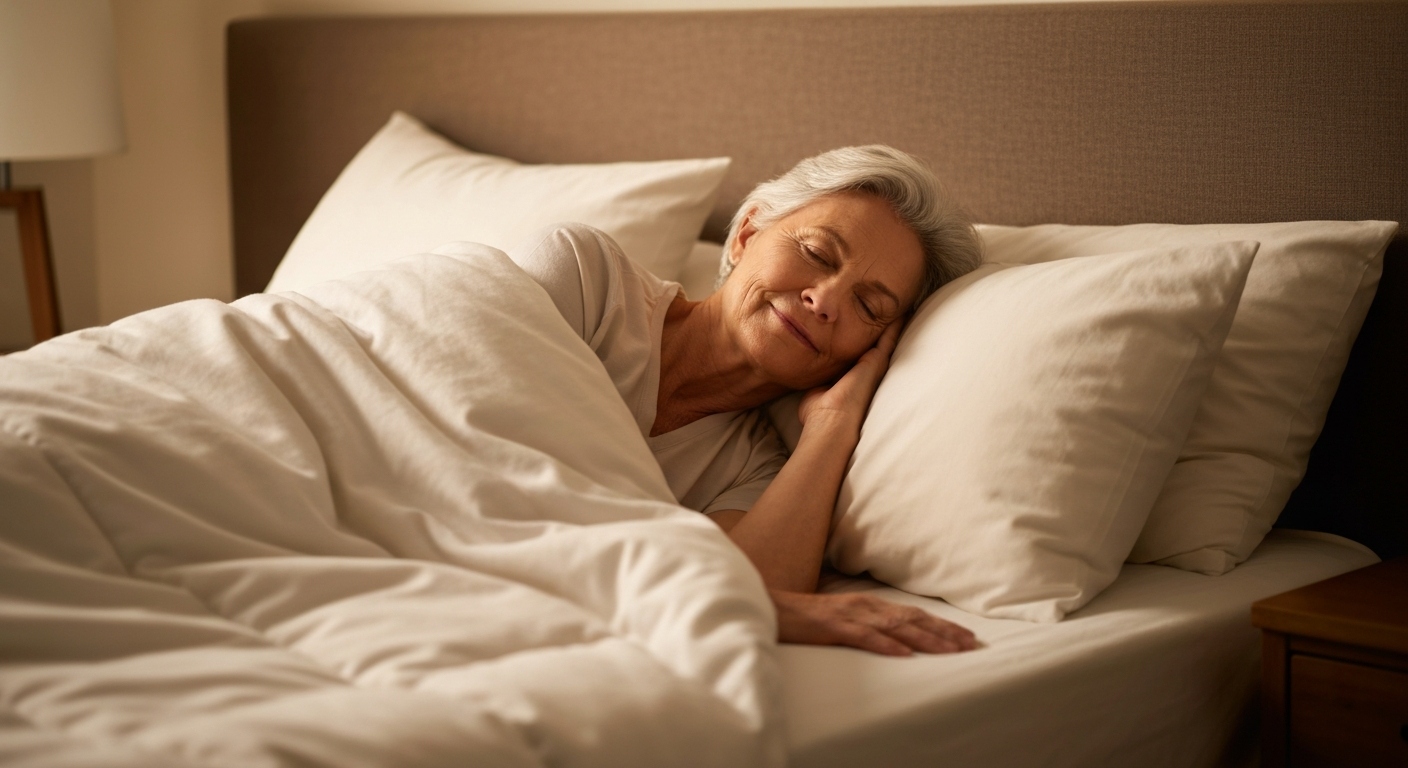
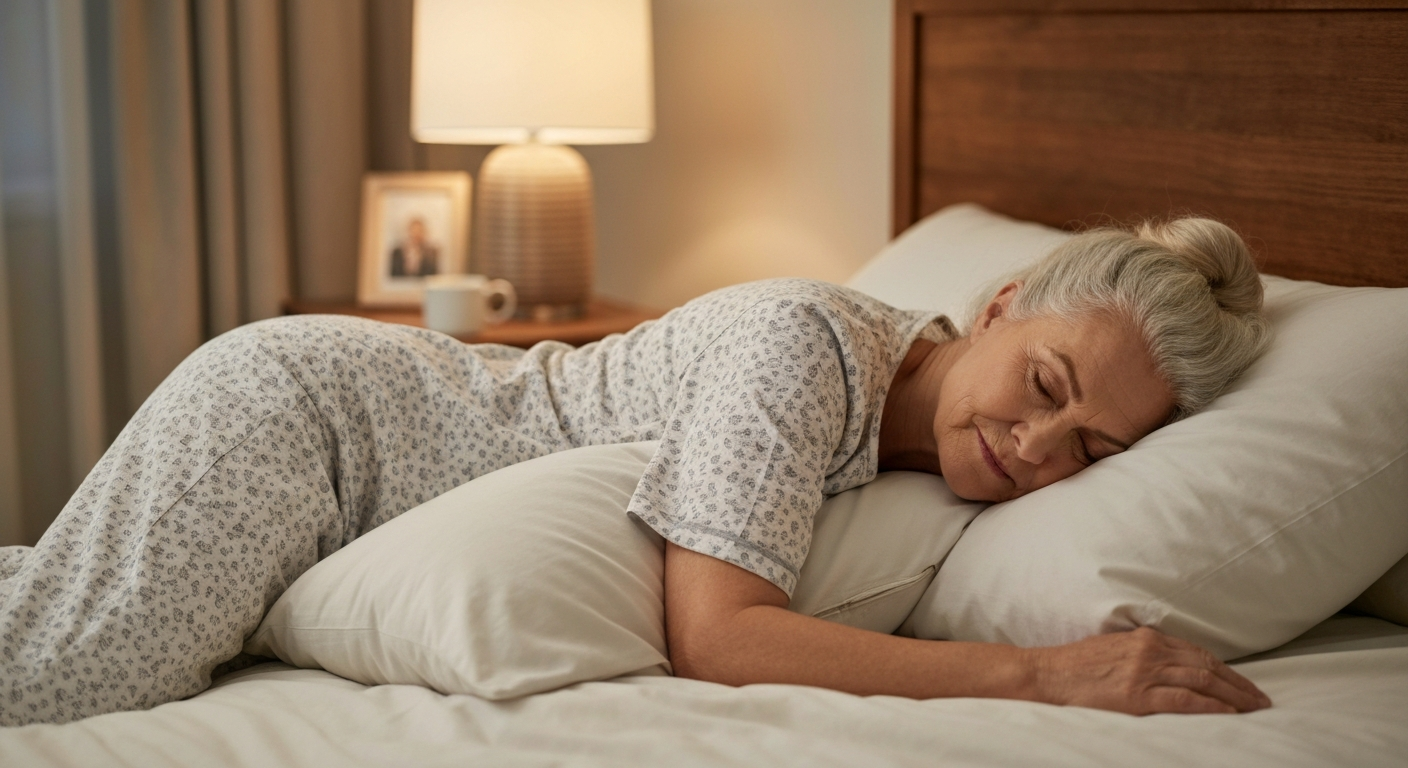
- ✅ Side Sleeping is Best: Sleeping on your side (particularly the left side) is generally the healthiest position for older adults.
- ✅ Pillows Matter: Using a pillow between your knees when on your side aligns your hips and relieves lower back pain.
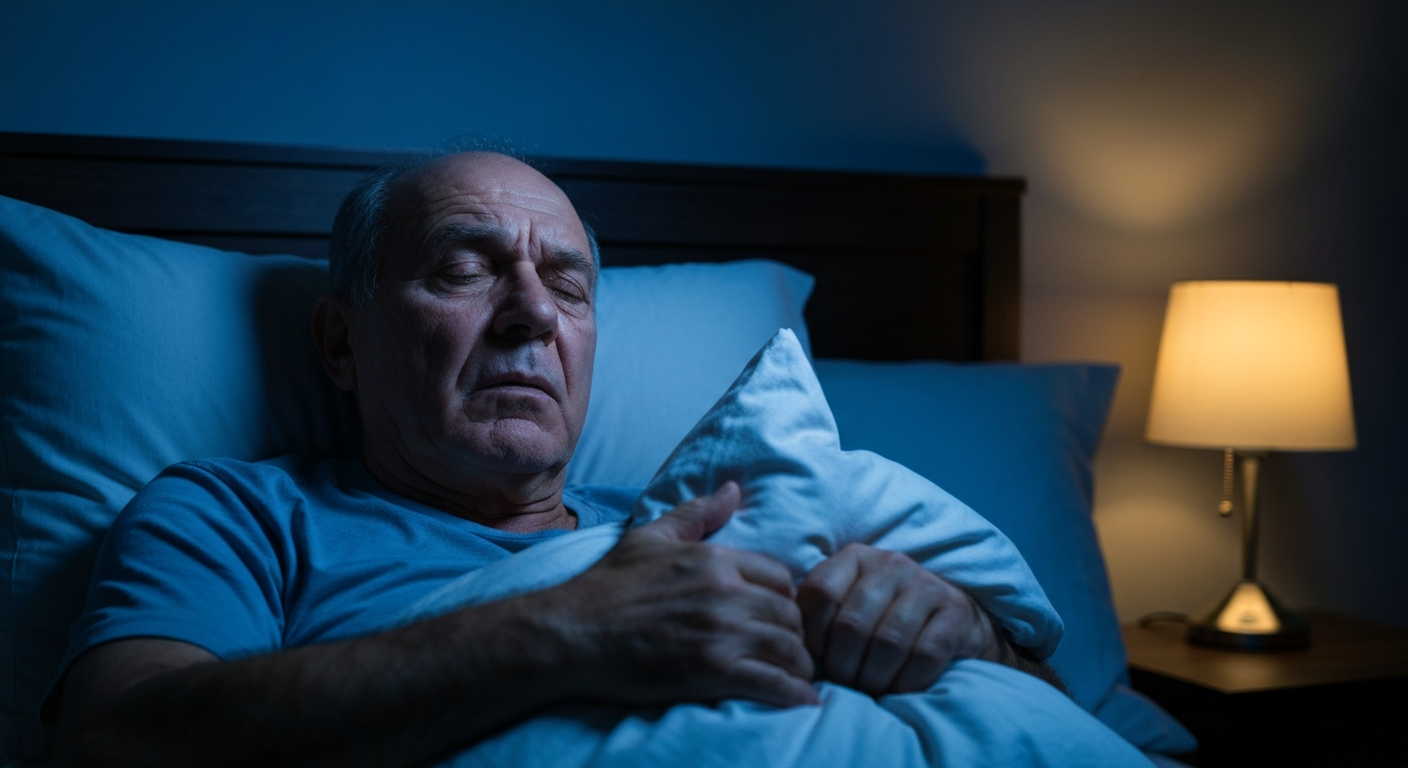
- ✅ Avoid Stomach Sleeping: Sleeping on your stomach strains the neck and spine and should be avoided.
- ✅ Elevate for Reflux: If you suffer from heartburn, elevating the head of your bed is more effective than just using extra pillows.
How you sleep is just as important as how long you sleep. For adults over 60, finding the right sleeping position can mean the difference between waking up refreshed or waking up with stiff joints, back pain, or acid reflux.
As we age, conditions like osteoarthritis, sleep apnea, and spinal stenosis make certain sleep postures more beneficial than others. This guide breaks down the pros and cons of different sleeping positions and provides expert tips for aligning your body for a pain-free night.
Of adults prefer side sleeping, the most common position.
The best position for reducing acid reflux and heartburn.
Of people sleep on their stomach, the worst position for spinal health.
Evaluating Sleep Positions
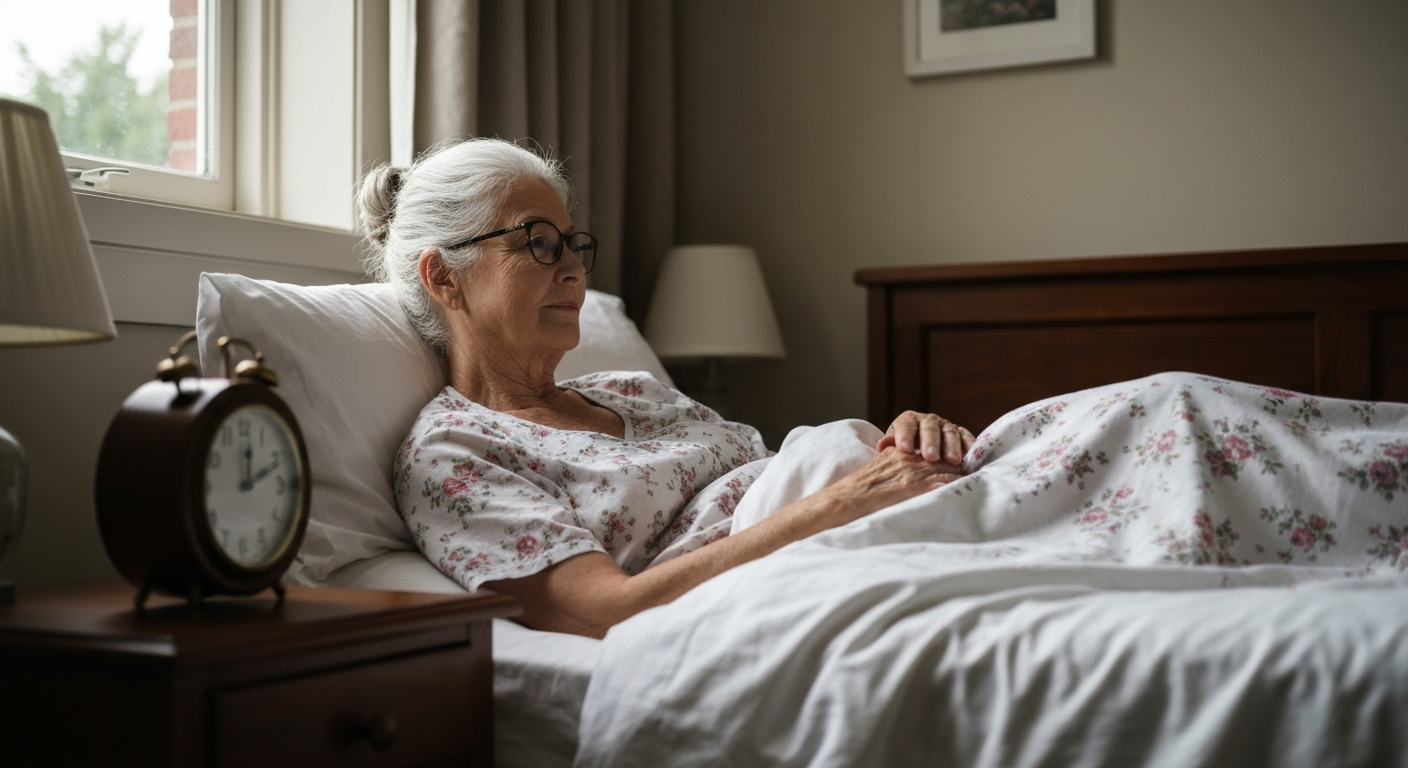
Side Sleeping (Lateral): This is highly recommended for older adults. It keeps the airway open (reducing snoring and sleep apnea) and reduces back pain. Sleeping on the left side specifically aids digestion and reduces acid reflux. Back Sleeping (Supine): Good for spinal alignment if you use a supportive pillow, but it is the worst position for sleep apnea and snoring because gravity pulls the tongue backward. Stomach Sleeping (Prone): This forces your neck to rotate 90 degrees and flattens the natural curve of your spine, leading to severe neck and lower back pain.
Myth vs. Fact
Myth: You can't change the way you sleep; your body just does what it wants.
Fact: While it takes practice, you can train yourself to sleep in a new position using body pillows or by sewing a tennis ball into the back of your pajama top to prevent rolling onto your back.
Expert Tip
From the Physical Therapist
If you have shoulder pain on one side, do not sleep on it. Sleep on your 'good' side and hug a thick pillow to your chest. This prevents your top shoulder from rolling forward and stretching the painful joint while you sleep.
| Health Condition | Best Position | Pillow Strategy |
|---|---|---|
| Lower Back Pain | Side or Back | Pillow between knees (side) or under knees (back). |
| Acid Reflux / GERD | Left Side | Elevate head of the bed 6 inches; avoid flat back sleeping. |
| Sleep Apnea / Snoring | Side or Stomach | Use a firm pillow to keep head aligned; avoid back sleeping. |
| Hip Pain (Bursitis) | Side (on non-painful hip) | Thick pillow between knees to prevent top leg from dropping. |
| Neck Pain | Back or Side | Use a contoured cervical pillow; avoid stomach sleeping. |
Common Mistakes to Avoid
- Using Too Many Pillows: Propping your head up too high while on your back creates a severe forward neck bend, causing neck pain.
- Ignoring Mattress Sag: A sagging mattress forces your spine out of alignment regardless of your sleep position.
- Sleeping in a Recliner: While okay occasionally for severe reflux or post-surgery, long-term recliner sleeping can lead to knee and hip contractures (stiffness).
- Not Using Support Pillows: Failing to use a knee pillow (for side sleepers) or a pillow under the knees (for back sleepers) puts unnecessary torque on the lower back.
The Bottom Line
Your sleeping posture directly impacts your joint health and sleep quality. By adopting the side-sleeping position and strategically using pillows for support, you can significantly reduce morning stiffness and pain.
Frequently Asked Questions
Why do I wake up with a stiff neck?
This is usually caused by a pillow that is either too high or too flat, forcing your neck out of neutral alignment during the night.
Is it bad to sleep on your back?
Not necessarily. It's great for spinal alignment, but it is dangerous if you have sleep apnea, as it restricts the airway.
How do I stop rolling onto my back?
Try sleeping with a large body pillow behind you, or use a wedge pillow to keep yourself propped on your side.
What is the best position for heart failure?
Many patients with heart failure find it difficult to breathe lying flat. Sleeping with the head elevated or on the right side is often recommended by cardiologists.
Should I sleep without a pillow?
Only if you sleep on your stomach (which isn't recommended). Back and side sleepers need a pillow to fill the gap between the head and the mattress.
Sources & References
- Sleep Foundation. (2023). Best Sleeping Positions.
- Mayo Clinic. (2022). Slide show: Sleeping positions that reduce back pain.
- Johns Hopkins Medicine. (2021). Choosing the Best Sleep Position.
Table of Contents
Join Our Newsletter
Get weekly health tips delivered to your inbox.
HealthyLivingAfter60 Editorial Team
Our editorial team creates evidence-based educational content focused on healthy aging, nutrition, exercise, chronic disease prevention, and wellness for adults over 60. Content is reviewed for accuracy and supported by trusted medical sources.
Read our Editorial PolicyRelated Articles