Vitamin D Rich Foods for Bone Health
HealthyLivingAfter60 Editorial Team
Reviewed by the HealthyLivingAfter60 Editorial Team
Key Takeaways
- ✅ Sunlight Isn't Enough: Aging skin produces 4x less Vitamin D from the sun compared to younger skin.
- ✅ Fat-Soluble: Vitamin D needs fat to be absorbed. Always consume it with a meal containing healthy fats.
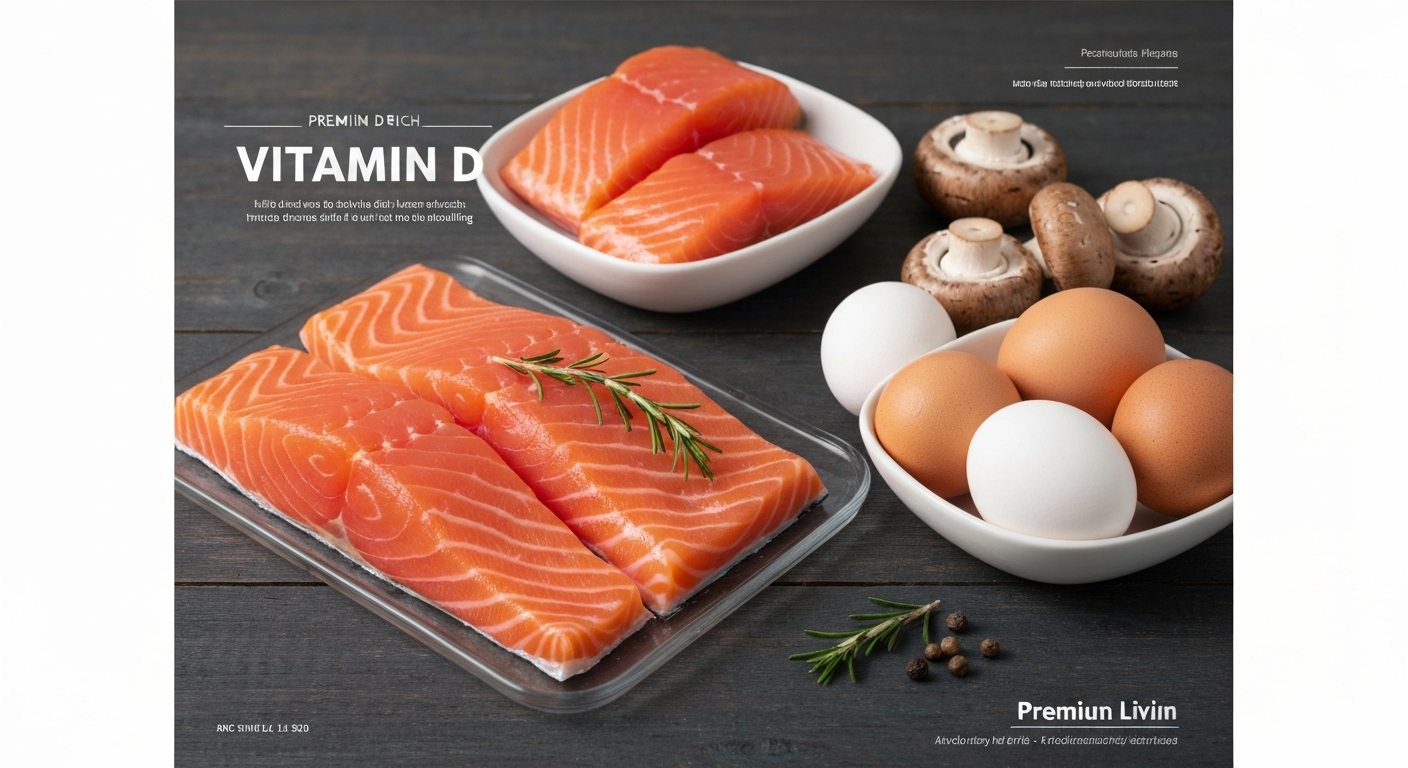
- ✅ Food Sources are Rare: Very few foods naturally contain Vitamin D; fatty fish is the best natural source.
- ✅ Testing is Crucial: Ask your doctor for a 25-hydroxy vitamin D blood test to know your exact levels.
Vitamin D is the key that unlocks calcium absorption in your body. Without it, you can eat all the calcium in the world, but your bones won't benefit. As we age, our skin becomes significantly less efficient at synthesizing Vitamin D from sunlight, making dietary sources and supplementation critical.
This guide highlights the best food sources of Vitamin D, explains why nearly all older adults need to focus on this nutrient, and clarifies when food isn't enough to correct a deficiency.
Minimum daily requirement for adults over 70.
Amount of Vitamin D in a 3oz serving of sockeye salmon.
Target blood level for optimal bone and immune health.
Why Seniors are at High Risk for Deficiency
Deficiency is epidemic among adults over 60. Not only does the skin lose its ability to synthesize the vitamin, but older adults also tend to spend less time outdoors and use more sunscreen. Furthermore, the kidneys become less efficient at converting Vitamin D into its active form. This perfect storm makes dietary intake and supplementation absolutely vital to prevent osteoporosis and immune decline.
Myth vs. Fact
Myth: I sit by a sunny window every day, so I get plenty of Vitamin D.
Fact: Glass blocks the UVB rays required for your skin to produce Vitamin D. You cannot synthesize Vitamin D through a window.
Expert Tip
From the Endocrinologist
If you are taking a Vitamin D supplement, make sure it is Vitamin D3 (cholecalciferol), not D2. D3 is far more effective at raising and maintaining your blood levels. Also, take it with your largest meal of the day to maximize absorption.
| Food Source | Serving Size | Estimated Vitamin D (IU) | Notes |
|---|---|---|---|
| Trout (Rainbow, cooked) | 3 oz | 645 IU | Excellent natural source |
| Salmon (Sockeye, cooked) | 3 oz | 570 IU | Also high in Omega-3s |
| Mushrooms (UV exposed) | 1/2 cup | 366 IU | Only if grown under UV light |
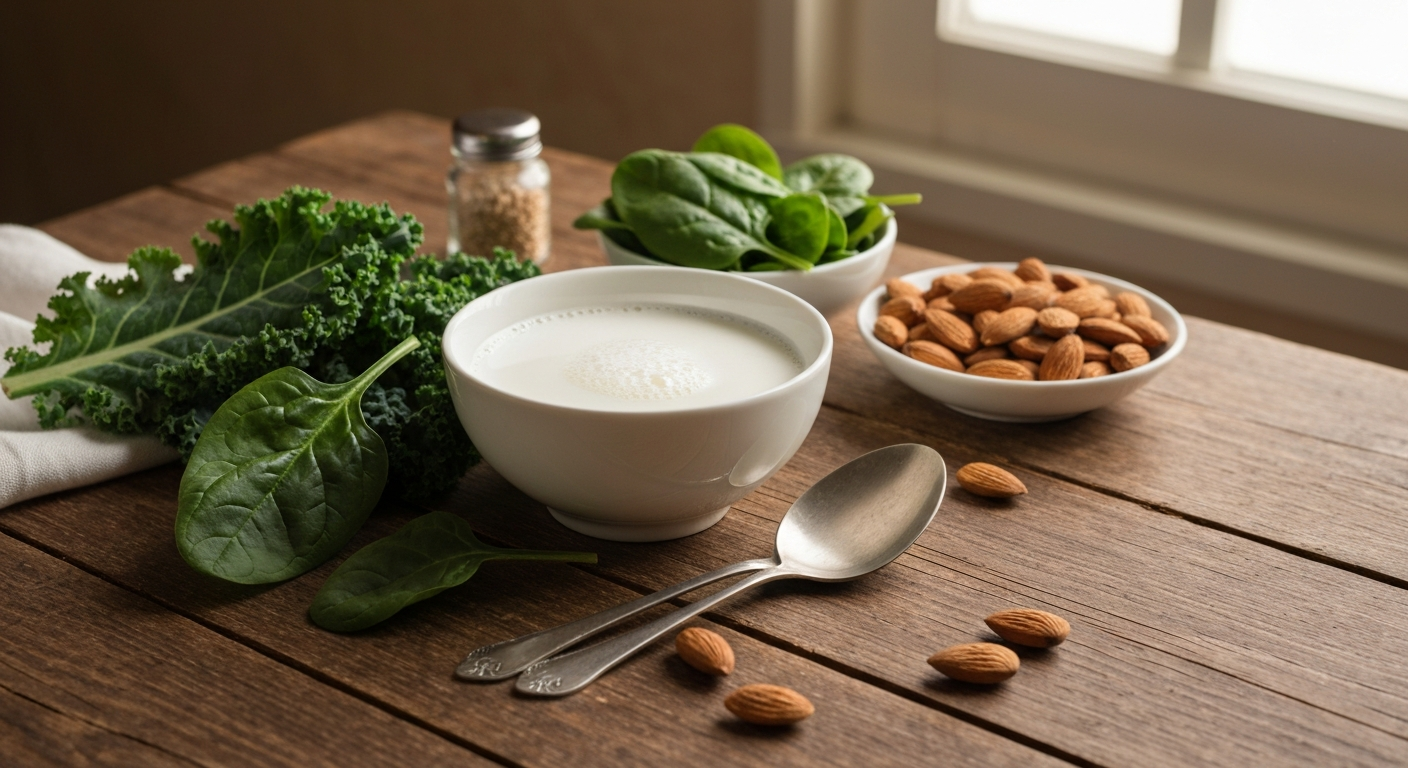
| Milk (Fortified) | 1 cup | 120 IU | Check label to ensure fortification |
| Egg Yolk | 1 large | 44 IU | Must eat the yolk; whites have none |
| Canned Tuna | 3 oz | 40 IU | Convenient but lower amount |
Common Mistakes to Avoid
- Relying on milk alone: A glass of fortified milk only has about 100 IU. You would need to drink 8 glasses a day to meet the minimum requirement.
- Taking it on an empty stomach: Because it is fat-soluble, taking a Vitamin D pill with just water and coffee means you will absorb very little of it.
- Guessing your dose: Don't blindly take massive doses (like 10,000 IU daily) without a blood test. Vitamin D toxicity is rare but possible and can cause calcium buildup in the blood.
- Ignoring Vitamin K2: If you take high doses of D3, you should ensure adequate Vitamin K2 intake to direct the absorbed calcium into your bones, not your arteries.
The Bottom Line
While fatty fish and fortified foods can help, the reality is that most adults over 60 will require a Vitamin D3 supplement to reach optimal levels. Get your blood tested and adjust your diet and supplements accordingly.
Frequently Asked Questions
What is the difference between D2 and D3?
D2 comes from plants; D3 comes from animals (and sunlight). D3 is much more effective at raising your blood levels and is the preferred supplement.
Can I get Vitamin D from vegetables?
No, unless they are mushrooms specifically grown under UV light. Plants do not naturally contain Vitamin D3.
Does sunscreen block Vitamin D production?
Yes, sunscreen blocks the UVB rays needed to make Vitamin D. However, protecting your skin from cancer is more important; use diet and supplements for Vitamin D.
What are the symptoms of Vitamin D deficiency?
Often there are no symptoms until bone loss occurs, but some people experience bone pain, muscle weakness, fatigue, and frequent infections.
Do I need to take magnesium with Vitamin D?
Your body requires magnesium to activate Vitamin D. If you are deficient in magnesium, your Vitamin D supplement won't work optimally.
Is cod liver oil a good source?
Yes, it is very high in Vitamin D, but it is also very high in Vitamin A. Too much Vitamin A can be toxic, so don't exceed the recommended dose.
Sources & References
- National Institutes of Health. (2023). Vitamin D Fact Sheet for Health Professionals.
- Endocrine Society. (2022). Evaluation, Treatment, and Prevention of Vitamin D Deficiency.
- Mayo Clinic. (2023). Vitamin D.
Table of Contents
Join Our Newsletter
Get weekly health tips delivered to your inbox.
HealthyLivingAfter60 Editorial Team
Our editorial team creates evidence-based educational content focused on healthy aging, nutrition, exercise, chronic disease prevention, and wellness for adults over 60. Content is reviewed for accuracy and supported by trusted medical sources.
Read our Editorial PolicyRelated Articles