Low-Sodium Eating Guide for Seniors
HealthyLivingAfter60 Editorial Team
Reviewed by the HealthyLivingAfter60 Editorial Team
Key Takeaways
- ✅ The Hidden Culprit: 70% of the sodium we eat comes from packaged, processed, and restaurant foods, not the salt shaker.
- ✅ The Salty Six: Bread, pizza, soup, cold cuts, poultry (often injected with broth), and sandwiches are the biggest offenders.
- ✅ Read the Label: Look at milligrams (mg) of sodium per serving. Aim for less than 140mg per serving for a 'low sodium' food.
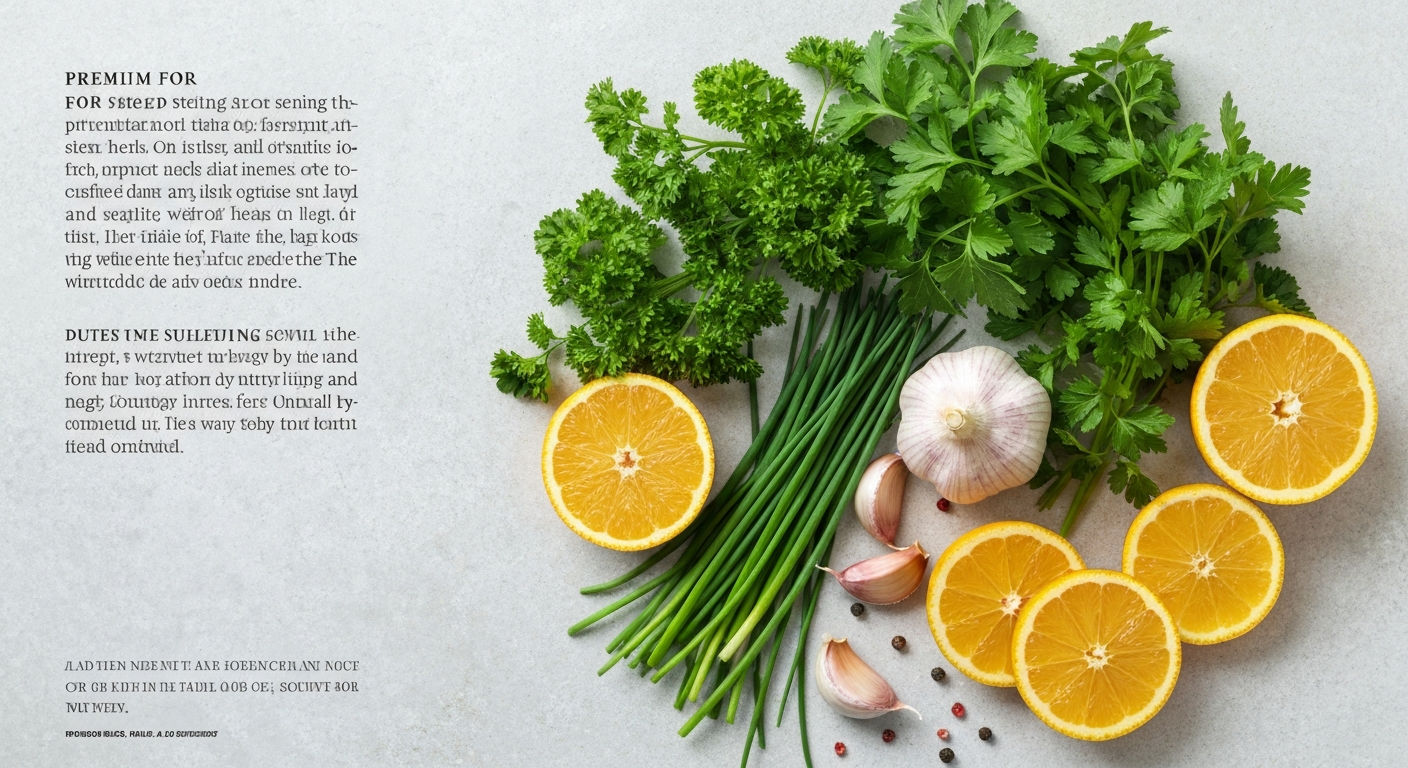
- ✅ Flavor with Herbs: Use citrus, garlic, herbs, and spices to add massive flavor without adding sodium.
High blood pressure is one of the most common and dangerous conditions for adults over 60, drastically increasing the risk of stroke and heart attack. The primary dietary culprit? Sodium. However, lowering your sodium intake doesn't mean eating bland, flavorless food.
This guide reveals where sodium hides in the modern diet (hint: it's not the salt shaker on your table) and provides practical, flavorful strategies to reduce your intake and protect your cardiovascular system.
Ideal daily sodium limit for adults with high blood pressure.
Percentage of sodium in the American diet that comes from processed foods.
Average amount of sodium in just one slice of commercial bread.
Why Sodium Affects You More Now
As we age, our kidneys become less efficient at filtering excess sodium out of the bloodstream. When sodium builds up, it pulls water into your blood vessels, increasing the volume of blood. This forces your heart to work harder and increases the pressure against your blood vessel walls—leading directly to hypertension. Older adults are inherently more 'salt-sensitive' than younger people.
Myth vs. Fact
Myth: Sea salt and pink Himalayan salt are healthier and lower in sodium than table salt.
Fact: They contain the exact same amount of sodium by weight (about 40% sodium). They offer trace minerals, but they will raise your blood pressure just as much as regular salt.
Expert Tip
From the Cardiologist
Your taste buds take about 3 to 4 weeks to adjust to a lower-sodium diet. If food tastes bland at first, push through it. Within a month, your palate will reset, and highly salted restaurant foods will actually taste unpleasantly salty to you.
| High Sodium Food | Average Sodium | Low Sodium Swap | Sodium Saved |
|---|---|---|---|
| Canned Chicken Soup | 850 mg | Homemade or 'No Salt Added' broth | 700 mg |
| Deli Turkey (2 oz) | 600 mg | Fresh roasted chicken breast | 550 mg |
| Soy Sauce (1 tbsp) | 900 mg | Coconut Aminos or Low-Sodium Soy | 600 mg |
| Store-bought Salad Dressing | 300 mg | Olive oil and balsamic vinegar | 300 mg |
| Commercial Bread (2 slices) | 400 mg | Ezekiel or low-sodium bread | 250 mg |
Common Mistakes to Avoid
- Trusting 'Reduced Sodium' labels: 'Reduced' just means 25% less than the original. If the original soup had 1000mg, the reduced version still has a massive 750mg.
- Using salt substitutes blindly: Many salt substitutes replace sodium with potassium. If you are on certain blood pressure medications or have kidney issues, excess potassium can be dangerous. Ask your doctor.
- Forgetting condiments: Soy sauce, ketchup, salad dressings, and BBQ sauce are absolute sodium bombs.
- Not rinsing canned beans: Rinsing canned beans and vegetables under cold water can remove up to 40% of the sodium.
The Bottom Line
Lowering your sodium intake is one of the fastest and most effective ways to lower your blood pressure. Focus on eating whole, unprocessed foods and cooking at home where you control the salt shaker.
Frequently Asked Questions
Is it okay to add a pinch of salt when cooking?
Yes. Adding a small pinch of salt to a pot of homemade soup is fine. The danger is the massive amounts of salt hidden in processed foods.
How much is 1,500mg of sodium?
It is roughly equivalent to 2/3 of a teaspoon of table salt for your entire day's food.
What are the best salt-free seasonings?
Garlic powder, onion powder, smoked paprika, cumin, lemon juice, and salt-free blends like Mrs. Dash.
Does drinking water flush out sodium?
Staying hydrated helps your kidneys function optimally, but you cannot simply 'flush out' a highly salted meal by drinking water. You must reduce intake.
Why is there sodium in sweet foods like cereal?
Sodium is used as a preservative and to enhance texture and flavor, even in foods that don't taste salty, like pastries and cereals.
Are frozen meals okay?
Most TV dinners are extremely high in sodium. Look for specific brands that advertise less than 400mg of sodium per meal, and always check the label.
Sources & References
- American Heart Association. (2023). How much sodium should I eat per day?
- Centers for Disease Control and Prevention. (2022). Sodium and Food Sources.
- Mayo Clinic. (2023). Sodium: How to tame your salt habit.
Table of Contents
Join Our Newsletter
Get weekly health tips delivered to your inbox.
HealthyLivingAfter60 Editorial Team
Our editorial team creates evidence-based educational content focused on healthy aging, nutrition, exercise, chronic disease prevention, and wellness for adults over 60. Content is reviewed for accuracy and supported by trusted medical sources.
Read our Editorial PolicyRelated Articles