How Much Protein Do Adults Over 60 Need
HealthyLivingAfter60 Editorial Team
Reviewed by the HealthyLivingAfter60 Editorial Team
Key Takeaways
- ✅ Higher Requirements: The RDA of 0.8g per kg of body weight is outdated for seniors. Experts now recommend 1.0 to 1.2g per kg.
- ✅ Muscle is Medicine: Preserving muscle mass prevents falls, regulates blood sugar, and boosts immunity.
- ✅ Timing is Everything: You must spread your protein evenly across three meals. Eating it all at dinner doesn't work.
- ✅ Leucine is Key: Animal proteins and dairy contain high levels of leucine, the amino acid that triggers muscle synthesis.
One of the most outdated pieces of nutrition advice is that older adults need less protein. In reality, the exact opposite is true. As we age, our bodies develop 'anabolic resistance,' meaning we require significantly more protein to stimulate muscle growth and repair than we did in our 30s.
This article breaks down the latest scientific guidelines on protein intake for seniors, explaining how to calculate your specific needs, how to time your meals, and why preserving muscle is the ultimate key to longevity and independence.
Grams of protein per kilogram of body weight recommended for active seniors.
Amount of muscle mass lost per decade after age 30 if not actively maintained.
The ceiling of protein your body can effectively use for muscle building in a single meal.
Calculating Your Personal Needs
To find your baseline requirement, divide your weight in pounds by 2.2 to get your weight in kilograms. Multiply that number by 1.2. For example, a 150-pound person weighs 68 kg. 68 x 1.2 = 81 grams of protein per day. If you are recovering from surgery or illness, that requirement jumps even higher, up to 1.5g per kg.
Myth vs. Fact
Myth: Older adults shouldn't eat too much protein because it causes osteoporosis.
Fact: This is an outdated myth. Adequate protein actually increases calcium absorption and is essential for maintaining the structural matrix of your bones.
Expert Tip
From the Geriatrician
Do not focus solely on the total daily number. The 'per meal' threshold is what matters. If you eat 10g at breakfast, 10g at lunch, and 60g at dinner, your body will only use about 30g of that dinner for muscle synthesis. The rest is burned for energy. Aim for 25-30g at every single meal.
| Meal | Low Protein Example (Bad) | High Protein Swap (Good) | Protein Gain |
|---|---|---|---|
| Breakfast | Toast with Butter (3g) | 2 Eggs + 1/2 cup Cottage Cheese (22g) | +19g |
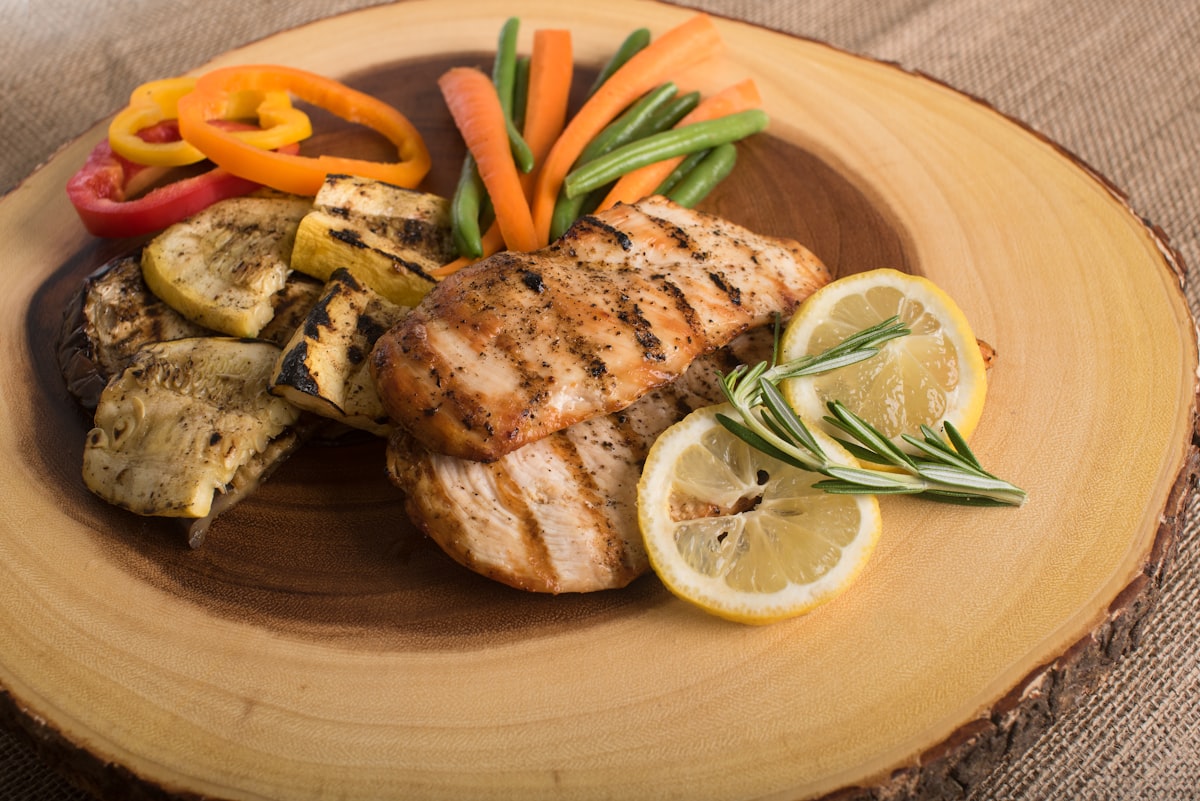
| Lunch | Salad with Vinaigrette (2g) | Salad with 3oz Chicken Breast (28g) | +26g |
| Snack | Apple (0g) | Apple + 1oz Almonds (6g) | +6g |
| Dinner | Pasta with Marinara (6g) | Pasta with Meat Sauce or Lentils (24g) | +18g |
Common Mistakes to Avoid
- Thinking a bowl of cereal is enough breakfast: Most cereals have almost zero protein. Add Greek yogurt or eggs.
- Avoiding meat entirely without planning: If you go vegetarian, you must actively combine plant proteins to get all essential amino acids.
- Fearing kidney damage: Unless you have diagnosed chronic kidney disease (CKD), high protein intake is safe for older kidneys.
- Ignoring resistance training: Eating protein provides the bricks, but lifting weights (or doing bodyweight exercises) is the construction worker that actually builds the muscle.
The Bottom Line
Protein is the most important macronutrient for preserving your independence as you age. Calculate your target, spread it evenly across three meals, and pair it with resistance exercise.
Frequently Asked Questions
Is whey protein safe for seniors?
Yes, whey protein is highly bioavailable and excellent for seniors, especially those with poor appetites. Just choose one without excessive added sugar.
I have kidney disease. Should I eat this much protein?
No. If you have chronic kidney disease (CKD), you must follow your nephrologist's specific guidelines, which will likely require a lower protein intake.
What is the best plant-based protein?
Tofu, tempeh, lentils, edamame, and quinoa are excellent plant-based sources.
Does collagen powder count toward my daily protein?
Collagen is good for joints and skin, but it is not a complete protein (it lacks tryptophan). Do not count it as your primary protein source for muscle building.
How do I know if I'm not getting enough protein?
Signs include muscle weakness, fatigue, slow wound healing, frequent infections, and fluid retention (swelling).
Is it better to get protein from food or supplements?
Food is always best because it comes with vitamins, minerals, and fiber. Use supplements (like shakes) only to bridge the gap if you can't eat enough.
Sources & References
- PROT-AGE Study Group. (2013). Evidence-based recommendations for optimal dietary protein intake in older people.
- American Geriatrics Society. (2022). Nutrition for Older Adults.
- National Institutes of Health. (2023). Dietary Protein and Muscle in Older Persons.
Table of Contents
Join Our Newsletter
Get weekly health tips delivered to your inbox.
HealthyLivingAfter60 Editorial Team
Our editorial team creates evidence-based educational content focused on healthy aging, nutrition, exercise, chronic disease prevention, and wellness for adults over 60. Content is reviewed for accuracy and supported by trusted medical sources.
Read our Editorial PolicyRelated Articles