Healthy Grocery Shopping Guide for Seniors
HealthyLivingAfter60 Editorial Team
Reviewed by the HealthyLivingAfter60 Editorial Team
Key Takeaways
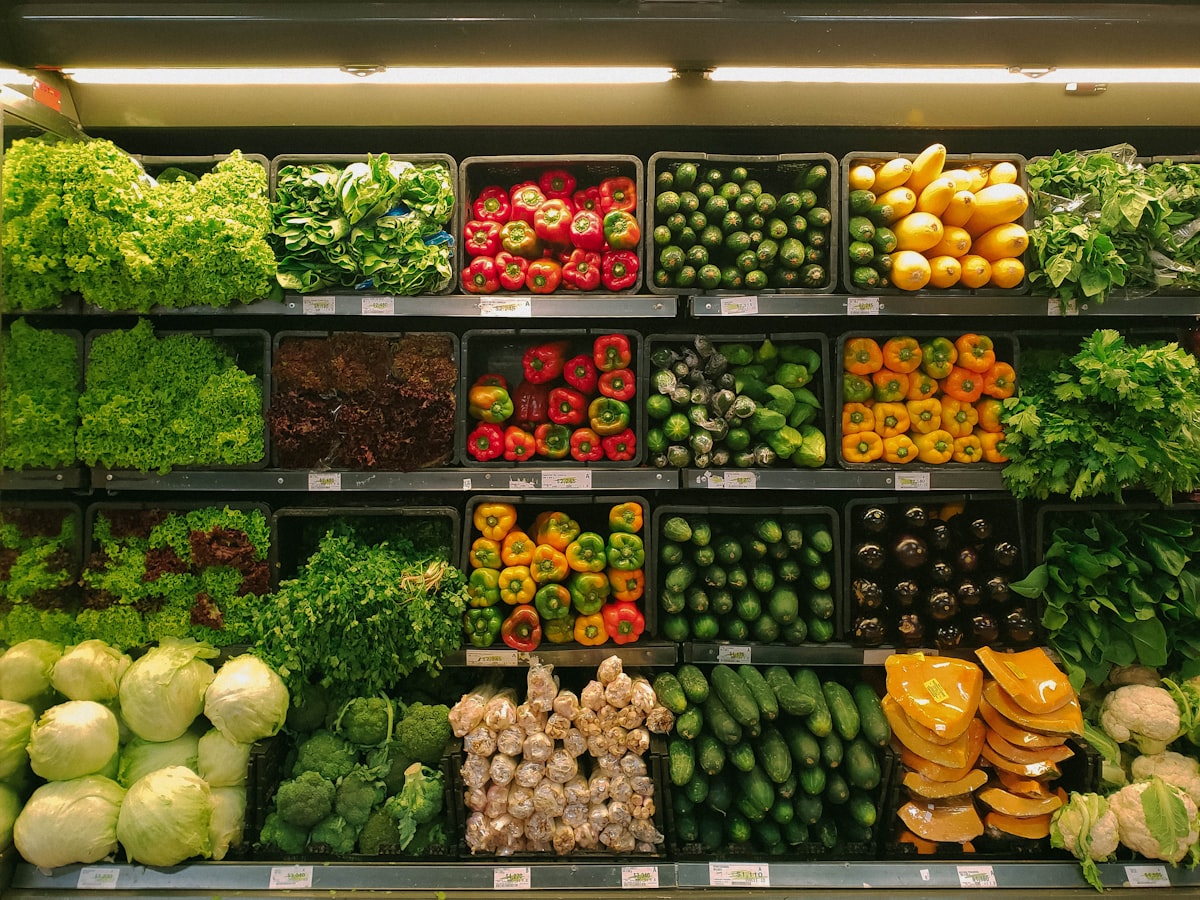
- ✅ Shop the Perimeter: The healthiest foods (produce, meat, dairy) are located on the outer edges of the store.
- ✅ Read the Ingredients: If the ingredient list is longer than a few lines or contains words you can't pronounce, put it back.
- ✅ Beware of 'Healthy' Marketing: Labels like 'Low Fat' often mean 'High Sugar.'
- ✅ Frozen is Fine: Frozen vegetables and fruits are just as nutritious as fresh, last longer, and save money.
Healthy eating doesn't start in the kitchen; it starts in the grocery store aisles. For adults over 60, navigating a supermarket filled with highly processed foods, confusing nutrition labels, and clever marketing can be overwhelming. Making the right choices at the store dictates what you will eat all week.
This practical guide teaches you how to shop efficiently, how to decode nutrition labels, and how to stock a senior-friendly pantry that supports heart health, blood sugar control, and a realistic budget.
Where 80% of your grocery shopping should take place.
The #1 hidden ingredient to check for on canned goods and soups.
Shopping with a list reduces impulse buys of processed foods by up to 40%.
How to Read a Nutrition Label After 60
When looking at a nutrition label, focus on three main things: Serving Size (is the sodium or sugar listed for the whole can, or just half?), Added Sugars (aim for zero or very low), and Sodium (look for less than 140mg per serving for low-sodium). Ignore the marketing on the front of the box; the truth is always on the black and white panel on the back.
Myth vs. Fact
Myth: Fresh vegetables are always healthier than frozen.
Fact: Frozen vegetables are flash-frozen immediately after harvesting, locking in their nutrients. Fresh vegetables often lose nutrients during transport and while sitting on the shelf.
Expert Tip
From the Dietitian
Never go grocery shopping when you are hungry. You are biologically wired to crave high-calorie, sugary foods when your blood sugar is low, making it nearly impossible to resist the bakery or snack aisles.
| Aisle | What to Buy | What to Avoid |
|---|---|---|
| Produce | Leafy greens, berries, apples, cruciferous veggies | Pre-cut fruit in sugary syrups |
| Meat & Seafood | Salmon, chicken breast, ground turkey | Bacon, sausage, hot dogs, deli meats |
| Dairy | Plain Greek yogurt, eggs, cottage cheese | Flavored yogurts (high sugar) |
| Canned Goods | Beans (no salt added), diced tomatoes, tuna | Canned soups (extremely high sodium) |
| Grains | Oats, quinoa, brown rice, sprouted bread | White bread, sugary cereals, pastries |
| Freezer | Plain frozen veggies, frozen berries | Frozen dinners, frozen pizzas |
Common Mistakes to Avoid
- Buying in bulk for one: Buying fresh produce in bulk often leads to food waste. Buy fresh for the next few days, and rely on frozen for the rest of the week.
- Falling for 'Cholesterol Free' labels on plant foods: Only animal products contain cholesterol. A bottle of vegetable oil labeled 'Cholesterol Free' is just a marketing trick.
- Buying pre-marinated meats: They are heavily loaded with sodium and preservatives. Buy plain meat and season it yourself.
- Ignoring canned fish: Canned salmon and sardines are cheap, shelf-stable, and incredibly healthy. Just look for ones packed in water or olive oil.
The Bottom Line
A healthy diet is built at the grocery store. By sticking to the perimeter, reading labels carefully, and avoiding the highly processed middle aisles, you set yourself up for a week of nutritious, heart-healthy eating.
Frequently Asked Questions
Do I need to buy organic?
Not necessarily. If budget allows, buy organic for the 'Dirty Dozen' (like strawberries and spinach), but eating conventional produce is far better than eating no produce at all.
How can I reduce my grocery bill?
Buy frozen vegetables, canned beans, eggs, and seasonal produce. Meat is the most expensive item; try substituting lentils or beans a few nights a week.
What is the best bread to buy?
Look for 100% whole wheat or sprouted grain bread. The first ingredient must say 'whole'. If it says 'enriched wheat flour,' it is white bread.
Are meal delivery kits good for seniors?
They can be excellent for portion control and convenience, but check the sodium levels, as some sauces are very salty.
Is deli meat healthy?
Most deli meats are highly processed and packed with sodium and nitrates. It is better to roast a chicken breast at home and slice it for sandwiches.
What should I look for in canned beans?
Always buy 'No Salt Added' or 'Low Sodium'. If you can't find them, rinse regular canned beans thoroughly in a colander to remove up to 40% of the sodium.
Sources & References
- National Institute on Aging. (2023). Smart Food Choices for Healthy Aging.
- American Heart Association. (2022). Grocery Shopping Guide.
- Mayo Clinic. (2023). Healthy Grocery Shopping Strategies.
Table of Contents
Join Our Newsletter
Get weekly health tips delivered to your inbox.
HealthyLivingAfter60 Editorial Team
Our editorial team creates evidence-based educational content focused on healthy aging, nutrition, exercise, chronic disease prevention, and wellness for adults over 60. Content is reviewed for accuracy and supported by trusted medical sources.
Read our Editorial PolicyRelated Articles