Foods for Brain Health After 60
HealthyLivingAfter60 Editorial Team
Reviewed by the HealthyLivingAfter60 Editorial Team
Key Takeaways
- ✅ Leafy Greens: One serving a day is associated with slower cognitive decline.
- ✅ Berries are Brain Food: Blueberries in particular protect the brain from oxidative stress.
- ✅ Omega-3s: The brain is 60% fat; DHA from fish is essential for maintaining brain cell structure.
- ✅ Limit Fried Foods: Trans fats and highly processed foods increase brain inflammation.
Cognitive decline is one of the greatest fears for adults over 60, but research shows that what you eat directly impacts your brain's structure and function. The MIND diet (a hybrid of the Mediterranean and DASH diets) has been shown to lower the risk of Alzheimer's disease by up to 53% in strict adherents.
This guide explores the specific neuro-protective foods that fight brain inflammation, improve memory, and support long-term cognitive health, as well as the foods that accelerate cognitive decline.
Potential reduction in Alzheimer's risk for strict followers of the MIND diet.
Recommended servings of leafy greens per week for optimal brain health.
Eating fish just once a week is linked to slower cognitive decline.
The MIND Diet Principles
The MIND diet specifically targets brain health. It emphasizes 10 brain-healthy food groups: green leafy vegetables, all other vegetables, nuts, berries, beans, whole grains, fish, poultry, olive oil, and wine (in moderation). It strictly limits 5 unhealthy groups: red meat, butter/margarine, cheese, pastries/sweets, and fried/fast food. The focus is on reducing oxidative stress and preventing the buildup of beta-amyloid plaques in the brain.
Myth vs. Fact
Myth: Memory loss is just a normal, unavoidable part of aging.
Fact: While slight processing speed changes are normal, significant memory loss is not. Diet, exercise, and mental stimulation can preserve cognitive function well into your 80s and 90s.
Expert Tip
From the Neurologist
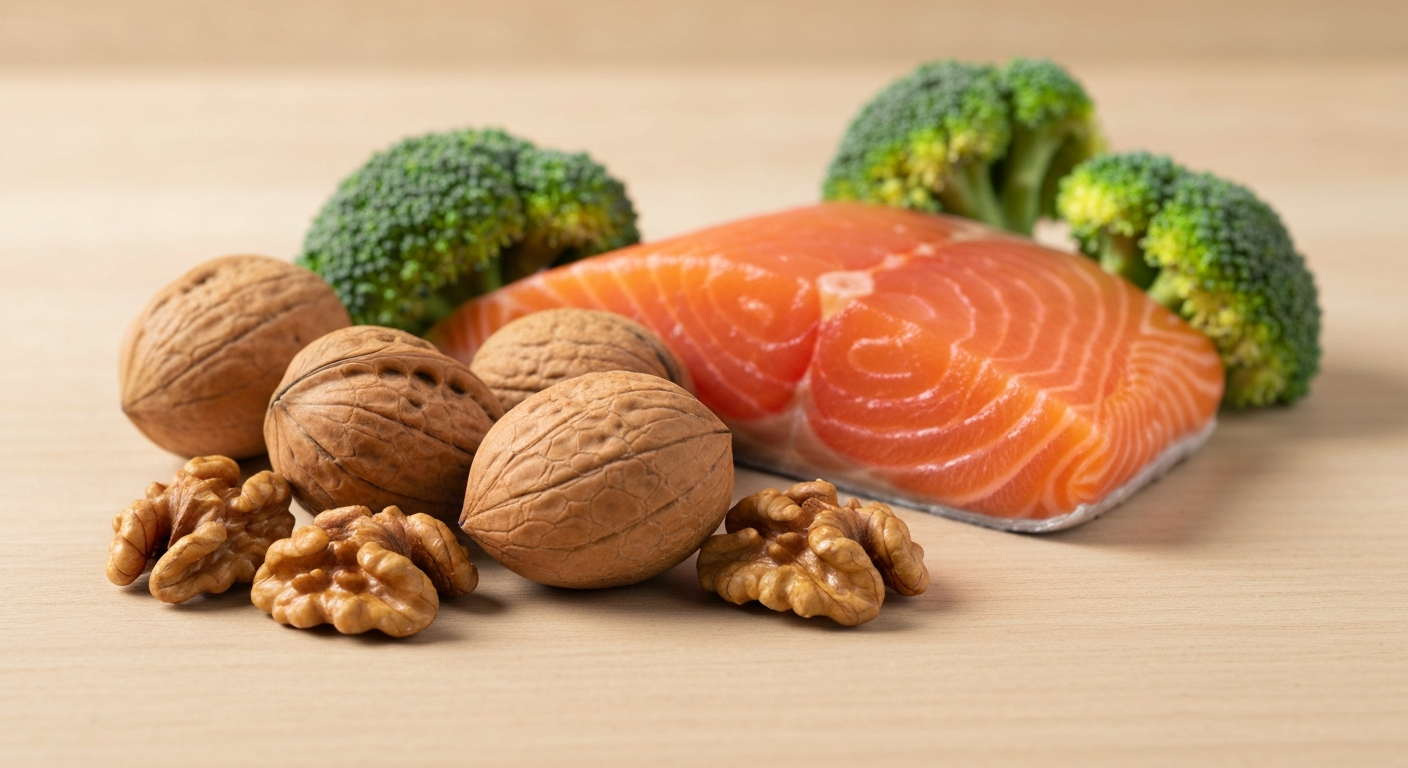
Walnuts are uniquely beneficial for the brain. They are the only tree nut that provides an excellent source of alpha-linolenic acid (ALA), a plant-based Omega-3. Eating just a handful a day provides significant neuro-protection.
| Brain Food | Key Nutrient | Recommended Intake |
|---|---|---|
| Salmon / Sardines | DHA (Omega-3) | At least 1-2 times per week |
| Blueberries | Anthocyanins | At least 2 half-cup servings per week |
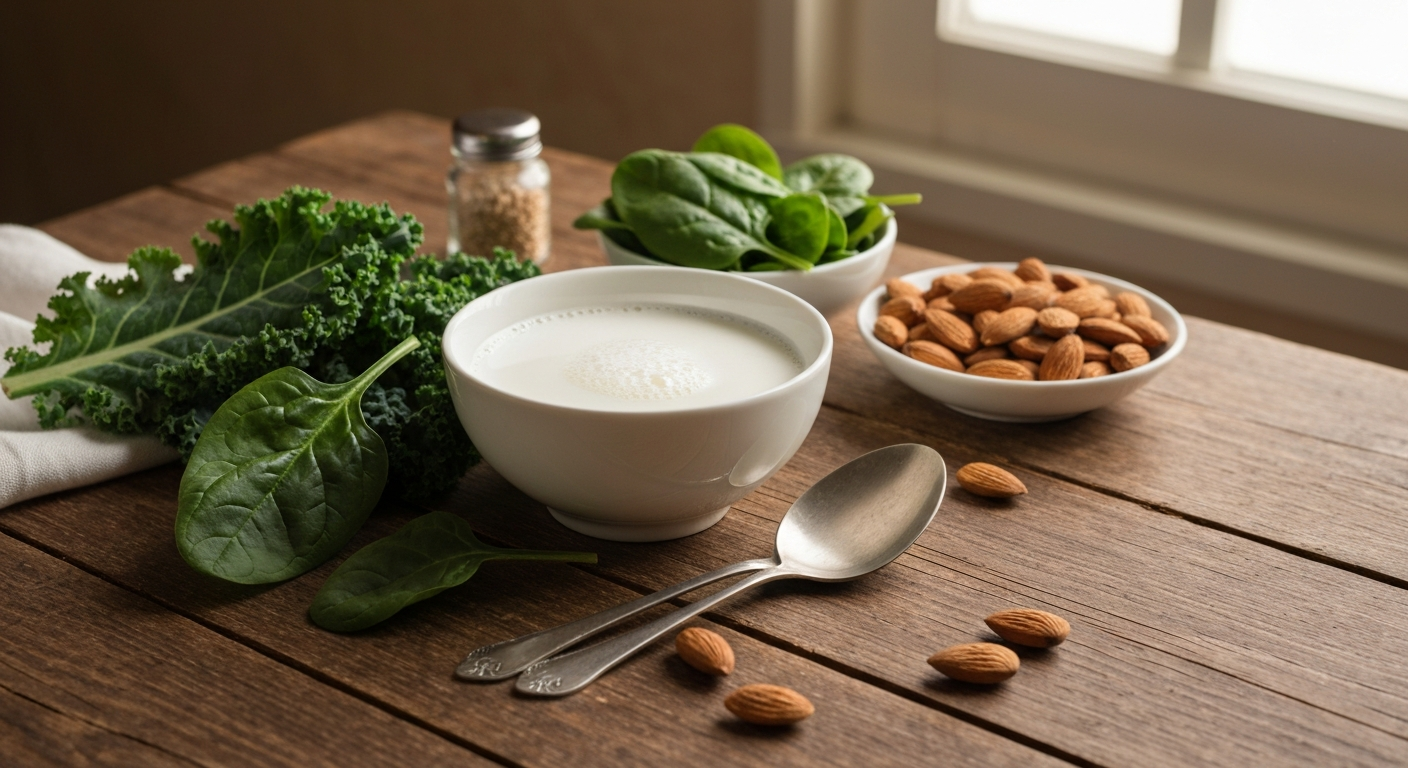
| Spinach / Kale | Vitamin K, Lutein | At least 6 servings per week |
| Walnuts | ALA, Vitamin E | Small handful 5 times a week |
| Extra Virgin Olive Oil | Polyphenols | Use as primary cooking/dressing oil |
| Broccoli | Sulforaphane, Vitamin K | Several times a week |
Common Mistakes to Avoid
- Relying on supplements instead of food: 'Brain boosting' supplements rarely have clinical evidence. Get your nutrients from whole foods.
- Eating too much sugar: High blood sugar damages blood vessels in the brain, increasing the risk of vascular dementia.
- Avoiding all fats: Your brain needs healthy fats. Extreme low-fat diets deprive the brain of necessary structural components.
- Dehydration: Even mild dehydration can cause brain fog and confusion in older adults. Drink water constantly.
The Bottom Line
Protecting your brain requires a consistent dietary pattern rich in antioxidants, healthy fats, and leafy greens, while strictly limiting sugar and processed fats. What is good for the heart is good for the brain.
Frequently Asked Questions
Can diet reverse dementia?
No. Diet cannot cure or reverse Alzheimer's or dementia once it has progressed, but it can significantly delay onset and slow progression in early stages.
Are eggs good for the brain?
Yes. Eggs are rich in choline, a nutrient that is essential for memory and brain function.
Does coffee help or hurt the brain?
Moderate coffee consumption (1-2 cups a day) is linked to a lower risk of Alzheimer's and Parkinson's due to high antioxidant levels.
Is coconut oil good for Alzheimer's?
Despite internet claims, there is no strong clinical evidence that coconut oil prevents or treats Alzheimer's. It is also very high in saturated fat.
What is the worst food for the brain?
Trans fats (found in commercial baked goods and fried foods) and excessive refined sugar.
Do I need a DHA supplement?
If you never eat fish, an algae-based DHA supplement or high-quality fish oil is strongly recommended for brain health.
Sources & References
- Rush University Medical Center. (2023). The MIND Diet.
- Harvard Medical School. (2022). Foods linked to better brainpower.
- Alzheimer's Association. (2023). Brain-Healthy Diet.
Table of Contents
Join Our Newsletter
Get weekly health tips delivered to your inbox.
HealthyLivingAfter60 Editorial Team
Our editorial team creates evidence-based educational content focused on healthy aging, nutrition, exercise, chronic disease prevention, and wellness for adults over 60. Content is reviewed for accuracy and supported by trusted medical sources.
Read our Editorial PolicyRelated Articles