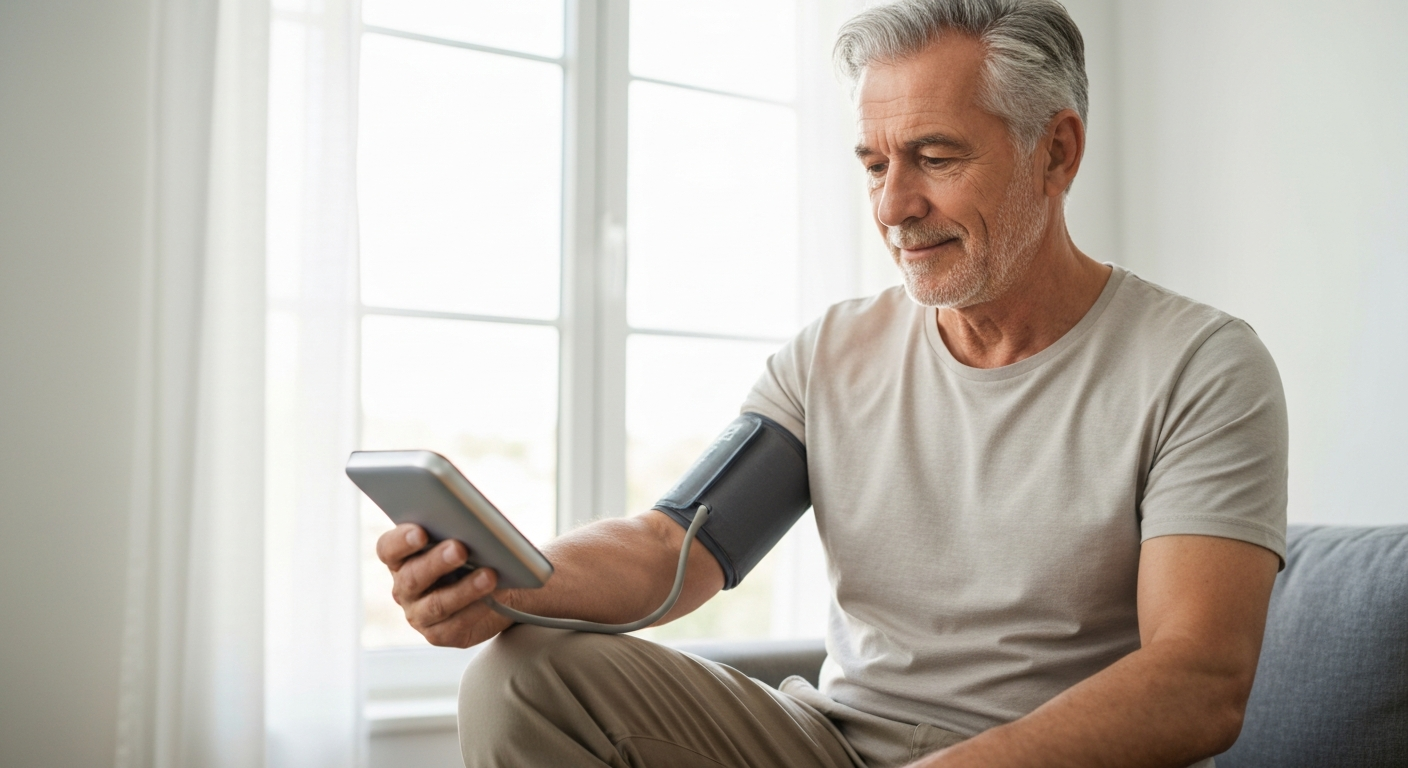
Warning Signs of Heart Disease Seniors Should Never Ignore
HealthyLivingAfter60 Editorial Team
Reviewed by the HealthyLivingAfter60 Editorial Team
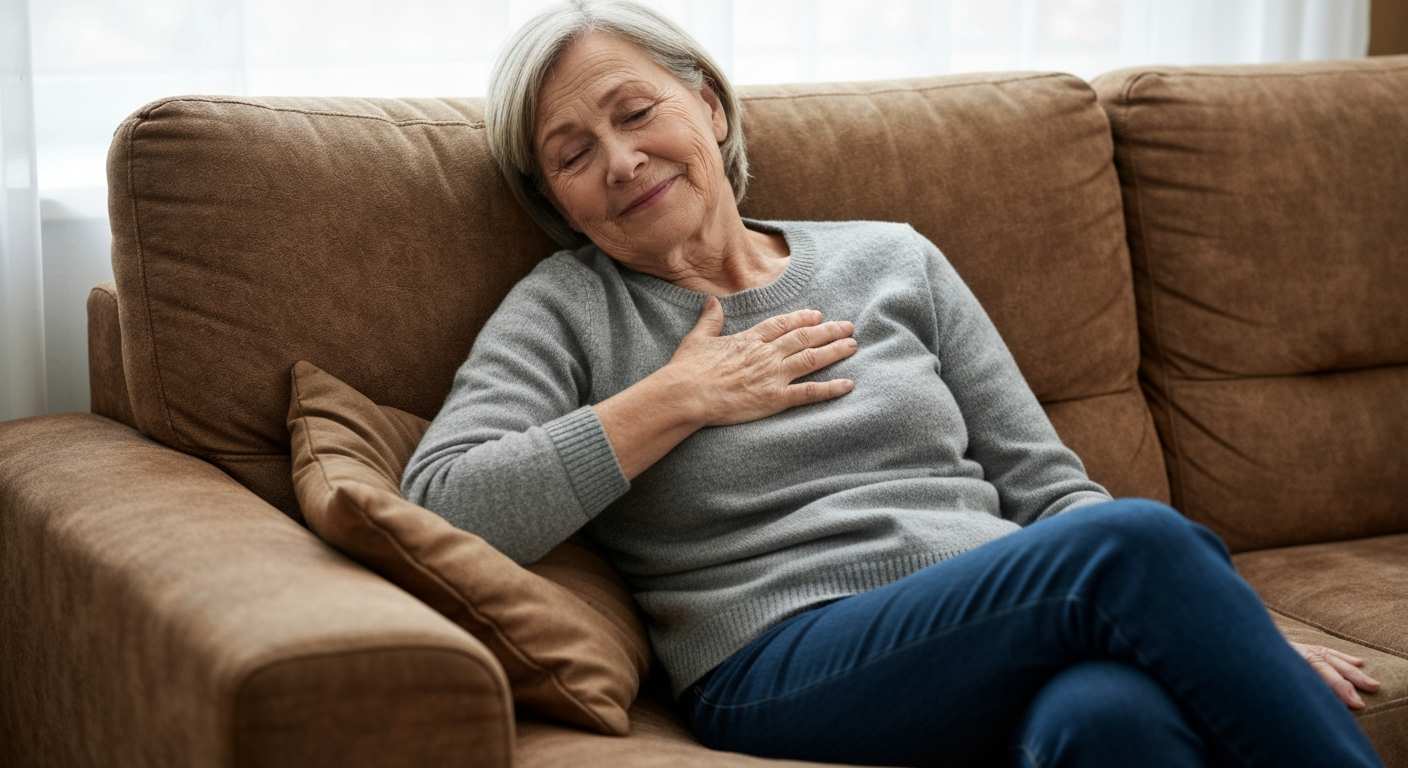
Key Takeaways
- ✅ Symptoms Can Be Subtle: Extreme fatigue, nausea, or jaw pain can be the only signs of a heart attack, especially in women.
- ✅ Time is Muscle: The faster you receive medical attention during a heart attack, the less permanent damage your heart sustains.
- ✅ Don't Blame Aging: Sudden shortness of breath or inability to perform normal daily activities is not just 'getting older'.
- ✅ Call 911, Don't Drive: If you suspect a heart attack, always call emergency services rather than driving yourself to the hospital.
Heart disease doesn't always announce itself with the dramatic, crushing chest pain often depicted in movies. For adults over 60, and particularly for women and individuals with diabetes, the warning signs of a heart attack or failing heart can be subtle, unusual, and easily mistaken for other age-related ailments.
This critical guide outlines the vital warning signs of cardiovascular distress that should never be ignored. Knowing how to recognize these atypical symptoms can mean the difference between getting life-saving treatment in time and suffering irreversible heart damage.
The maximum time you should wait to call 911 if heart attack symptoms do not resolve.
Of women experience extreme, unexplained fatigue in the weeks leading up to a heart attack.
Of heart attack deaths occur outside the hospital because people wait too long to seek help.
Atypical Symptoms in Older Adults
As we age, our pain perception can change. For seniors, a heart attack might present as a feeling of fullness, indigestion, or a dull ache rather than sharp pain. Furthermore, individuals with diabetes may have nerve damage (neuropathy) that mutes chest pain entirely, leading to 'silent' heart attacks.
Instead of chest pain, older adults might experience profound weakness, sudden confusion, dizziness, or a cold sweat. If you suddenly feel 'off' or experience a rapid decline in your ability to exert yourself, it warrants immediate medical evaluation.
Myth vs. Fact
Myth: A heart attack always feels like an elephant is sitting on your chest.
Fact: While chest pressure is common, many people, especially women and seniors, experience a heart attack as shortness of breath, extreme fatigue, nausea, or pain in the back or jaw without any chest pain at all.
Expert Tip
From the Emergency Room Physician
Never feel embarrassed about coming to the ER for a 'false alarm'. We would much rather tell you that you just have indigestion than see you arrive too late to treat a massive heart attack. When in doubt, get checked out.
| Symptom | What it Might Feel Like | What it Could Indicate |
|---|---|---|
| Chest Discomfort | Pressure, squeezing, fullness, or pain in the center of the chest | Heart Attack / Angina |
| Radiating Pain | Pain or discomfort in one or both arms, the back, neck, jaw, or stomach | Heart Attack |
| Shortness of Breath | Gasping for air with or without chest discomfort, especially when lying flat | Heart Attack / Heart Failure |
| Cold Sweat | Breaking out in a sudden, unexplained cold sweat | Heart Attack |
| Swelling (Edema) | Noticeable swelling in the legs, ankles, or feet | Heart Failure |
| Extreme Fatigue | Profound, unexplained exhaustion lasting for days | Heart Attack / Heart Failure |
Common Mistakes to Avoid
- Waiting to See if it Passes: Delaying medical care destroys heart muscle. If symptoms last more than a few minutes, seek help.
- Driving Yourself to the ER: If you lose consciousness while driving, you endanger yourself and others. Paramedics can begin life-saving treatment in the ambulance.
- Dismissing Symptoms as Indigestion: Heart attack pain often mimics heartburn. If antacids don't help, or the pain is accompanied by sweating or shortness of breath, call 911.
- Ignoring Jaw or Back Pain: Heart pain often radiates to the left arm, neck, jaw, or upper back.
- Minimizing Women's Symptoms: Women are more likely to experience nausea, vomiting, and extreme fatigue rather than classic chest pressure.
The Bottom Line
Knowing the subtle and atypical warning signs of heart disease can save your life. Never ignore sudden shortness of breath, radiating pain, or unexplained fatigue, and always err on the side of caution by seeking immediate emergency care.
Frequently Asked Questions
What should I do while waiting for the ambulance?
Chew and swallow one regular-strength (325 mg) uncoated aspirin, unless you are allergic or your doctor has told you never to take aspirin. Keep the person calm and seated.
How is a heart attack different in women?
Women are more likely than men to have heart attack symptoms unrelated to chest pain, such as neck/jaw pain, shoulder pain, upper back pain, abdominal discomfort, sweating, nausea, and unusual fatigue.
What are the warning signs of heart failure?
Unlike a heart attack (which is sudden), heart failure develops gradually. Warning signs include increasing shortness of breath, persistent coughing, swelling in the ankles/legs, and sudden weight gain from fluid retention.
Can a panic attack mimic a heart attack?
Yes, panic attacks can cause chest pain, racing heart, and shortness of breath. However, because the symptoms are so similar to a heart attack, they require professional medical evaluation to rule out a cardiac event.
What is angina?
Angina is chest pain or discomfort caused when your heart muscle doesn't get enough oxygen-rich blood. It is a symptom of underlying heart disease and a warning sign for a future heart attack.
Are 'silent' heart attacks real?
Yes. A silent heart attack has no symptoms, minimal symptoms, or unrecognized symptoms. They are often discovered later during a routine ECG and are particularly common in people with diabetes.
Sources & References
- American Heart Association. (2023). Warning Signs of a Heart Attack.
- Mayo Clinic. (2022). Heart attack symptoms: Know what's a medical emergency.
- Centers for Disease Control and Prevention (CDC). (2023). Heart Attack Symptoms, Risk, and Recovery.
Table of Contents
Join Our Newsletter
Get weekly health tips delivered to your inbox.
HealthyLivingAfter60 Editorial Team
Our editorial team creates evidence-based educational content focused on healthy aging, nutrition, exercise, chronic disease prevention, and wellness for adults over 60. Content is reviewed for accuracy and supported by trusted medical sources.
Read our Editorial PolicyRelated Articles

How to Prevent Heart Disease After 60: 2026 Guide
8 min read