Signs of Poor Circulation
HealthyLivingAfter60 Editorial Team
Reviewed by the HealthyLivingAfter60 Editorial Team
Key Takeaways
- ✅ It's More Than Just Cold Feet: Pain, cramping, or weakness in the legs while walking (claudication) is a hallmark sign of poor circulation.
- ✅ A Window to the Heart: Plaque buildup in the legs often means there is plaque buildup in the heart and brain arteries as well.
- ✅ Diabetes Increases Risk: High blood sugar damages blood vessels and nerves, making poor circulation more likely and harder to detect.
- ✅ Movement is Therapy: Supervised walking programs are one of the most effective treatments for improving circulation in the legs.
Your circulatory system is a vast network of highways delivering oxygen and nutrients to every cell in your body. As we age, plaque buildup, high blood pressure, and diabetes can cause these highways to narrow or become blocked, leading to poor circulation.
While cold hands and feet are common complaints, poor circulation in adults over 60 can be a major warning sign of Peripheral Artery Disease (PAD) or impending heart issues. This guide details the symptoms you should never ignore, how poor circulation is diagnosed, and what you can do to improve blood flow.
Estimated number of Americans with Peripheral Artery Disease (PAD).
Of people with PAD do not experience the classic symptom of leg pain.
Increased risk of developing PAD for smokers compared to non-smokers.
What Causes Poor Circulation?
The most common cause of poor circulation in older adults is atherosclerosis—the buildup of fatty plaques in the arteries. When this happens in the arteries supplying blood to the arms, legs, or pelvis, it is called Peripheral Artery Disease (PAD).
Other causes include blood clots, varicose veins, and diabetes. In diabetes, chronic high blood sugar damages the lining of the small blood vessels, impeding flow. Because poor circulation often develops slowly, many seniors mistakenly attribute the symptoms to 'just getting older' or arthritis.
Myth vs. Fact
Myth: Cold hands and feet always mean I have poor circulation or a heart problem.
Fact: While it can be a symptom, cold extremities are often just a normal reaction to cold temperatures or a harmless condition like Raynaud's phenomenon. However, if accompanied by pain, numbness, or color changes, it needs evaluation.
Expert Tip
From the Vascular Surgeon
Check your feet daily, especially if you have diabetes. Poor circulation means small cuts or blisters don't get the blood flow they need to heal, which can quickly lead to severe infections or ulcers.
| Symptom | What it Looks/Feels Like | Possible Indication |
|---|---|---|
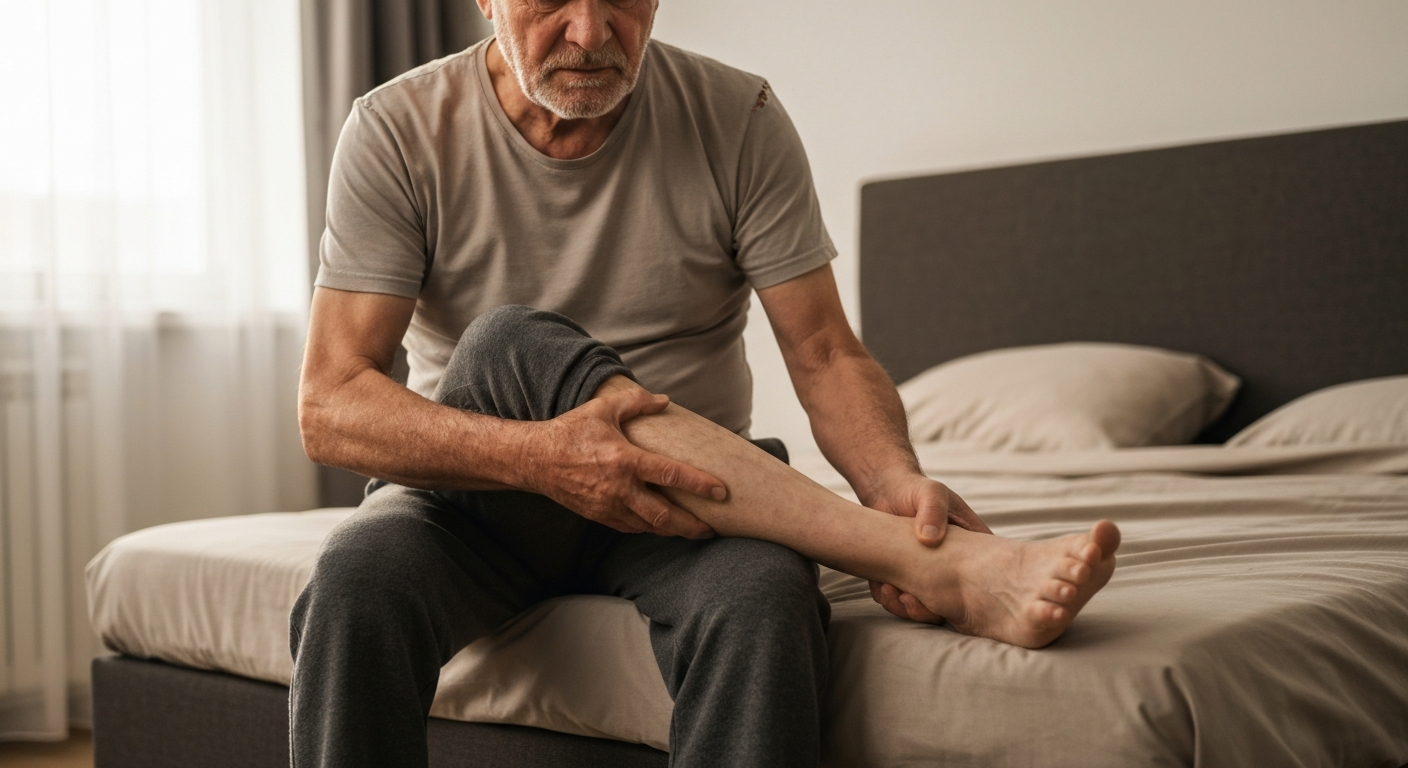
| Claudication | Pain, aching, or cramping in calves/thighs when walking that stops with rest | Peripheral Artery Disease (PAD) |
| Skin Changes | Shiny, tight skin on the legs, or loss of hair on the legs and feet | Chronic poor circulation |
| Slow Healing | Cuts, blisters, or sores on the feet/toes that take weeks to heal | Severe PAD or Diabetic vascular damage |
| Color Changes | Toes or feet turning pale, blue, or dark red | Lack of oxygenated blood |
| Numbness | Loss of sensation or a 'pins and needles' feeling in the extremities | Nerve damage (often from poor blood flow) |
Common Mistakes to Avoid
- Ignoring Leg Pain: Assuming cramping in your calves while walking is just muscle fatigue or arthritis.
- Staying Sedentary: Avoiding walking because it hurts. (Under medical guidance, walking through mild pain actually helps build new blood vessels).
- Wearing Tight Clothing: Tight socks, belts, or undergarments can restrict blood flow even further.
- Smoking: Nicotine constricts blood vessels instantly. Smoking is the absolute worst thing you can do for poor circulation.
- Not Inspecting Feet: Failing to notice slow-healing sores on the toes or feet until they become infected.
The Bottom Line
Poor circulation is not just an annoyance; it is a warning sign of systemic cardiovascular disease. If you experience leg pain while walking or notice slow-healing sores, consult your doctor for a simple circulation test.
Frequently Asked Questions
How does a doctor test for poor circulation?
The most common test is the Ankle-Brachial Index (ABI), a painless test that compares the blood pressure in your ankle with the blood pressure in your arm.
Can poor circulation be reversed?
While you can't completely 'cure' atherosclerosis, you can significantly improve blood flow and symptoms through exercise, quitting smoking, and managing blood pressure and cholesterol.
Why does my leg pain stop when I sit down?
When you walk, your leg muscles need more oxygen. If your arteries are narrowed, they can't deliver enough oxygenated blood, causing cramping (claudication). When you rest, the demand for oxygen drops, and the pain subsides.
Do compression socks help?
Compression socks help with vein issues (like varicose veins or swelling) by helping push blood back up to the heart. However, if you have arterial issues (PAD), compression socks can actually restrict blood flow further. Ask your doctor first.
Is it bad to cross my legs?
Crossing your legs at the knee can temporarily increase blood pressure and restrict blood flow. While it won't cause permanent damage, it's better to keep your feet flat on the floor if you have circulation issues.
What is the best exercise for poor circulation in the legs?
A supervised walking program is the gold standard. You walk until you feel mild to moderate pain, rest until it subsides, and then walk again. Over time, this forces the body to create new, smaller blood vessels (collateral circulation).
Sources & References
- American Heart Association. (2023). About Peripheral Artery Disease (PAD).
- Mayo Clinic. (2022). Poor circulation: Is it a sign of a serious problem?
- National Heart, Lung, and Blood Institute. (2023). Peripheral Artery Disease.
Table of Contents
Join Our Newsletter
Get weekly health tips delivered to your inbox.
HealthyLivingAfter60 Editorial Team
Our editorial team creates evidence-based educational content focused on healthy aging, nutrition, exercise, chronic disease prevention, and wellness for adults over 60. Content is reviewed for accuracy and supported by trusted medical sources.
Read our Editorial PolicyRelated Articles

How to Prevent Heart Disease After 60: 2026 Guide
6 min read