How to Lower Cholesterol Naturally
HealthyLivingAfter60 Editorial Team
Reviewed by the HealthyLivingAfter60 Editorial Team
Key Takeaways
- ✅ Soluble Fiber is a Sponge: Foods like oats, beans, and psyllium husk actively bind to cholesterol in your digestive tract and remove it from your body.
- ✅ Swap, Don't Stop Fats: Replace saturated fats (butter, red meat) with unsaturated fats (olive oil, avocados) to significantly lower LDL.
- ✅ Plant Sterols Work: Naturally occurring compounds in nuts and fortified foods block cholesterol absorption in the gut.
- ✅ Exercise Boosts the Good: Regular aerobic activity is one of the few natural ways to effectively raise your HDL (good) cholesterol.
If your doctor has informed you that your LDL (bad) cholesterol is creeping up, you have a powerful opportunity to intervene. Before turning to medication, or as a supplement to it, targeted dietary and lifestyle changes can profoundly impact your lipid profile.
This actionable guide outlines the most effective, evidence-based natural strategies to lower your LDL cholesterol and triglycerides while boosting your heart-protective HDL. By focusing on specific foods, fibers, and physical activities, you can take control of your cardiovascular health.
Potential LDL reduction from adding 5-10 grams of soluble fiber to your daily diet.
Potential LDL reduction from replacing saturated fats with polyunsaturated fats.
Average increase in HDL (good) cholesterol from starting a regular aerobic exercise routine.
The Dietary Defense Against LDL
Lowering cholesterol naturally requires a two-pronged dietary approach: reducing the intake of foods that cause your liver to produce excess LDL, and increasing the intake of foods that help your body excrete it. The primary culprits that raise LDL are saturated fats (found in fatty meats, full-fat dairy, and tropical oils) and trans fats (found in some processed baked goods).
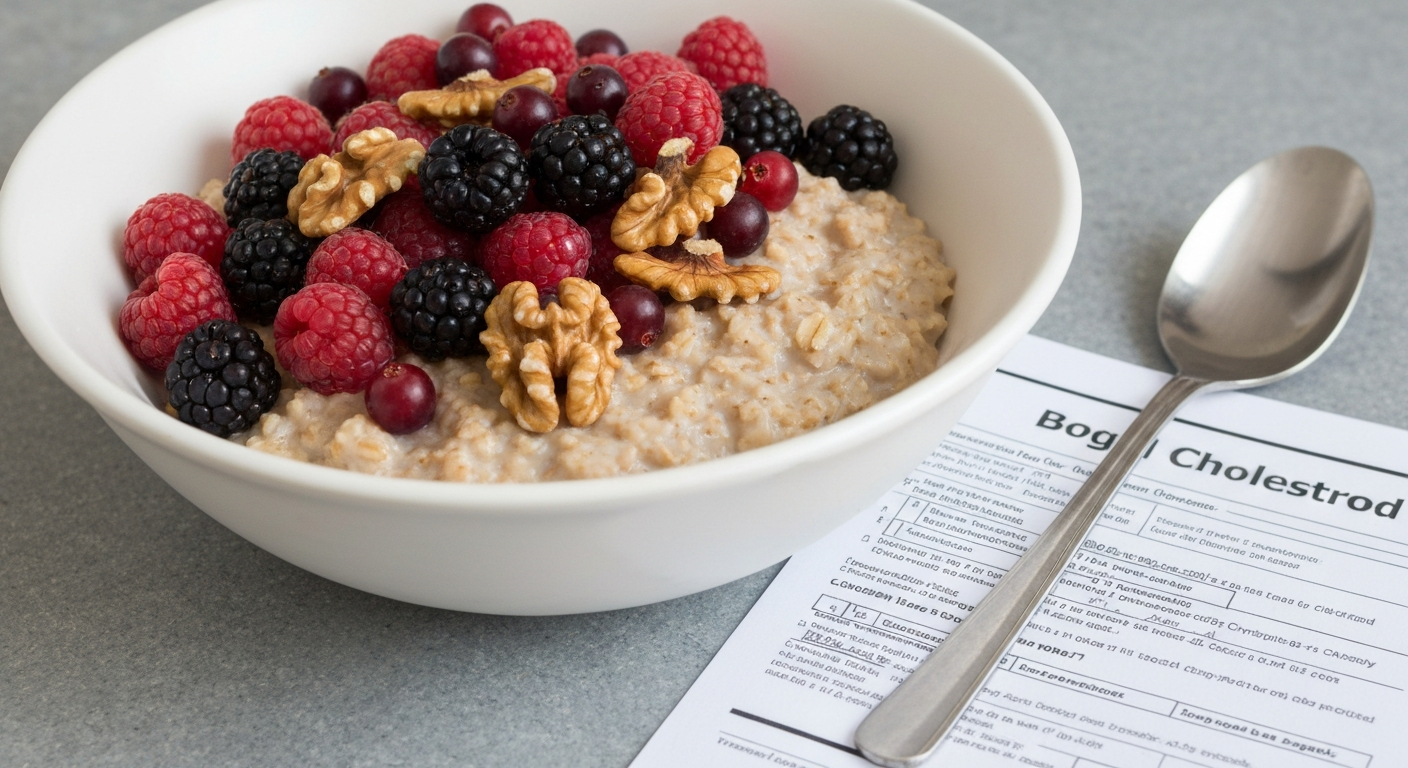
Conversely, soluble fiber is your greatest ally. When digested, it forms a gel-like substance in the intestines that binds to cholesterol-rich bile acids, carrying them out of the body in waste. To replace these bile acids, the liver pulls LDL cholesterol out of the bloodstream, effectively lowering your numbers.
Myth vs. Fact
Myth: If I take a statin medication, I can eat whatever I want.
Fact: Statins are highly effective, but a poor diet can overwhelm the medication. Furthermore, a heart-healthy diet provides antioxidants and lowers blood pressure—benefits that statins do not provide.
Expert Tip
From the Clinical Dietitian
If you are increasing your fiber intake to lower cholesterol, do it slowly over a few weeks, and make sure you significantly increase your water intake at the same time. Otherwise, the sudden increase in fiber can cause severe constipation and bloating.
| Goal | Foods to Limit/Avoid | Foods to Add/Increase |
|---|---|---|
| Lower LDL (Bad) | Fatty beef, butter, cheese, coconut oil, fried foods | Oats, barley, beans, lentils, eggplant, okra |
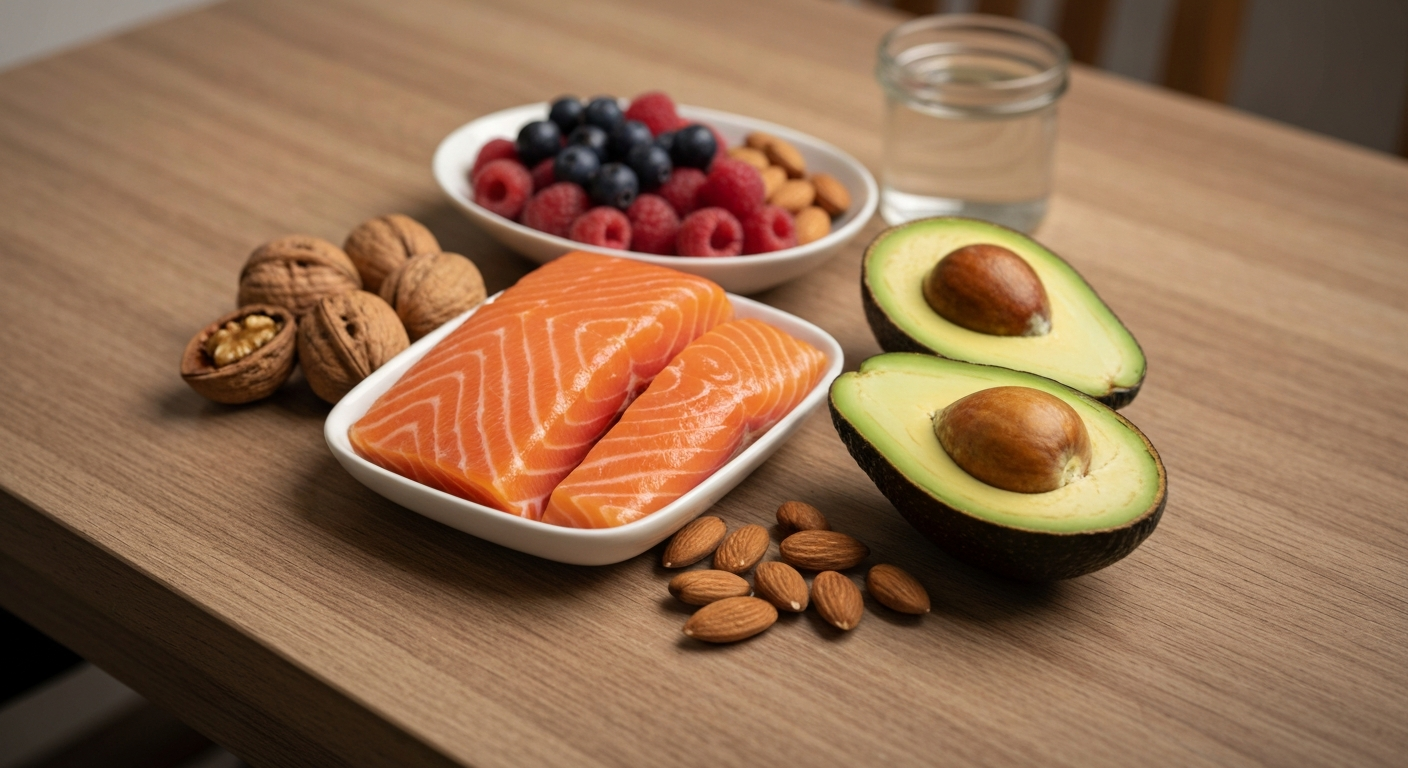
| Raise HDL (Good) | Trans fats (partially hydrogenated oils), smoking | Olive oil, avocados, almonds, fatty fish (salmon) |
| Lower Triglycerides | Alcohol, sugary drinks, pastries, white bread | Flaxseeds, chia seeds, walnuts, leafy greens |
| Block Absorption | Highly processed snack foods | Foods fortified with plant sterols/stanols, almonds |
Common Mistakes to Avoid
- Replacing Fat with Sugar: Switching from full-fat yogurt to fat-free, high-sugar yogurt will lower LDL but cause triglycerides to skyrocket, which is equally bad for the heart.
- Ignoring Liquid Calories: Alcohol and sugary sodas are primary drivers of high triglycerides.
- Only Eating Chicken: While leaner than beef, chicken skin and dark meat still contain significant saturated fat. Incorporate plant-based proteins like lentils and beans.
- Frying Healthy Foods: Frying fish or vegetables in unhealthy oils negates their cardiovascular benefits.
- Over-relying on Coconut Oil: Despite internet trends, coconut oil is very high in saturated fat and has been shown to raise LDL cholesterol significantly.
The Bottom Line
You have significant control over your cholesterol levels. By prioritizing soluble fiber, swapping saturated fats for healthy unsaturated fats, and staying physically active, you can naturally and effectively improve your lipid profile.
Frequently Asked Questions
What is soluble fiber, and where do I find it?
Soluble fiber dissolves in water to form a gel in your digestive tract. Excellent sources include oats, barley, beans, lentils, apples, pears, and Brussels sprouts.
Are plant sterols safe?
Yes, plant sterols and stanols are naturally occurring compounds in plants that block cholesterol absorption. Consuming 2 grams a day (often via fortified foods or supplements) can lower LDL by about 10%.
How does weight loss affect cholesterol?
Losing even 5% to 10% of your body weight can significantly reduce triglyceride levels and modestly lower LDL, while helping to raise protective HDL.
Is red yeast rice a good natural alternative to statins?
Red yeast rice contains monacolin K, the exact same active ingredient found in the statin drug lovastatin. While it can lower cholesterol, the dosage in supplements is unregulated and can cause the same side effects as prescription statins. Consult your doctor.
Does drinking green tea lower cholesterol?
Some studies suggest that the antioxidants in green tea (catechins) may modestly lower LDL cholesterol, making it a heart-healthy beverage choice.
Can I eat cheese if I have high cholesterol?
Cheese is high in saturated fat, which raises LDL. You don't have to eliminate it entirely, but treat it as a garnish rather than a main course, and opt for smaller amounts of strong-flavored cheeses (like feta or parmesan) to get flavor with less fat.
Sources & References
- Mayo Clinic. (2022). Top 5 lifestyle changes to improve your cholesterol.
- Harvard Health Publishing. (2021). 11 foods that lower cholesterol.
- American Heart Association. (2023). Prevention and Treatment of High Cholesterol (Hyperlipidemia).
Table of Contents
Join Our Newsletter
Get weekly health tips delivered to your inbox.
HealthyLivingAfter60 Editorial Team
Our editorial team creates evidence-based educational content focused on healthy aging, nutrition, exercise, chronic disease prevention, and wellness for adults over 60. Content is reviewed for accuracy and supported by trusted medical sources.
Read our Editorial PolicyRelated Articles

How to Prevent Heart Disease After 60: 2026 Guide
7 min read