Heart Healthy Grocery Shopping Guide
HealthyLivingAfter60 Editorial Team
Reviewed by the HealthyLivingAfter60 Editorial Team
Key Takeaways
- ✅ Shop the Perimeter: The healthiest, whole foods—produce, fresh meats, and dairy—are generally located around the outside edges of the store.
- ✅ Read the Labels: Don't trust front-of-package marketing. Always check the Nutrition Facts panel for sodium, saturated fat, and added sugars.
- ✅ Plan Ahead: Going to the store with a list (and on a full stomach) prevents impulse purchases of highly processed foods.
- ✅ Frozen is Fine: Frozen vegetables and fruits (without added sauces or syrups) are just as nutritious as fresh and last longer.
Heart health doesn't begin in the doctor's office or the gym; it begins in the aisles of your local grocery store. The foods you put in your cart ultimately determine your blood pressure, cholesterol levels, and cardiovascular risk.
For adults over 60, navigating the supermarket can be overwhelming, with thousands of products making confusing health claims. This practical guide provides a clear, aisle-by-aisle strategy for filling your cart with nutrient-dense, heart-protective foods while avoiding the hidden sodium, sugar, and unhealthy fats that damage arteries.
Of the average American diet consists of ultra-processed foods found in the center aisles.
Target sodium amount per serving to look for when buying packaged foods.
People who shop with a list are three times more likely to stick to their healthy eating goals.
The Perimeter Strategy
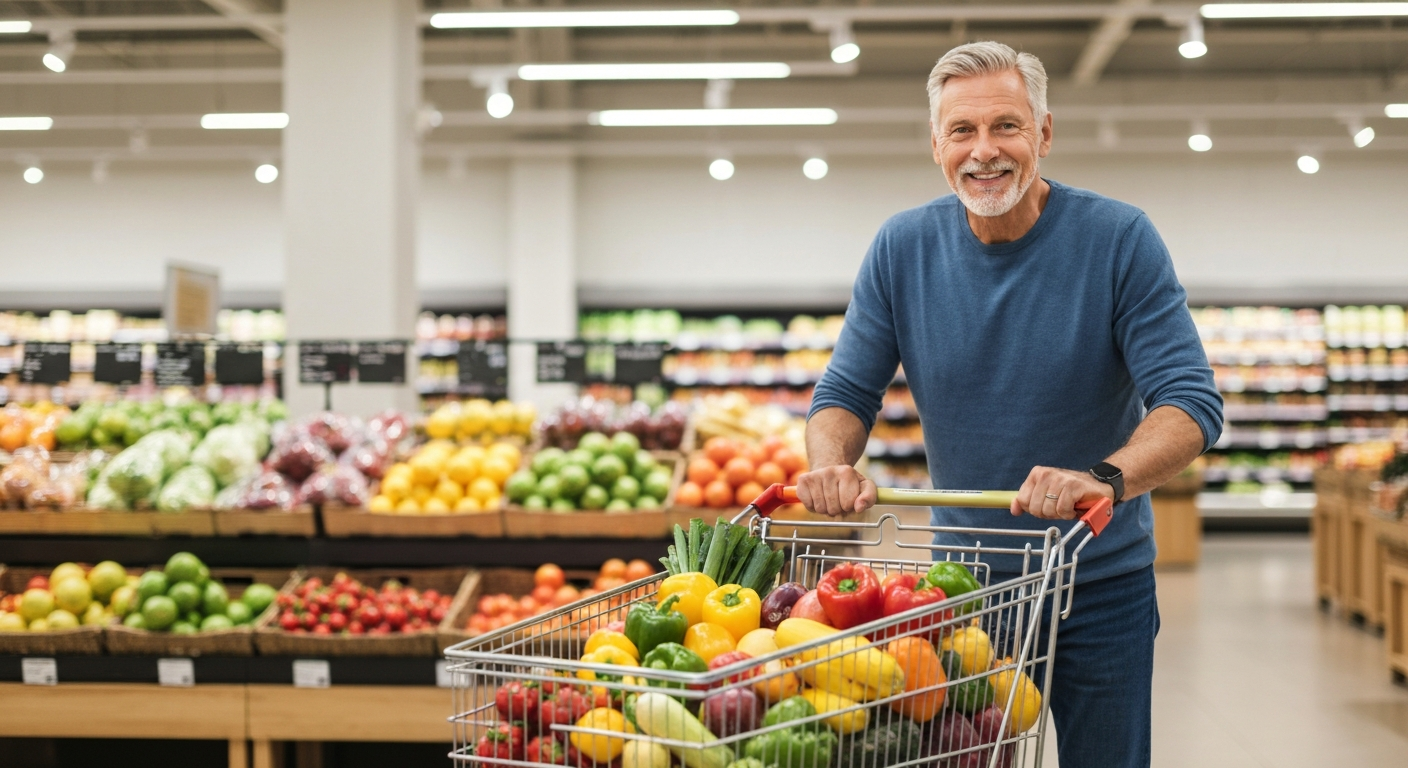
Supermarkets are designed to keep you inside the center aisles, where highly processed, shelf-stable, and profitable foods live. A heart-healthy shopping trip should spend 80% of its time on the perimeter.
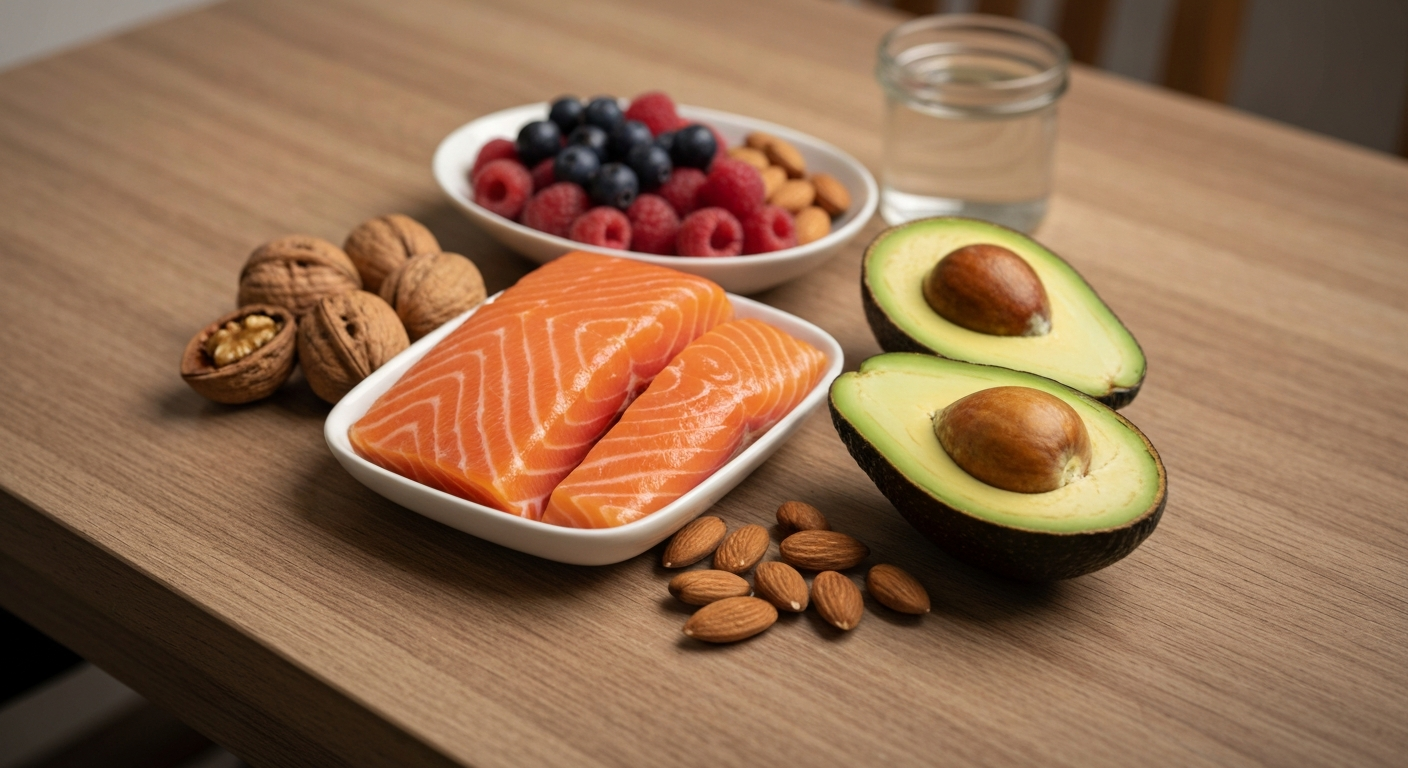
Start in the produce section, aiming for a rainbow of colors. Move to the seafood and lean meat counters, prioritizing fish rich in omega-3s (like salmon) and skinless poultry. In the dairy section, look for low-fat or fat-free options and plain yogurts. Only venture into the center aisles for specific staples like oats, canned beans, olive oil, and whole grains.
Myth vs. Fact
Myth: Eating healthy is too expensive, especially on a fixed income.
Fact: While some fresh items are pricey, staples of a heart-healthy diet—like dried beans, lentils, oats, brown rice, and frozen vegetables—are among the most affordable foods in the grocery store.
Expert Tip
From the Dietitian
Beware of the 'Health Halo'. Just because a box says 'Gluten-Free', 'Organic', or 'Vegan' does not mean it is heart-healthy. Many of these products are still loaded with sodium, saturated fat, and refined sugars.
| Aisle | Heart-Healthy Choices | Items to Avoid/Limit |
|---|---|---|
| Produce | Leafy greens, berries, apples, broccoli, avocados | Pre-made salads with heavy, creamy dressings |
| Meat & Seafood | Salmon, sardines, skinless chicken breast, ground turkey | Bacon, sausage, hot dogs, heavily marbled beef |
| Dairy | Greek yogurt (plain), low-fat milk, fortified almond milk | Full-fat cheese, butter, sweetened yogurts |
| Canned Goods | No-salt-added beans, diced tomatoes, tuna in water | Regular canned soups, baked beans with pork |
| Grains | Oats, quinoa, brown rice, 100% whole wheat bread | White bread, sugary cereals, instant flavored oatmeal |
| Fats & Oils | Extra virgin olive oil, avocado oil, unsalted nuts | Coconut oil, palm oil, margarine with trans fats |
Common Mistakes to Avoid
- Shopping Hungry: This almost guarantees you will buy high-calorie, highly processed snack foods.
- Ignoring Serving Sizes: A can of soup might look healthy until you realize the sodium listed is for half a cup, and you normally eat the whole can.
- Buying Seasoned Frozen Veggies: Plain frozen broccoli is great; broccoli frozen in a cheese or butter sauce is terrible for your heart.
- Falling for 'Multigrain': 'Multigrain' or 'Wheat' bread is often just white bread with caramel coloring. Look for the word '100% Whole' as the first ingredient.
- Buying Canned Fruit in Syrup: Always choose fruit canned in water or its own 100% juice to avoid massive amounts of added sugar.
The Bottom Line
A heart-healthy diet is built one grocery trip at a time. By sticking to the perimeter, reading labels carefully, and prioritizing whole, unprocessed foods, you build a powerful defense against heart disease.
Frequently Asked Questions
Is it better to buy fresh or frozen vegetables?
Both are excellent. Frozen vegetables are picked at peak ripeness and flash-frozen, locking in nutrients. They are often more affordable and result in less food waste for smaller households.
What should I look for on a bread label?
The first ingredient must say '100% Whole Wheat' or '100% Whole Grain'. Look for at least 3 grams of fiber per slice and less than 150mg of sodium.
Are deli meats okay if I buy the low-sodium turkey?
Even 'low-sodium' deli meats are highly processed and contain preservatives like nitrates. It's much better to roast a chicken or turkey breast at home and slice it yourself.
How do I choose a healthy cereal?
Look for cereals with at least 5 grams of fiber and less than 5 grams of added sugar per serving. Plain oatmeal (not the flavored packets) is usually the best choice.
Is canned tuna good for my heart?
Yes, tuna is a good source of lean protein and omega-3s. Choose 'chunk light' tuna packed in water (rather than oil) to save calories, and limit albacore due to higher mercury levels.
What is a healthy snack I can buy?
Unsalted nuts (almonds, walnuts), fresh fruit, hummus with baby carrots, or plain Greek yogurt with berries are all excellent, heart-healthy snacks.
Sources & References
- American Heart Association. (2023). Grocery Shopping Tips.
- Mayo Clinic. (2022). Heart-healthy diet: 8 steps to prevent heart disease.
- Cleveland Clinic. (2023). How to Grocery Shop for a Heart-Healthy Diet.
Table of Contents
Join Our Newsletter
Get weekly health tips delivered to your inbox.
HealthyLivingAfter60 Editorial Team
Our editorial team creates evidence-based educational content focused on healthy aging, nutrition, exercise, chronic disease prevention, and wellness for adults over 60. Content is reviewed for accuracy and supported by trusted medical sources.
Read our Editorial PolicyRelated Articles

How to Prevent Heart Disease After 60: 2026 Guide
4 min read