Foods That Help Lower Cholesterol After 60
HealthyLivingAfter60 Editorial Team
Reviewed by the HealthyLivingAfter60 Editorial Team
Key Takeaways
- ✅ Soluble Fiber is the Sponge: Foods like oats, beans, and lentils contain soluble fiber that binds to cholesterol in the digestive tract and removes it from the body.
- ✅ Fats That Heal: The monounsaturated and polyunsaturated fats found in fatty fish, nuts, and olive oil actively lower LDL and raise protective HDL cholesterol.
- ✅ Plant Sterols Block Absorption: Naturally occurring compounds in fruits, vegetables, and nuts block the body from absorbing cholesterol.
- ✅ Consistency is Key: Adding these foods to your diet occasionally won't move the needle; they need to become daily dietary habits for lasting cardiovascular benefits.
When you are told you have high cholesterol, the first instinct is often to focus on what you need to cut out of your diet. However, for adults over 60, what you add to your plate is just as powerful as what you take away. Certain foods actively lower your cholesterol by binding to it in the digestive system or blocking its absorption.
This guide explores the most effective, science-backed foods that help lower LDL (bad) cholesterol. We will explain how soluble fiber, healthy fats, and plant sterols work as natural medicine for your arteries, and provide a practical one-day meal plan to help you incorporate these foods seamlessly into your daily routine.
Amount of soluble fiber needed daily to significantly lower LDL cholesterol.
Recommended number of fatty fish servings per week for optimal heart health.
Potential reduction in LDL cholesterol from eating a heart-healthy diet rich in these foods.
What Is Cholesterol and Why It Changes After 60
Cholesterol is a waxy substance produced by your liver, essential for building cells and making hormones. However, there are two main types: HDL (good) cholesterol, which clears plaque from arteries, and LDL (bad) cholesterol, which can build up and cause blockages.
As we age, our metabolism slows down, and the liver becomes less efficient at removing LDL cholesterol from the blood. Hormonal changes, particularly after menopause in women, also contribute to rising LDL levels. This makes diet an increasingly critical tool for managing cholesterol after age 60.
Myth vs. Fact
Myth: Eating eggs will drastically raise my cholesterol.
Fact: For most people, the dietary cholesterol found in eggs has a minimal impact on blood cholesterol compared to saturated and trans fats. Eating up to one whole egg a day is generally safe and healthy for adults over 60.
Best Foods That Help Lower Cholesterol
1. Oats and Barley
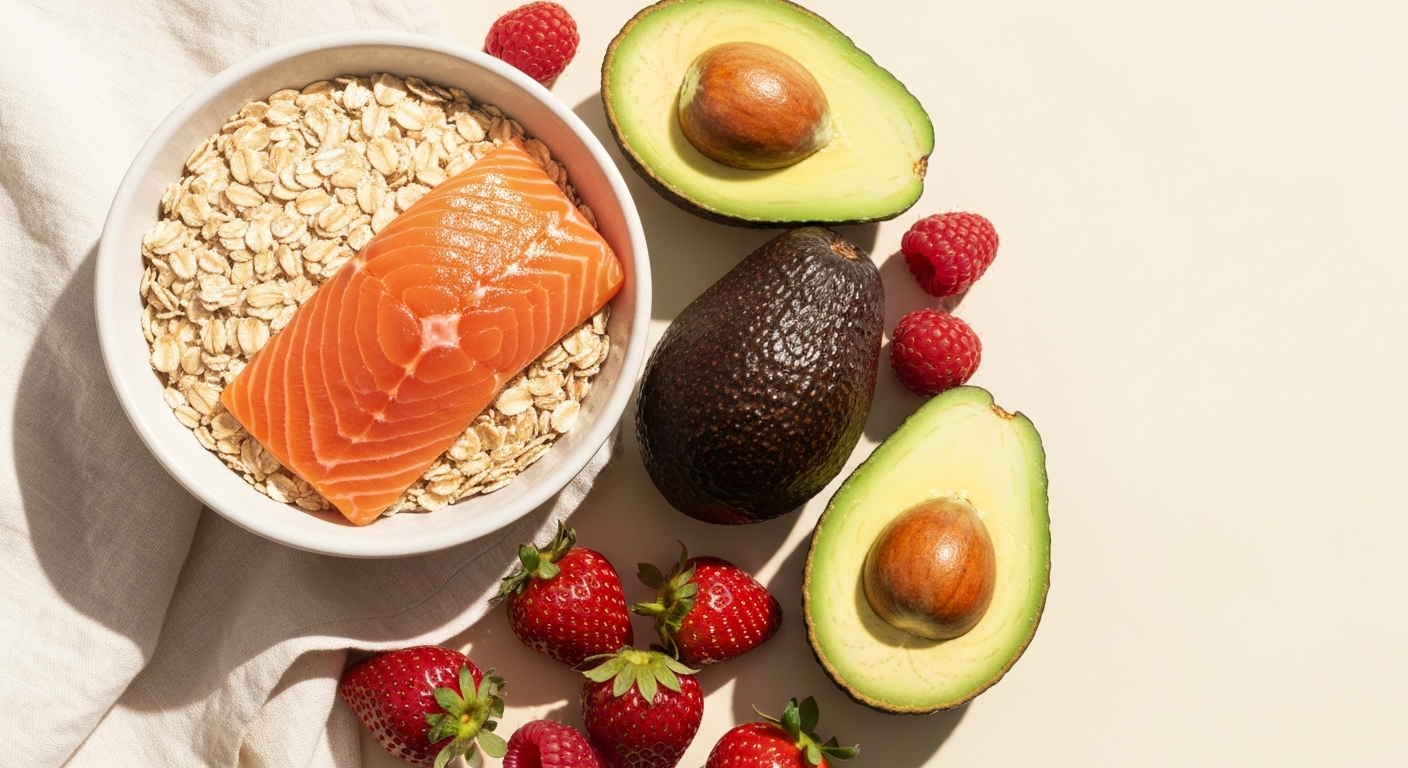
Oats and barley are rich in a specific type of soluble fiber called beta-glucan. Beta-glucan acts like a sponge in the digestive tract, binding to cholesterol-rich bile acids and carrying them out of the body before they can enter the bloodstream.
2. Beans and Lentils
Legumes are incredibly rich in soluble fiber and take a long time for the body to digest, meaning you feel full longer. From kidney beans to lentils and chickpeas, they are a versatile and affordable way to lower LDL.
3. Fatty Fish
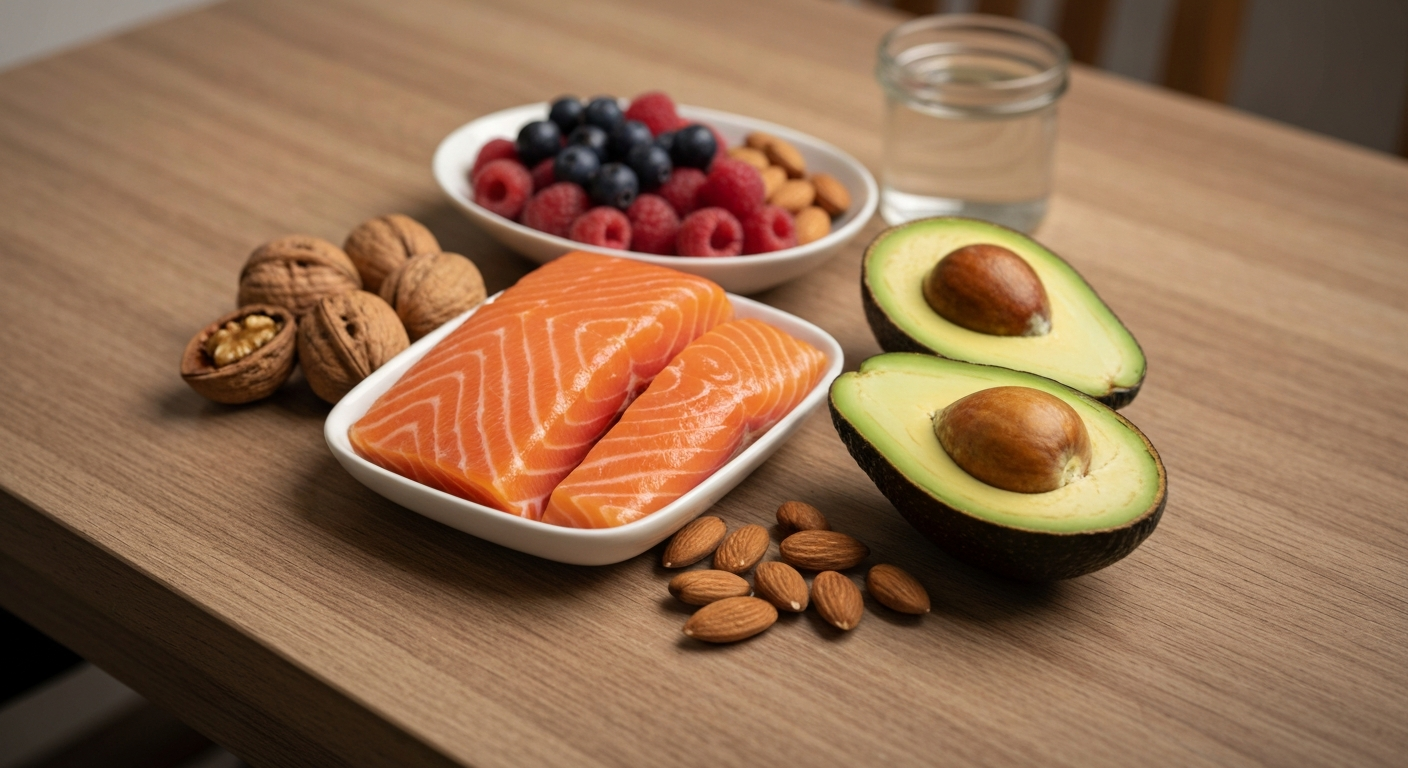
Eating fatty fish like salmon, mackerel, and sardines two or three times a week lowers LDL by replacing meat (which has saturated fat) and delivering omega-3 fatty acids. Omega-3s lower triglycerides and protect the heart from abnormal rhythms.
4. Nuts
Almonds, walnuts, and other tree nuts are packed with monounsaturated fats, fiber, and plant sterols. Eating just two ounces of nuts a day can slightly lower LDL while protecting the heart in other ways.
5. Olive Oil and Avocados
Both are rich in heart-healthy monounsaturated fats. Swapping saturated fats (like butter) for olive oil or avocado helps lower LDL cholesterol without affecting the good HDL cholesterol.
6. Fruits Rich in Soluble Fiber
Apples, grapes, strawberries, and citrus fruits are rich in pectin, a type of soluble fiber that lowers LDL.
7. Vegetables and Whole Grains
Eggplant and okra are excellent low-calorie sources of soluble fiber. Whole grains provide a broader range of nutrients and fiber compared to refined grains.
| Meal | Sample One-Day Heart-Healthy Meal Plan |
|---|---|
| Breakfast | 1 cup cooked oatmeal with a handful of walnuts and fresh berries |
| Lunch | Large mixed green salad with chickpeas, cherry tomatoes, and an olive oil vinaigrette |
| Snack | An apple and a small handful of almonds |
| Dinner | Baked salmon (4 oz), roasted Brussels sprouts, and a side of quinoa |
Expert Tip
From the Dietitian
Don't try to overhaul your diet overnight. Start by making one simple swap a day, such as replacing your morning cereal with oatmeal or using olive oil instead of butter. Small, consistent changes are much more sustainable and effective in the long run.
Foods to Limit
While adding cholesterol-lowering foods is crucial, you must also limit foods that cause your liver to produce excess LDL. Saturated fats (found in red meat, full-fat dairy, and butter) and trans fats (found in some fried and processed foods) are the primary dietary drivers of high cholesterol. Additionally, refined carbohydrates and added sugars can lower your good HDL cholesterol and raise triglycerides.
The Bottom Line
Lowering cholesterol isn't just about restriction; it's about abundance. By filling your plate with soluble fiber, healthy fats, and plant-based proteins, you can actively lower your LDL cholesterol and protect your cardiovascular health.
Frequently Asked Questions
How quickly can diet lower my cholesterol?
With strict dietary changes, you can see improvements in your lipid panel in as little as 4 to 6 weeks. However, it takes consistency to maintain those lower numbers.
Are cholesterol-lowering supplements like red yeast rice safe?
Red yeast rice contains the same active ingredient as some statin drugs, but the amount varies widely by brand, and it can interact with other medications. Always consult your doctor before taking it.
Is coconut oil good for my cholesterol?
No. Coconut oil is extremely high in saturated fat and has been shown to raise LDL (bad) cholesterol levels. Olive oil and avocado oil are much better choices for heart health.
Do I still need a statin if I eat a perfect diet?
Diet plays a significant role, but genetics also heavily influence cholesterol levels. If your liver naturally produces too much cholesterol, you may still need medication despite a healthy diet. Diet and medication work best together.
How much fiber do I need?
Aim for 25 to 30 grams of total dietary fiber a day, with at least 5 to 10 grams coming from soluble fiber (like oats and beans).
Can drinking alcohol affect my cholesterol?
Moderate alcohol consumption may slightly raise HDL (good) cholesterol, but excessive drinking raises triglycerides and blood pressure. The AHA does not recommend starting to drink alcohol for heart benefits.
Sources & References
- American Heart Association. (2023). Prevention and Treatment of High Cholesterol (Hyperlipidemia).
- National Institutes of Health (NIH). (2022). High Blood Cholesterol: What You Need to Know.
- Mayo Clinic. (2023). Cholesterol: Top foods to improve your numbers.
Table of Contents
Join Our Newsletter
Get weekly health tips delivered to your inbox.
HealthyLivingAfter60 Editorial Team
Our editorial team creates evidence-based educational content focused on healthy aging, nutrition, exercise, chronic disease prevention, and wellness for adults over 60. Content is reviewed for accuracy and supported by trusted medical sources.
Related Articles