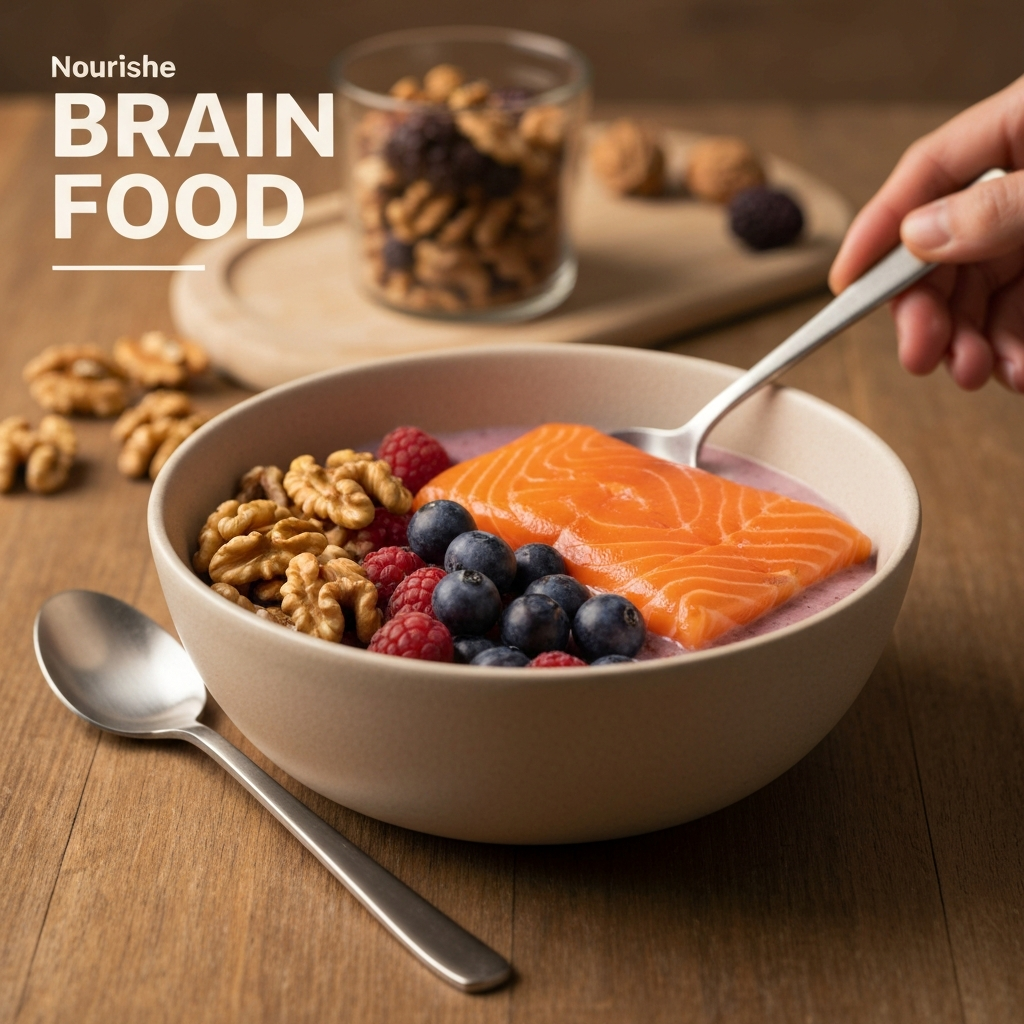
Omega-3 and Brain Function
HealthyLivingAfter60 Editorial Team
Reviewed by the HealthyLivingAfter60 Editorial Team
Key Takeaways
- ✅ DHA is Crucial: Docosahexaenoic acid (DHA) is the most abundant Omega-3 in the brain and is vital for cell structure and communication.
- ✅ Anti-Inflammatory Power: Omega-3s help reduce inflammation in the brain, which is linked to cognitive decline and Alzheimer's disease.
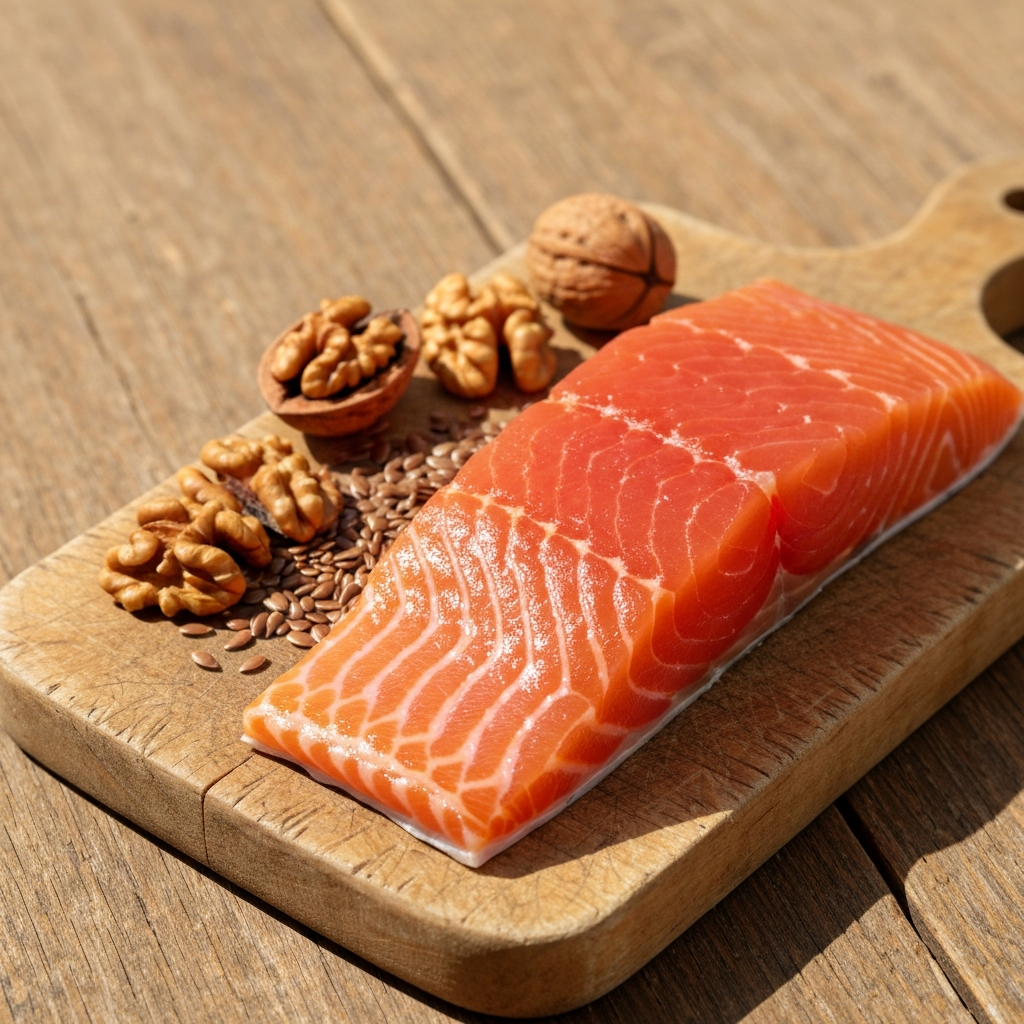
- ✅ Food First: Fatty fish like salmon, sardines, and mackerel are the best sources of bioavailable DHA and EPA.
- ✅ Plant Sources Differ: Plant-based Omega-3s (ALA) must be converted to DHA/EPA in the body, an inefficient process.
The human brain is nearly 60% fat, and a significant portion of that fat is made up of Omega-3 fatty acids, specifically DHA. These essential fats are literal building blocks for brain cells, critical for maintaining cognitive function, memory, and mood as we age.
Since our bodies cannot produce Omega-3s efficiently, we must obtain them through diet. This guide explores the science behind Omega-3s and brain health, detailing the best food sources, the role of supplements, and how to ensure you are getting enough to protect your mind.
Recommended weekly intake of fatty fish for brain health.
Of the brain is composed of fat, heavily reliant on Omega-3s.
High Omega-3 intake is associated with a lower risk of dementia.
How Omega-3s Protect the Brain
Omega-3 fatty acids, particularly DHA and EPA, play multiple roles in the brain. They are incorporated into cell membranes, keeping them fluid and facilitating communication between neurons. They also promote the growth of new brain cells and support neuroplasticity.
Furthermore, EPA has potent anti-inflammatory properties. Chronic inflammation is a known driver of neurodegenerative diseases, making Omega-3s a vital component of a brain-protective diet.
Myth vs. Fact
Myth: Flaxseeds and chia seeds provide all the Omega-3s my brain needs.
Fact: Plant seeds provide ALA, which the body must convert to DHA. This conversion is very inefficient. Direct sources of DHA (fish or algae) are much better for the brain.
Expert Tip
From the Dietitian
When choosing a fish oil supplement, read the label carefully. Look at the amount of EPA and DHA per serving, not just the total 'fish oil' content. You generally want a combined total of at least 500-1000mg daily.
| Source | Type of Omega-3 | Brain Benefit Rating |
|---|---|---|
| Salmon, Sardines, Mackerel | DHA & EPA (High concentration) | Excellent - Direct fuel for the brain |
| Algae Oil Supplements | DHA & EPA | Excellent - Best vegan alternative to fish |
| Walnuts, Chia Seeds, Flaxseeds | ALA | Moderate - Healthy, but inefficient conversion to DHA |
| Grass-Fed Beef/Eggs | Small amounts of DHA/EPA | Low - Not enough to meet brain health needs alone |
Common Mistakes to Avoid
- Relying Only on Plant Sources: Walnuts and flaxseeds contain ALA, but only a tiny fraction (often less than 5%) converts to the DHA your brain needs.
- Frying Your Fish: Deep-frying destroys healthy fats and introduces unhealthy trans fats. Bake, grill, or poach instead.
- Ignoring Heavy Metals: Choose smaller, low-mercury fish like sardines, anchovies, and wild-caught salmon over large predatory fish like swordfish.
- Taking Supplements Without Consulting a Doctor: High doses of fish oil can thin the blood, which is risky if you take blood thinners.
- Assuming All Supplements are Equal: Choose supplements that are third-party tested for purity and potency.
The Bottom Line
Ensuring adequate intake of DHA and EPA Omega-3 fatty acids is non-negotiable for optimal brain health. Prioritize eating fatty fish twice a week, and discuss high-quality supplementation with your doctor if you cannot meet this goal through diet.
Frequently Asked Questions
Can Omega-3s cure Alzheimer's?
No. While they may help prevent or slow cognitive decline in early stages, there is no evidence they can cure advanced Alzheimer's disease.
What if I hate eating fish?
You can take a high-quality fish oil supplement or a vegan algae-based DHA/EPA supplement.
Is krill oil better than fish oil?
Krill oil contains Omega-3s in a phospholipid form, which some studies suggest may be more easily absorbed by the brain, but high-quality fish oil is also highly effective.
Can Omega-3s help with depression?
Yes, research indicates that EPA, in particular, can help regulate mood and may be beneficial as an adjunct treatment for depression.
How much fish oil is safe to take?
Generally, up to 2,000-3,000mg of combined EPA and DHA per day is considered safe, but always consult your doctor, especially if you are on medication.
Does cooking destroy Omega-3s?
Light cooking (baking, steaming) preserves most Omega-3s. High-heat frying damages them.
Sources & References
- National Institutes of Health. (2022). Omega-3 Fatty Acids - Fact Sheet for Health Professionals.
- Alzheimer's Association. (2023). Diet and Cognitive Health.
- Harvard T.H. Chan School of Public Health. (2021). Omega-3 Fatty Acids: An Essential Contribution.
Table of Contents
Join Our Newsletter
Get weekly health tips delivered to your inbox.
HealthyLivingAfter60 Editorial Team
Our editorial team creates evidence-based educational content focused on healthy aging, nutrition, exercise, chronic disease prevention, and wellness for adults over 60. Content is reviewed for accuracy and supported by trusted medical sources.
Read our Editorial Policy