Waist Circumference and Health Risks
HealthyLivingAfter60 Editorial Team
Reviewed by the HealthyLivingAfter60 Editorial Team
Key Takeaways
- ✅ Location Matters: Fat stored around the hips and thighs (subcutaneous) is relatively benign; fat stored deep in the belly (visceral) is highly toxic.
- ✅ The Danger of Visceral Fat: It actively secretes inflammatory chemicals that drive insulin resistance, heart disease, and certain cancers.
- ✅ The Tape Measure Test: A simple waist measurement is a better predictor of heart attack risk than BMI or total body weight.
- ✅ Highly Responsive: Fortunately, visceral fat is the first type of fat to burn off when you improve your diet and begin exercising.
If you only use a bathroom scale to monitor your health, you are missing the most critical piece of the metabolic puzzle. For adults over 60, where your body stores fat is far more important than how much total fat you have. A growing waistline is not just a cosmetic concern; it is a blaring alarm for impending cardiovascular and metabolic disease.
This guide explains why visceral fat—the deep belly fat that expands your waistline—is so dangerous, how to measure your waist correctly, and the specific lifestyle changes required to target and reduce this hazardous tissue.
High-risk waist circumference threshold (inches) for women and men, respectively.
Percentage of total body fat that is typically visceral, though this increases with age.
Increased risk of developing Type 2 Diabetes for individuals with high visceral fat.
The Biology of Belly Fat
Not all fat is created equal. Subcutaneous fat is the soft, pinchable fat just under the skin. Visceral fat lies deep within the abdominal cavity, packing itself tightly around vital organs like the liver, pancreas, and intestines. This fat is biologically active. It acts like an endocrine organ, constantly pumping out inflammatory cytokines and free fatty acids directly into the portal vein leading to the liver. This process severely disrupts cholesterol production and causes profound insulin resistance, laying the groundwork for metabolic syndrome.
Myth vs. Fact
Myth: A hard, protruding belly is just a natural sign of aging.
Fact: A hard belly is actually a sign of severe visceral fat accumulation (the fat is packed tightly under the muscle wall). It is highly dangerous and indicates significant metabolic dysfunction, not just normal aging.
Expert Tip
From the Cardiologist
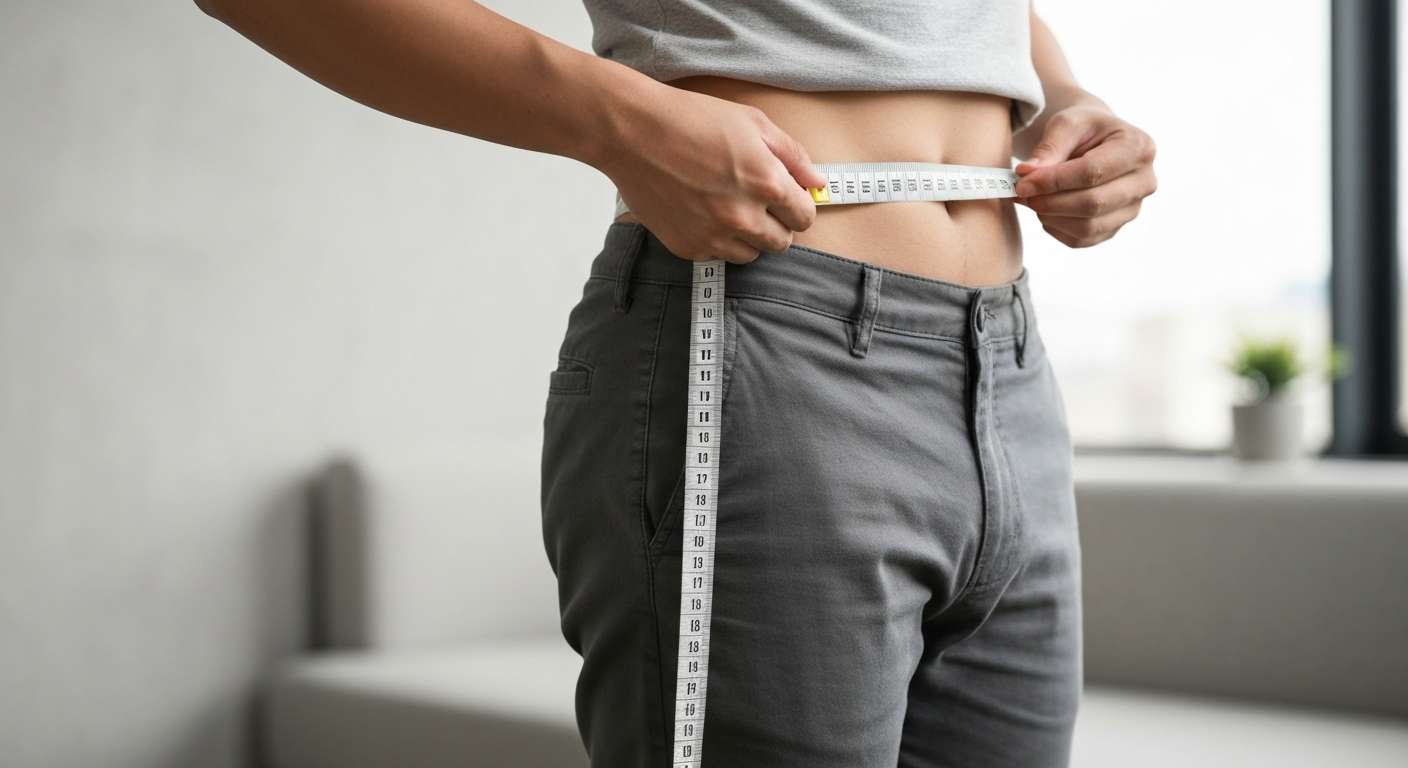
Do not suck in your stomach when measuring! To get an accurate reading, stand up straight, exhale normally, and wrap the tape measure horizontally around your waist, just above your hip bones (usually right at the belly button). Do this once a month to track your true metabolic progress.
| Risk Level | Women's Waist Circumference | Men's Waist Circumference | Action Required |
|---|---|---|---|
| Low Risk | Under 31.5 inches | Under 37 inches | Maintain healthy lifestyle |
| Increased Risk | 31.5 to 34.9 inches | 37 to 39.9 inches | Begin lifestyle interventions to prevent further gain |
| High Risk | 35 inches or more | 40 inches or more | Aggressive lifestyle changes; consult physician |
Common Mistakes to Avoid
- Doing Endless Crunches: You cannot 'spot reduce' belly fat. Sit-ups strengthen the muscle underneath, but do nothing to burn the visceral fat on top.
- Ignoring Alcohol Intake: Alcohol is strongly associated with visceral fat accumulation (hence the term 'beer belly'), as the liver prioritizes processing alcohol over burning fat.
- Relying on BMI: Assuming you are healthy because your BMI is 'Normal,' even though you have a large protruding abdomen (Normal Weight Obesity).
- Chronic Stress: Ignoring high stress levels; cortisol specifically directs the body to store fat in the visceral abdominal region.
- Eating Trans Fats: Processed foods containing trans fats have been shown to redistribute fat from other parts of the body specifically to the belly.
The Bottom Line
Your waist circumference is a vital sign. By adopting a diet low in refined sugars, engaging in regular aerobic exercise, and managing stress, you can rapidly reduce visceral fat and drastically lower your risk of chronic disease.
Frequently Asked Questions
Why did my waist suddenly expand after menopause?
The drop in estrogen causes a dramatic shift in fat storage. Fat that previously went to the hips and thighs is redirected to the abdomen. This requires a proactive shift in diet and exercise to manage.
What is the best exercise for losing belly fat?
A combination of moderate-to-vigorous aerobic exercise (like brisk walking or cycling) to burn calories, paired with full-body strength training to improve insulin sensitivity.
Are there specific foods that burn belly fat?
No food 'burns' fat. However, a diet high in soluble fiber (beans, oats, vegetables) and lean protein naturally reduces insulin spikes, which prevents further visceral fat storage.
Is liposuction a cure for visceral fat?
No. Liposuction only removes subcutaneous fat (under the skin). It cannot reach visceral fat, which is deep inside the abdominal cavity around the organs. Only diet and exercise can reduce visceral fat.
What is the Waist-to-Hip Ratio?
It is another measurement of risk. You divide your waist measurement by your hip measurement. A ratio above 0.85 for women or 0.90 for men indicates a high risk of metabolic disease.
Does poor sleep cause belly fat?
Yes. Chronic sleep deprivation elevates cortisol and insulin resistance, creating an ideal hormonal environment for visceral fat accumulation.
Sources & References
- American Heart Association. (2021). Waist Size Matters.
- Harvard T.H. Chan School of Public Health. (2022). Abdominal Obesity and Your Health.
- National Institutes of Health. (2023). Assessing Your Weight and Health Risk.
Table of Contents
Join Our Newsletter
Get weekly health tips delivered to your inbox.
HealthyLivingAfter60 Editorial Team
Our editorial team creates evidence-based educational content focused on healthy aging, nutrition, exercise, chronic disease prevention, and wellness for adults over 60. Content is reviewed for accuracy and supported by trusted medical sources.
Read our Editorial PolicyRelated Articles
Why Weight Loss is Different After 60
7 min read
How to Lose Weight Without Losing Muscle
6 min read