Intermittent Fasting for Adults Over 60
HealthyLivingAfter60 Editorial Team
Reviewed by the HealthyLivingAfter60 Editorial Team
Key Takeaways
- ✅ Not a Diet, but a Schedule: IF focuses on restricting the eating window, which often naturally reduces calorie intake.
- ✅ Potential Metabolic Benefits: Fasting can improve insulin sensitivity and promote cellular repair (autophagy).
- ✅ Muscle Loss Risk: Shorter eating windows make it difficult to consume adequate protein, increasing the risk of sarcopenia.
- ✅ Medical Supervision is Crucial: IF can be dangerous if you take medications for diabetes or blood pressure.
Intermittent fasting (IF) has gained immense popularity as a weight loss and longevity tool, but is it safe and effective for adults over 60? Unlike traditional diets that dictate what you eat, intermittent fasting focuses on when you eat, cycling between periods of eating and fasting.
This guide explores the science behind intermittent fasting for older adults, detailing potential benefits for insulin resistance and weight management, while highlighting critical safety precautions regarding medication timing, muscle loss, and hypoglycemia.
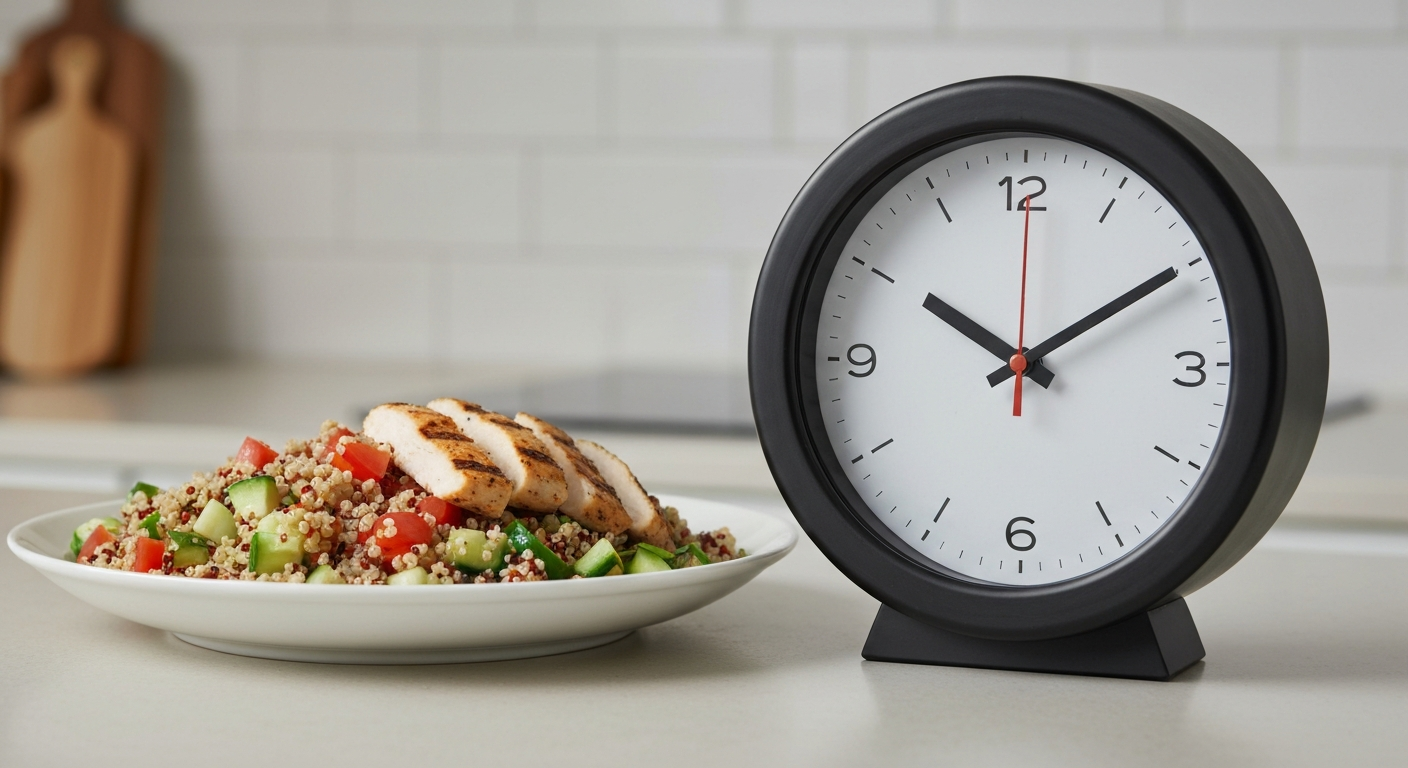
The most common fasting protocol (16 hours fasting, 8 hours eating).
Potential reduction in fasting blood sugar levels observed in IF studies.
Average weight loss over 3-24 weeks in successful IF trials.
How Intermittent Fasting Works
When you eat, your body releases insulin to store energy. When you fast, insulin levels drop, signaling the body to start burning stored energy (fat). Additionally, periods of fasting trigger a process called autophagy, where cells clear out damaged components—a mechanism linked to longevity. For weight loss, IF works primarily by creating a natural calorie deficit; it is simply harder to overeat when you only have an 8-hour window to consume food.
Myth vs. Fact
Myth: Fasting will slow down my metabolism and make me gain weight in the long run.
Fact: Short-term fasting actually increases metabolic rate slightly due to a rise in norepinephrine. However, if fasting leads to significant muscle loss, your long-term metabolism will decrease.
Expert Tip
From the Endocrinologist
If you want to try fasting, do not jump into a 16-hour fast. Start with a simple 12-hour overnight fast (e.g., 7 PM to 7 AM). This aligns with your natural circadian rhythm, improves sleep, and carries almost zero risk, while still providing metabolic benefits.
| Fasting Protocol | Description | Suitability for Seniors |
|---|---|---|
| 12:12 (Overnight Fast) | Fast for 12 hours (e.g., 7 PM to 7 AM) | Excellent starting point; highly recommended |
| 16:8 (Time-Restricted) | Fast for 16 hours, eat within 8 hours | Can be effective, but requires careful protein planning |
| 5:2 Diet | Eat normally 5 days, restrict to 500 calories 2 days | Not generally recommended due to frailty/dizziness risks |
| Alternate Day Fasting | Fast every other day | High risk of malnutrition and muscle loss; avoid |
| OMAD (One Meal A Day) | Eat all calories in one meal | Dangerous for seniors; impossible to absorb enough protein |
Common Mistakes to Avoid
- Bingeing During the Eating Window: IF is not an excuse to eat junk food. Nutrient density is still paramount.
- Ignoring Hydration: You must drink plenty of water (or black coffee/tea) during the fasting period to prevent dehydration.
- Failing to Get Enough Protein: A compressed eating window makes it hard to hit protein targets, accelerating muscle loss.
- Ignoring Medication Schedules: Taking certain medications on an empty stomach can cause severe nausea or dangerous drops in blood sugar.
- Pushing Through Dizziness: If you feel faint, dizzy, or extremely weak, break the fast immediately.
The Impact of Fasting on Sleep Quality
The timing of your fasting window can significantly affect your sleep. A common and highly recommended approach is to stop eating 3 to 4 hours before bedtime. Digesting a heavy meal requires energy and increases your core body temperature, both of which interfere with the deep, restorative stages of sleep. By implementing an early evening fasting window, your body can focus on cellular repair and hormone regulation overnight, rather than digestion. Many seniors find that adopting a 7 PM to 7 AM fasting schedule dramatically improves their sleep quality and morning energy levels.
Fasting and Cognitive Clarity
Many proponents of intermittent fasting report experiencing enhanced mental clarity and focus during the fasting period. From an evolutionary perspective, when food was scarce, the brain needed to be sharp and alert to find the next meal. Fasting mildly stresses the brain, which responds by producing more Brain-Derived Neurotrophic Factor (BDNF), a protein that supports neuron growth and resilience. Additionally, as insulin levels drop, the body may produce small amounts of ketones, which are a highly efficient and clean-burning fuel source for the brain.
Breaking the Fast Safely
How you break your fast is just as important as the fast itself. After a period of not eating, your digestive system is sensitive, and your insulin response is primed. Breaking a fast with a large, carbohydrate-heavy meal (like pancakes and syrup) will cause a massive spike in blood sugar, leading to a subsequent crash that leaves you lethargic. Instead, break your fast gently with a balanced meal rich in high-quality protein and healthy fats—such as eggs with avocado or Greek yogurt with nuts—to stabilize blood sugar and provide sustained energy.
The Bottom Line
Intermittent fasting can be a useful tool for weight management and metabolic health, but it is not for everyone. A gentle 12-to-14 hour overnight fast is generally safe and beneficial, while more extreme protocols carry significant risks for older adults.
Frequently Asked Questions
Is intermittent fasting safe if I have Type 2 Diabetes?
It can be highly effective for insulin resistance, but it is DANGEROUS to attempt if you are on medications like insulin or sulfonylureas without strict medical supervision due to the risk of hypoglycemia.
Will fasting cause me to lose muscle?
It can, if you do not consume adequate protein during your eating window or if you fail to do resistance training. This is the biggest risk for seniors.
What can I drink during the fasting period?
Water, black coffee, and plain tea are allowed. Adding sugar, milk, or cream will break the fast.
Can I take my supplements while fasting?
Some supplements (like fat-soluble vitamins A, D, E, K) need food for absorption. Others may cause stomach upset if taken empty. Discuss timing with your pharmacist.
Does fasting help with brain fog?
Many people report improved mental clarity during a fast, possibly due to the brain utilizing ketones for energy, though individual experiences vary.
Who should absolutely NOT try intermittent fasting?
Anyone with a history of eating disorders, those who are underweight or frail, individuals with advanced diabetes on complex medication regimens, and those prone to severe hypoglycemia.
Can fasting cause gallstones?
Rapid weight loss and prolonged fasting can increase the risk of gallstones because the gallbladder empties less frequently. This is another reason why gentle, shorter fasts (like 12 hours) are preferred over extreme protocols.
Does a splash of milk in my coffee break the fast?
Technically, yes, any calories break a fast. However, a tiny splash of milk (under 20-30 calories) will not significantly disrupt the metabolic benefits of the fast for most people.
Should I exercise while fasting?
Light to moderate exercise (like walking) in a fasted state is generally safe and may enhance fat burning. However, intense resistance training or heavy cardio is better performed after you have eaten to prevent muscle breakdown and dizziness.
Sources & References
- New England Journal of Medicine. (2019). Effects of Intermittent Fasting on Health, Aging, and Disease.
- National Institute on Aging. (2022). Calorie Restriction and Fasting Diets: What Do We Know?
- Harvard Health Publishing. (2023). Intermittent fasting: Surprising update.
Further Reading
Table of Contents
Join Our Newsletter
Get weekly health tips delivered to your inbox.
HealthyLivingAfter60 Editorial Team
Our editorial team creates evidence-based educational content focused on healthy aging, nutrition, exercise, chronic disease prevention, and wellness for adults over 60. Content is reviewed for accuracy and supported by trusted medical sources.
Read our Editorial PolicyRelated Articles
Why Weight Loss is Different After 60
6 min read
How to Lose Weight Without Losing Muscle
6 min read