How Hormones Affect Weight After 60
HealthyLivingAfter60 Editorial Team
Reviewed by the HealthyLivingAfter60 Editorial Team
Key Takeaways
- ✅ The Estrogen Effect: Menopause causes a shift in fat storage from the hips and thighs directly to the abdomen.
- ✅ Testosterone Decline: Lower testosterone in men reduces muscle mass, which in turn slows the metabolic rate.
- ✅ Insulin Resistance: Aging cells become less responsive to insulin, leading to increased fat storage and higher blood sugar.
- ✅ Cortisol's Impact: Chronic stress elevates cortisol, which actively promotes the accumulation of visceral belly fat.
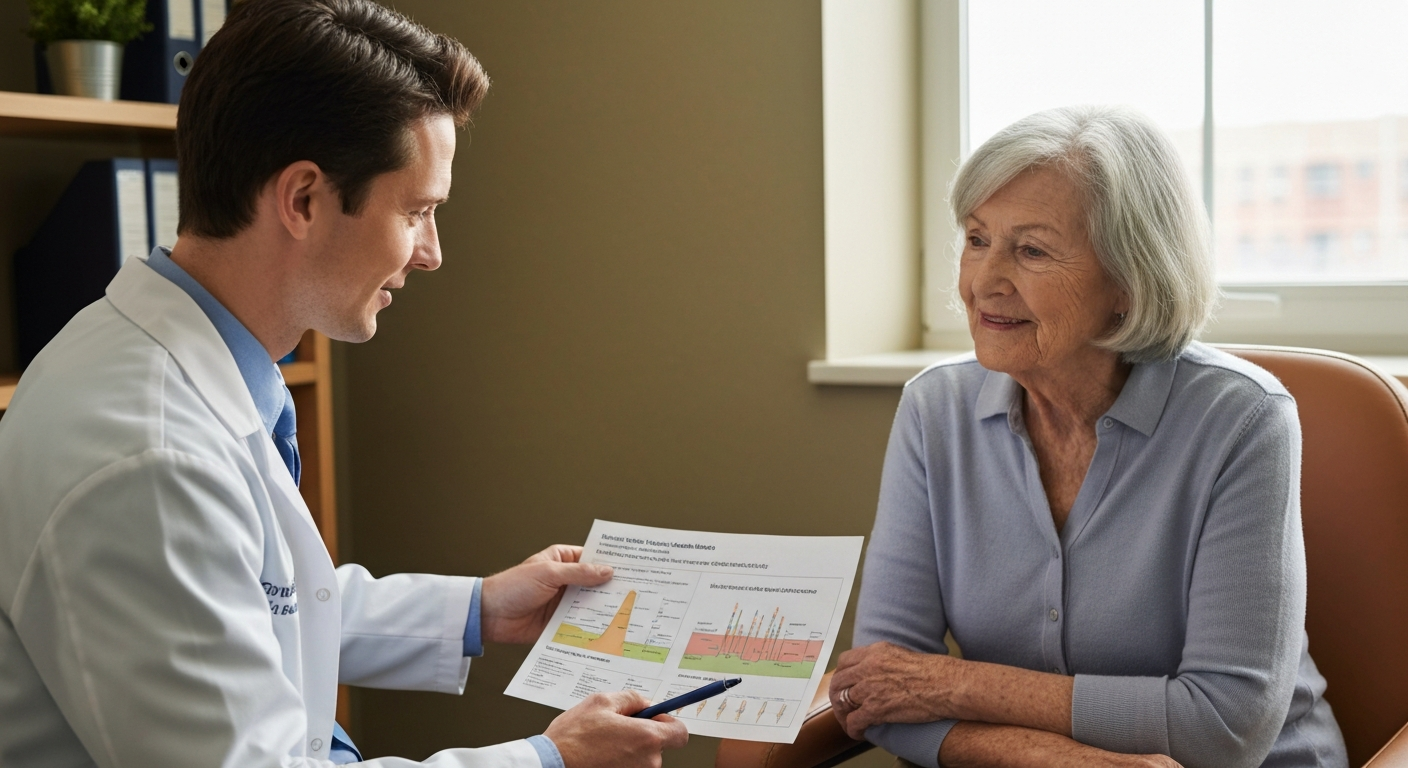
If you feel like your body is playing by a new set of rules after 60, you are entirely correct. The hormonal landscape shifts dramatically as we age, influencing not just how much weight we gain, but exactly where that weight is stored. Drops in estrogen, testosterone, and growth hormone, combined with changes in insulin and cortisol, create a perfect storm for abdominal weight gain.
This guide demystifies the complex relationship between aging hormones and weight, offering practical, evidence-based strategies to balance your endocrine system naturally and regain control over your body composition.
Annual decline in testosterone levels for men starting around age 40.
Average weight gain experienced by women during the menopausal transition.
Increased risk of insulin resistance in adults over 60 compared to younger adults.
The Big Shifts: Estrogen and Testosterone
For women, the drop in estrogen during and after menopause is the primary driver of body shape changes. Estrogen normally directs fat storage to the lower body (subcutaneous fat). When it drops, fat storage shifts to the midsection (visceral fat), which is more metabolically active and dangerous to heart health. For men, the gradual decline in testosterone leads to a loss of lean muscle mass. Since muscle burns more calories than fat, this loss directly lowers the basal metabolic rate, making weight gain easier even if calorie intake remains the same.
Myth vs. Fact
Myth: Hormone Replacement Therapy (HRT) is a guaranteed weight loss solution.
Fact: While HRT can help redistribute fat away from the abdomen and preserve muscle mass, it is not a magic weight-loss pill. It must be combined with a healthy diet and exercise, and it carries specific medical risks that must be discussed with a doctor.
Expert Tip
From the Endocrinologist
You cannot out-diet chronic stress. If your cortisol levels are constantly elevated due to poor sleep or daily anxiety, your body will fiercely hold onto abdominal fat regardless of how perfectly you eat. Prioritize stress management as a primary weight-loss tool.
| Hormone | What It Does | How It Changes After 60 | Lifestyle Management |
|---|---|---|---|
| Insulin | Regulates blood sugar and fat storage | Cells become more resistant | Reduce refined carbs, increase fiber, exercise |
| Cortisol | Stress response hormone | Often remains elevated longer | Prioritize sleep, meditation, gentle yoga |
| Estrogen | Regulates fat distribution in women | Drops significantly | Strength training, phytoestrogen-rich foods |
| Testosterone | Maintains muscle mass in men/women | Declines gradually | Heavy resistance training, adequate protein |
| Leptin/Ghrelin | Regulate hunger and fullness | Signals become blunted | Mindful eating, adequate sleep |
Common Mistakes to Avoid
- Ignoring Sleep: Poor sleep disrupts ghrelin (hunger) and leptin (fullness) hormones, leading to increased cravings.
- Over-Exercising: Excessive, high-intensity cardio can actually spike cortisol in older adults, hindering fat loss.
- Eating Naked Carbs: Consuming carbohydrates without protein or fat causes rapid insulin spikes, promoting fat storage.
- Assuming It's Inevitable: While hormonal shifts are natural, severe weight gain is not. Lifestyle factors play a massive role in managing the transition.
- Self-Prescribing Supplements: Over-the-counter 'hormone balancing' supplements are largely unregulated and can interact dangerously with medications.
The Bottom Line
You cannot stop the hormonal clock, but you can influence how your body responds to it. By managing insulin through diet, lowering cortisol through stress reduction, and preserving muscle through exercise, you can successfully manage your weight after 60.
Frequently Asked Questions
Why is belly fat so much harder to lose now?
Visceral fat (belly fat) is highly responsive to cortisol and insulin. As we age, insulin resistance often increases and cortisol levels can stay elevated, creating an environment that favors storing fat specifically in the midsection.
Can thyroid issues cause weight gain?
Yes. Hypothyroidism (underactive thyroid) is common in older adults and slows the metabolism significantly. If you have unexplained weight gain and fatigue, request a thyroid panel.
Do foods like soy help balance estrogen?
Soy contains phytoestrogens which can weakly mimic estrogen. Moderate consumption of whole soy foods (tofu, edamame) may offer mild benefits for menopausal symptoms, but won't drastically alter weight.
How does lack of sleep affect my hormones?
Just one night of poor sleep increases ghrelin (making you hungry) and decreases leptin (making you feel less full), while also increasing insulin resistance the next day.
Are there natural ways to boost testosterone?
Heavy resistance training, adequate sleep, maintaining a healthy weight, and ensuring sufficient intake of zinc and vitamin D can naturally support testosterone levels.
Should I ask my doctor for hormone testing?
If you are experiencing severe symptoms like extreme fatigue, rapid unexplained weight gain, or severe mood changes, a full endocrine panel is a reasonable request.
Sources & References
- Endocrine Society. (2023). Aging and the Endocrine System.
- Mayo Clinic. (2022). Menopause weight gain: Stop the middle age spread.
- National Institutes of Health. (2021). Insulin Resistance and Prediabetes.
Table of Contents
Join Our Newsletter
Get weekly health tips delivered to your inbox.
HealthyLivingAfter60 Editorial Team
Our editorial team creates evidence-based educational content focused on healthy aging, nutrition, exercise, chronic disease prevention, and wellness for adults over 60. Content is reviewed for accuracy and supported by trusted medical sources.
Read our Editorial PolicyRelated Articles
Why Weight Loss is Different After 60
8 min read
How to Lose Weight Without Losing Muscle
6 min read