Anti-Inflammatory Diet for Healthy Weight
HealthyLivingAfter60 Editorial Team
Reviewed by the HealthyLivingAfter60 Editorial Team
Key Takeaways
- ✅ Inflammation Blocks Fat Loss: Chronic inflammation causes insulin resistance, making it nearly impossible for your body to burn stored fat.
- ✅ Food as Medicine: Certain foods actively extinguish inflammation, while others throw gasoline on the fire.
- ✅ The Omega Balance: Increasing Omega-3s (fish, walnuts) while decreasing Omega-6s (vegetable oils) is crucial for reducing inflammation.
- ✅ Beyond the Scale: An anti-inflammatory diet not only aids weight loss but also dramatically reduces joint pain and brain fog.
If you've been struggling to lose weight despite eating less and moving more, the missing piece of the puzzle might be chronic inflammation. As we age, our bodies often develop a low-grade, systemic inflammation—sometimes called 'inflammaging.' This hidden fire disrupts metabolic hormones, increases insulin resistance, and signals the body to stubbornly hold onto fat.
This guide explains the profound connection between inflammation and weight gain, and provides a clear roadmap to adopting an anti-inflammatory diet that heals your metabolism from the inside out, making sustainable weight loss possible.
Increased risk of severe insulin resistance in individuals with high markers of chronic inflammation.
Daily serving of berries recommended to significantly boost antioxidant intake.
Amount of weight loss needed to measurably reduce systemic inflammatory markers.
The Vicious Cycle of Fat and Inflammation
Fat tissue—particularly visceral belly fat—is not just an inert storage depot; it is an active endocrine organ. Excess visceral fat secretes inflammatory chemicals called cytokines. These cytokines travel throughout the body, causing insulin resistance. When you are insulin resistant, your pancreas pumps out more insulin, which in turn tells your body to store MORE fat. It is a vicious cycle: fat causes inflammation, and inflammation causes more fat storage. To break the cycle, you must remove inflammatory triggers from your diet.
Myth vs. Fact
Myth: All fats cause inflammation and weight gain.
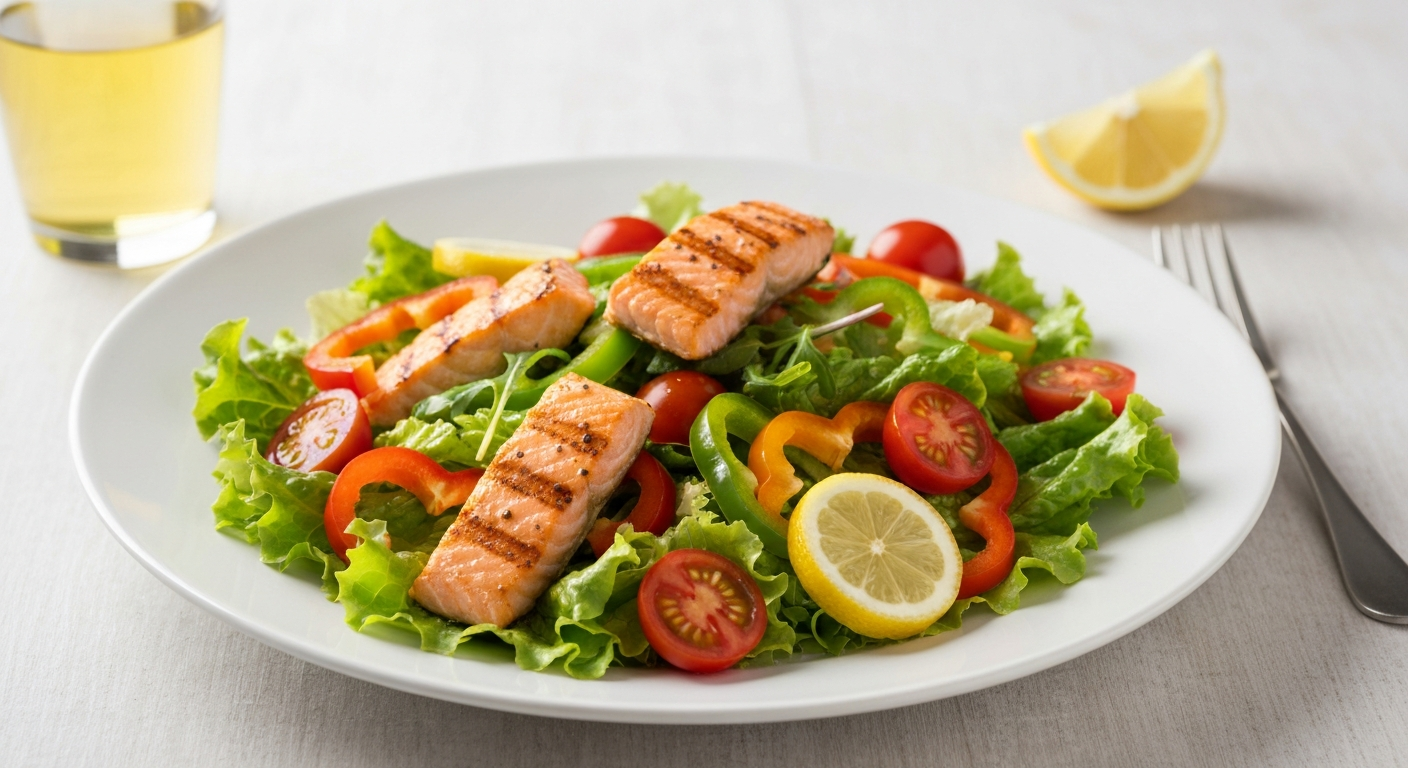
Fact: False. While trans fats and excess Omega-6 fats are inflammatory, Omega-3 fatty acids (found in salmon, chia seeds, and walnuts) and monounsaturated fats (in olive oil and avocados) are powerfully anti-inflammatory and essential for metabolic health.
Expert Tip
From the Dietitian
The easiest way to make your diet anti-inflammatory is to focus on color. The pigments that give blueberries their blue, spinach its green, and tomatoes their red are powerful antioxidants. Aim to eat at least three different colors of produce at every meal.
| Inflammatory Foods (Limit/Avoid) | Anti-Inflammatory Swaps (Eat More) |
|---|---|
| Refined Carbohydrates (White bread, pastries) | Whole Grains (Quinoa, oats, brown rice) |
| Processed Meats (Hot dogs, bacon, deli meat) | Fatty Fish (Salmon, sardines, mackerel) |
| Vegetable/Seed Oils (Corn, soybean, canola) | Extra Virgin Olive Oil, Avocado Oil |
| Sugary Drinks (Soda, sweetened tea) | Water, Green Tea, Black Coffee |
| Artificial Sweeteners | Natural sweetness from whole fruits (Berries, apples) |
Common Mistakes to Avoid
- Relying on Seed Oils: Cooking with highly processed oils (corn, soybean, sunflower) provides an excess of Omega-6 fatty acids, which drive inflammation.
- Consuming Hidden Sugars: Added sugars in yogurts, sauces, and bread cause rapid blood sugar spikes, a primary trigger for inflammation.
- Eating Charred Meats: Cooking meats at very high temperatures creates Advanced Glycation End products (AGEs), which are highly inflammatory.
- Ignoring Gut Health: A diet low in fiber harms the gut microbiome, leading to 'leaky gut' and systemic inflammation.
- Drinking Too Much Alcohol: While a little red wine has antioxidants, excessive alcohol is a toxin that inflames the liver and digestive tract.
The Bottom Line
If your metabolism feels stuck, inflammation is likely the culprit. By transitioning to a diet rich in whole foods, healthy fats, and antioxidants, you heal your metabolism, making weight loss a natural side effect of a healthier body.
Frequently Asked Questions
Is the Mediterranean diet an anti-inflammatory diet?
Yes, the Mediterranean diet is widely considered the gold standard of anti-inflammatory eating due to its emphasis on olive oil, fish, vegetables, and whole grains.
Do nightshade vegetables (tomatoes, peppers) cause inflammation?
For the vast majority of people, nightshades are highly nutritious and anti-inflammatory. Only a very small percentage of people with specific autoimmune sensitivities react negatively to them.
How quickly will I notice a difference?
Many people notice a reduction in joint pain, bloating, and brain fog within just 2 to 3 weeks of strict anti-inflammatory eating. Weight loss follows as insulin sensitivity improves.
Are spices anti-inflammatory?
Absolutely. Spices like turmeric (especially when paired with black pepper), ginger, cinnamon, and garlic are some of the most potent anti-inflammatory compounds available.
Does gluten cause inflammation?
If you have celiac disease or non-celiac gluten sensitivity, yes. For everyone else, whole grains containing gluten do not inherently cause inflammation and are part of a healthy diet.
Can I take an anti-inflammatory pill instead?
NSAIDs (like ibuprofen) temporarily block pain pathways but do not heal metabolic inflammation, and long-term use can damage the stomach and kidneys. Diet is the only safe, long-term solution.
Sources & References
- Harvard Medical School. (2023). Foods that fight inflammation.
- National Institutes of Health. (2021). Chronic Inflammation.
- Arthritis Foundation. (2022). The Ultimate Arthritis Diet.
Table of Contents
Join Our Newsletter
Get weekly health tips delivered to your inbox.
HealthyLivingAfter60 Editorial Team
Our editorial team creates evidence-based educational content focused on healthy aging, nutrition, exercise, chronic disease prevention, and wellness for adults over 60. Content is reviewed for accuracy and supported by trusted medical sources.
Read our Editorial PolicyRelated Articles
Why Weight Loss is Different After 60
7 min read
How to Lose Weight Without Losing Muscle
4 min read