Morning Blood Sugar Spikes: Causes and Solutions
HealthyLivingAfter60 Editorial Team
Reviewed by the HealthyLivingAfter60 Editorial Team
Key Takeaways
- ✅ The Dawn Phenomenon: A natural early-morning surge in hormones (cortisol, growth hormone) triggers the liver to release stored glucose.
- ✅ The Somogyi Effect: Rebound high blood sugar following an undetected low blood sugar episode during the night.
- ✅ Medication Timing: Evening basal insulin or oral medications may wear off before you wake up.
- ✅ Bedtime Snacks: Eating a high-protein, low-carb snack before bed can sometimes stabilize overnight levels.
Waking up to high blood sugar levels—even after a night of fasting—can be frustrating and confusing. For adults over 60, metabolic shifts and changes in medication sensitivity make morning spikes a frequent challenge.
In this guide, you will learn the exact biological causes behind high morning readings, how to identify your specific trigger, and actionable steps to wake up with numbers in your target range. Understanding this phenomenon is essential for preventing long-term complications and starting your day with stable energy.
Typical timeframe when the Dawn Phenomenon occurs.
Time to check blood sugar to rule out the Somogyi Effect.
General target for fasting morning blood sugar (mg/dL).
The Dawn Phenomenon Explained
Between 3:00 AM and 8:00 AM, your body naturally releases a surge of hormones, including cortisol, glucagon, and epinephrine, to help you wake up. These hormones signal your liver to dump stored glucose into your bloodstream to give you energy for the day.
In people without diabetes, the pancreas responds by releasing just enough insulin to keep blood sugar stable. In people with diabetes or severe insulin resistance, the pancreas cannot keep up, resulting in a high fasting glucose reading.
Myth vs. Fact
Myth: If my morning blood sugar is high, I should skip breakfast.
Fact: Skipping breakfast can actually make the Dawn Phenomenon worse. Eating a low-carb, high-protein breakfast signals your body to stop releasing fasting hormones and can help stabilize your blood sugar.
The Somogyi Effect (Rebound Hyperglycemia)
Named after the researcher who first described it, this occurs when your blood sugar drops too low in the middle of the night (often due to too much evening insulin or skipping dinner). In a panic, your body releases rescue hormones to raise your blood sugar, often overshooting the target and causing a high morning reading.
How to tell the difference: Set an alarm to check your blood sugar around 2:00 AM or 3:00 AM for a few nights. If it is low, you are likely experiencing the Somogyi Effect. If it is normal or high, it is likely the Dawn Phenomenon.
| Problem | Root Cause | Typical 3 AM Reading | Potential Solution |
|---|---|---|---|
| Dawn Phenomenon | Natural morning hormone surge | Normal or High | High-protein bedtime snack, morning exercise |
| Somogyi Effect | Rebound from nighttime low | Low (Below 70 mg/dL) | Adjust evening insulin, evaluate dinner timing |
| Waning Medication | Dose wears off too early | High | Discuss changing medication timing with doctor |
Expert Tip
From the Endocrinologist
If you suspect the Dawn Phenomenon, try a small, high-protein snack (like a slice of turkey or a handful of almonds) 30 minutes before bed. This gives your liver a steady supply of amino acids, which can sometimes signal it to stop dumping glucose in the early morning.
Common Mistakes to Avoid
- Skipping breakfast: Trying to "fix" the high reading by starving actually signals the liver to release even more glucose.
- Increasing evening insulin blindly: Doing this without checking 3 AM levels risks severe, life-threatening nighttime lows.
- Eating high-carb bedtime snacks: Cereal or toast before bed guarantees a spike.
- Ignoring the pattern: Assuming a high morning reading is just a fluke rather than a biological pattern.
Practical Examples
The Spike Scenario
Bedtime Snack: Bowl of cereal with milk.
Result: Rapid glucose spike at midnight, followed by a crash at 3 AM, triggering the liver's panic response (Somogyi Effect). Morning reading: 180 mg/dL.
The Stable Scenario
Bedtime Snack: Hard-boiled egg and 5 almonds.
Result: Stable overnight glucose, preventing the liver from dumping sugar. Morning reading: 110 mg/dL.
Medical Authority & Recommendations
Who should use this advice? Anyone experiencing fasting blood sugars consistently over 130 mg/dL.
Who should avoid it? Do not adjust insulin doses without a doctor's supervision.
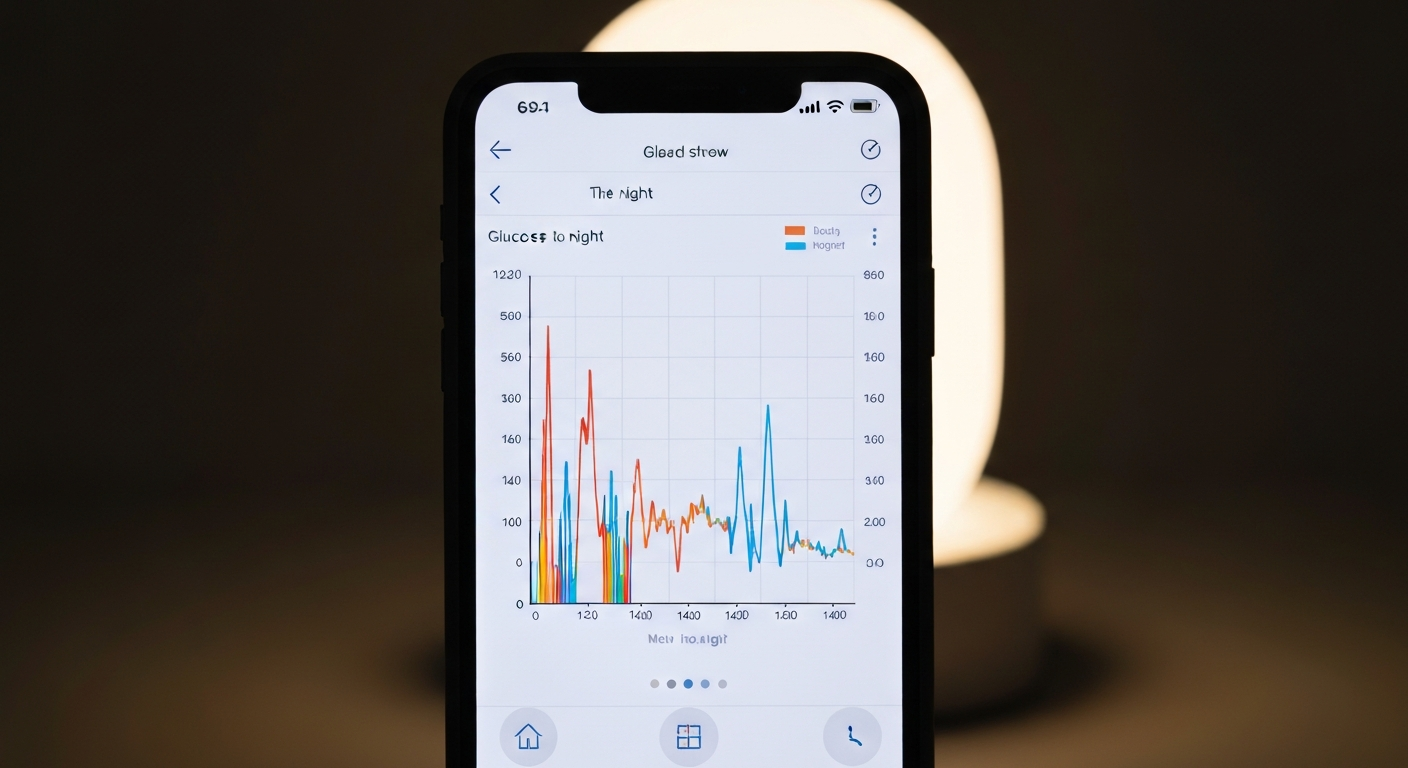
What current research shows: Continuous Glucose Monitors (CGMs) are now the gold standard for diagnosing overnight blood sugar patterns, replacing the need for 3 AM fingersticks for many patients.
When to Talk to Your Doctor
You should contact your endocrinologist or primary care doctor if:
- Your morning blood sugar is consistently above your target range.
- You discover your blood sugar is dropping below 70 mg/dL during the night.
- You are experiencing night sweats or waking up with headaches (signs of nighttime hypoglycemia).
The Bottom Line
Morning blood sugar spikes are a biological response, not a personal failure. By investigating your overnight patterns—either with a CGM or occasional 3 AM checks—you and your doctor can pinpoint the exact cause and adjust your treatment plan accordingly.
Frequently Asked Questions
What is a good bedtime snack to prevent morning spikes?
A snack combining protein and healthy fat with very few carbohydrates is best. Examples include a handful of almonds, a slice of cheese, or a spoonful of unsweetened peanut butter.
Does drinking apple cider vinegar before bed help?
Some small studies suggest that taking 1-2 tablespoons of apple cider vinegar (diluted in water) before bed may slightly lower fasting morning glucose, but it is not a replacement for medication.
Can a bad night's sleep cause a morning spike?
Yes. Poor sleep increases cortisol levels, which directly signals the liver to release more glucose into your bloodstream.
Why is my blood sugar higher when I wake up than when I went to bed?
This is the hallmark of the Dawn Phenomenon or Somogyi Effect. Your liver is actively adding sugar to your blood while you sleep.
Should I take insulin as soon as I wake up?
Only if prescribed by your doctor. Taking rapid-acting insulin immediately upon waking without food can cause a dangerous crash if not dosed correctly.
Can stress cause morning spikes?
Absolutely. Chronic stress elevates baseline cortisol, magnifying the natural morning hormone surge and resulting in higher fasting glucose levels.
Sources & References
- American Diabetes Association (ADA). (2023). The Dawn Phenomenon.
- Mayo Clinic. (2023). Dawn phenomenon: What can you do?
- National Institute of Diabetes and Digestive and Kidney Diseases (NIDDK). (2022). Managing Diabetes.
Table of Contents
Join Our Newsletter
Get weekly health tips delivered to your inbox.
HealthyLivingAfter60 Editorial Team
Our editorial team creates evidence-based educational content focused on healthy aging, nutrition, exercise, chronic disease prevention, and wellness for adults over 60. Content is reviewed for accuracy and supported by trusted medical sources.
Read our Editorial PolicyRelated Articles